


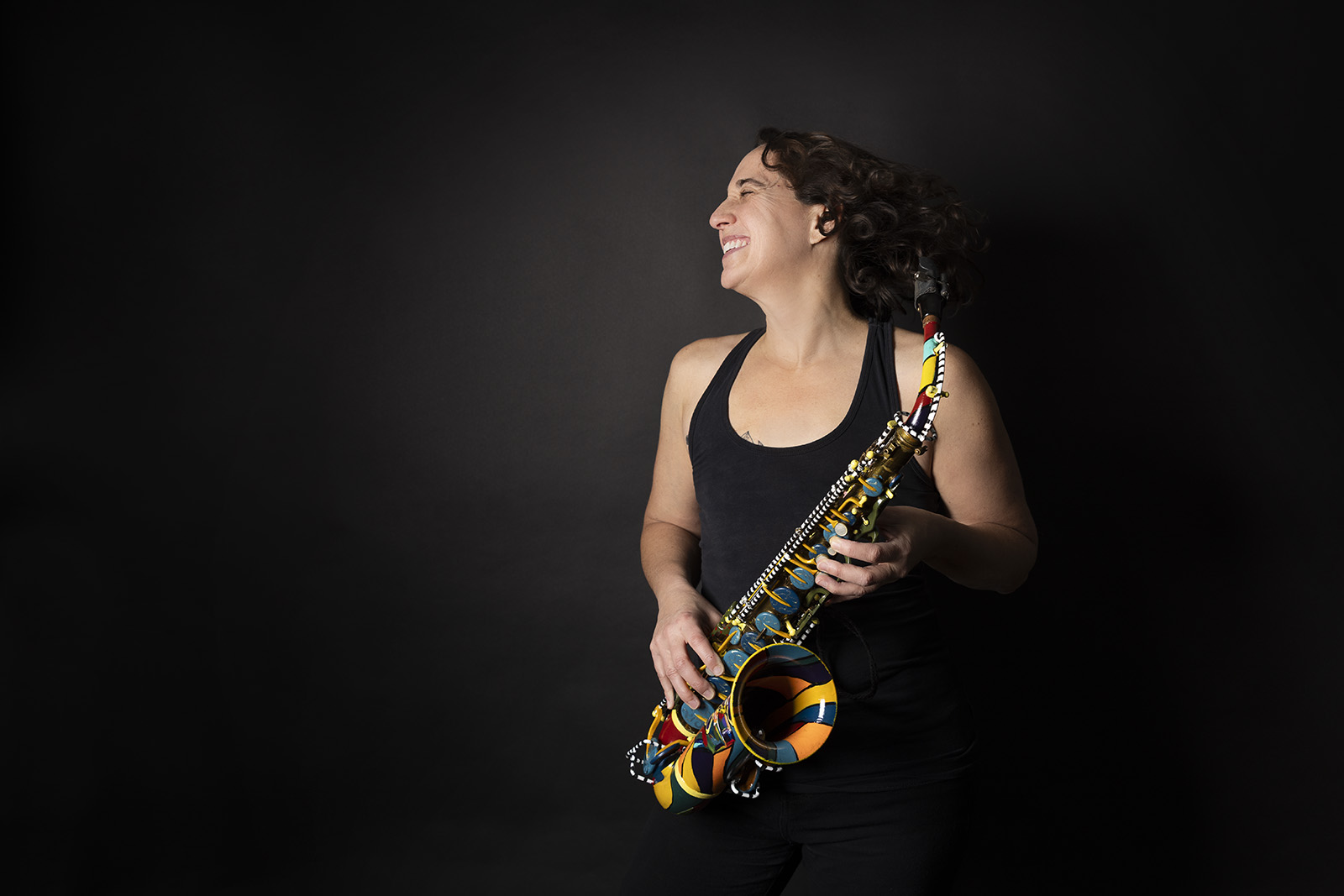
The Constant Thread of Creativity
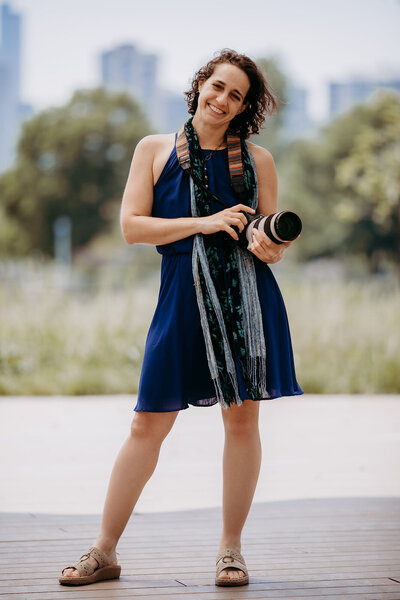
In celebration of Little Leapling Photography’s 13th birthday, I’ve decided to share a little more about the artist behind the lens. As a professional photographer, I spend my days capturing the stories of others. But for me, art has never been confined to a single medium. Since I was a child, creativity has been my primary language. It is a way to process the world, find peace in the chaos, and explore the limits of my own discipline. While many know me for my work behind the camera, there is a quiet, expansive collection of work that lives in my studio (and in storage), born from a lifelong dedication to creating. Even deeper, a tragic story of musical loss fuels all of my written and visual art.
A Portfolio of Many Mediums
My creative process is often an act of translation. What begins as a feeling might become a tactile piece of pottery or a precise ink drawing. By diversifying my practice, I allow different parts of my history and my “wiring” to speak.
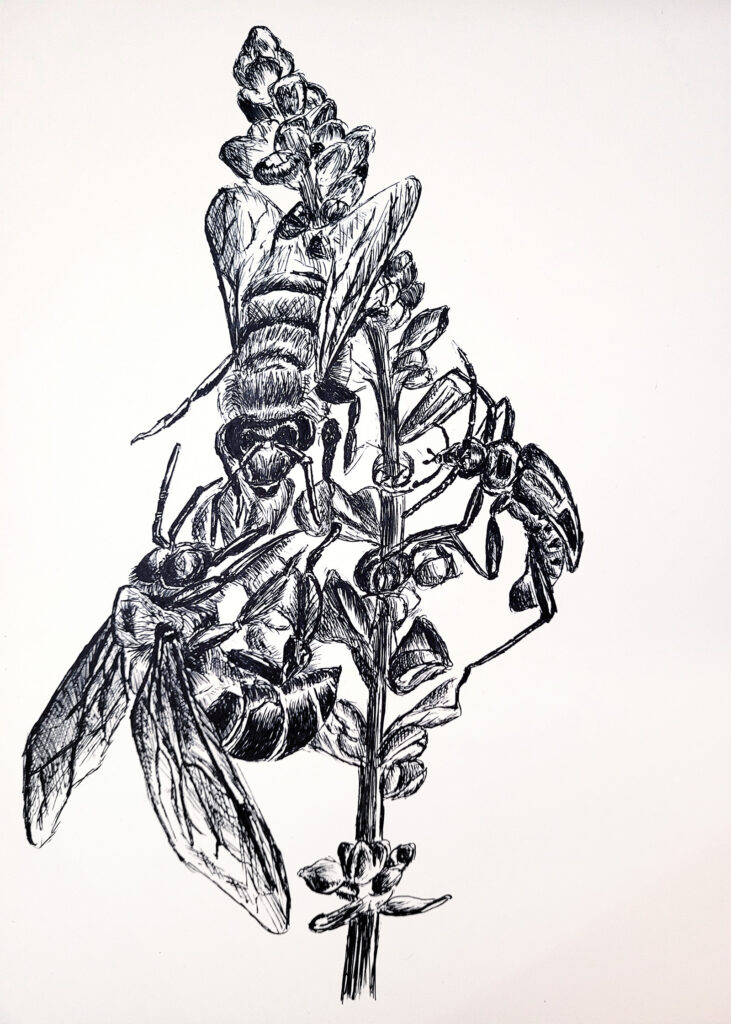
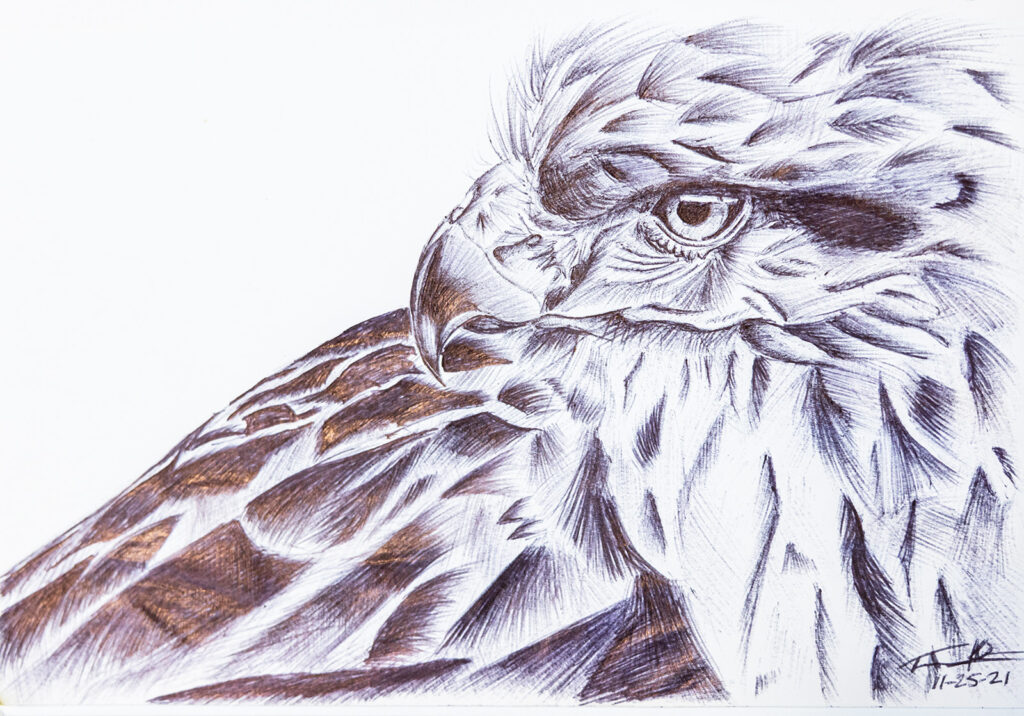
Ink & Pencil Drawings: This is where my focus is most acute. These drawings allow for a level of detail and intimacy that feels like a private conversation with the subject. I have never been formally trained in drawing. It’s a medium that I have always relied on instincts to find my own level of perfection. But, I’ve also always struggled with an imposter syndrome born out of a need for clear visual cues. I’ve always wished I could transform my thoughts and visions directly to paper without looking at a source to guide my hand and tools.
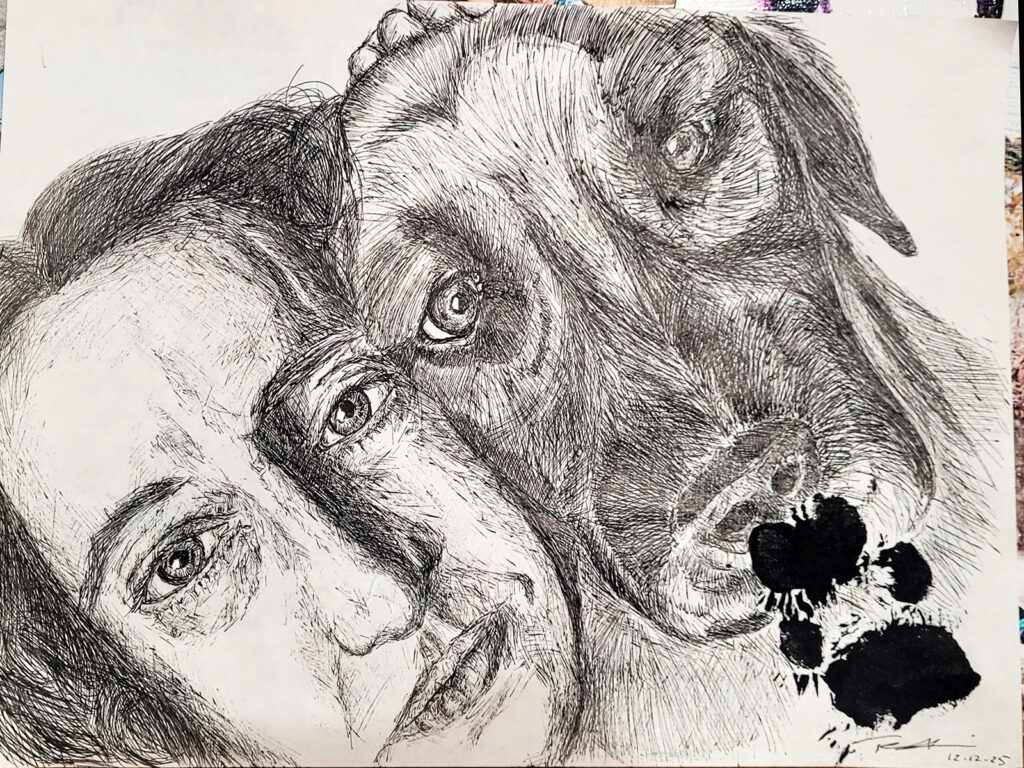
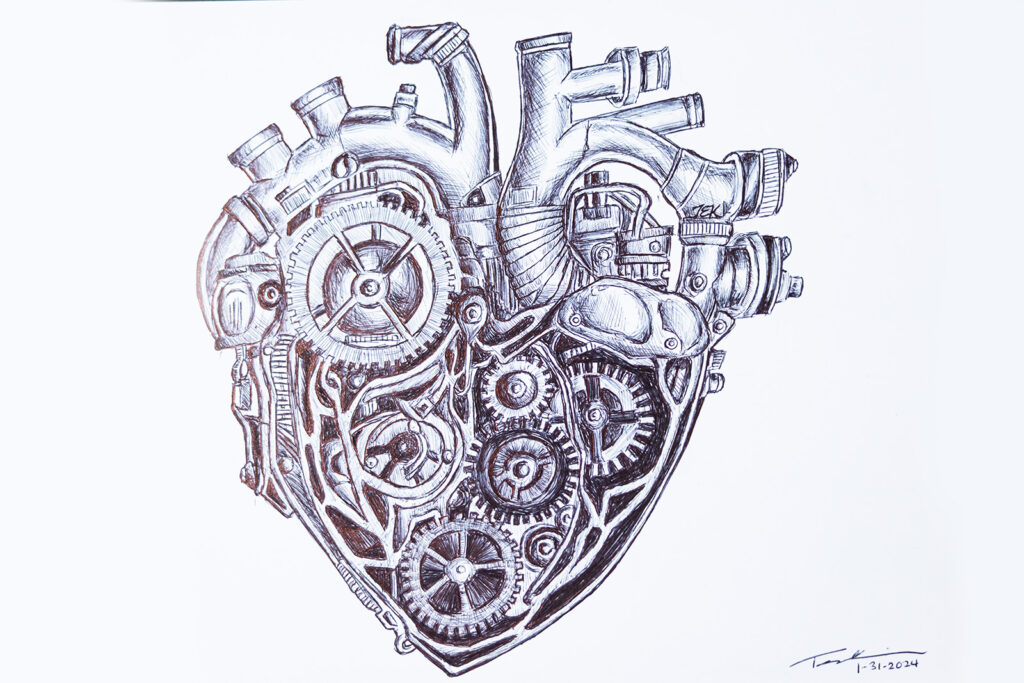
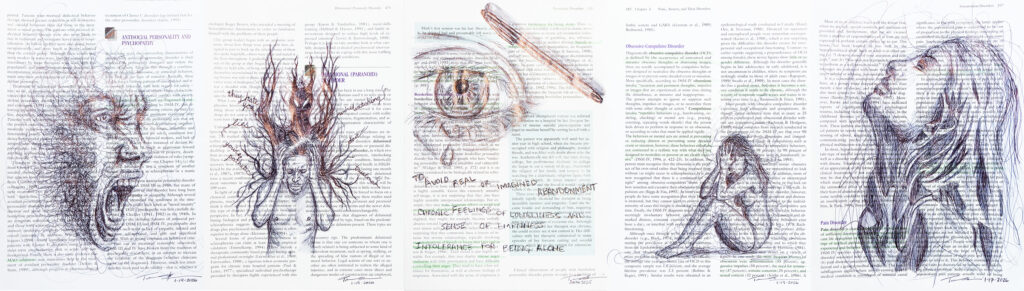
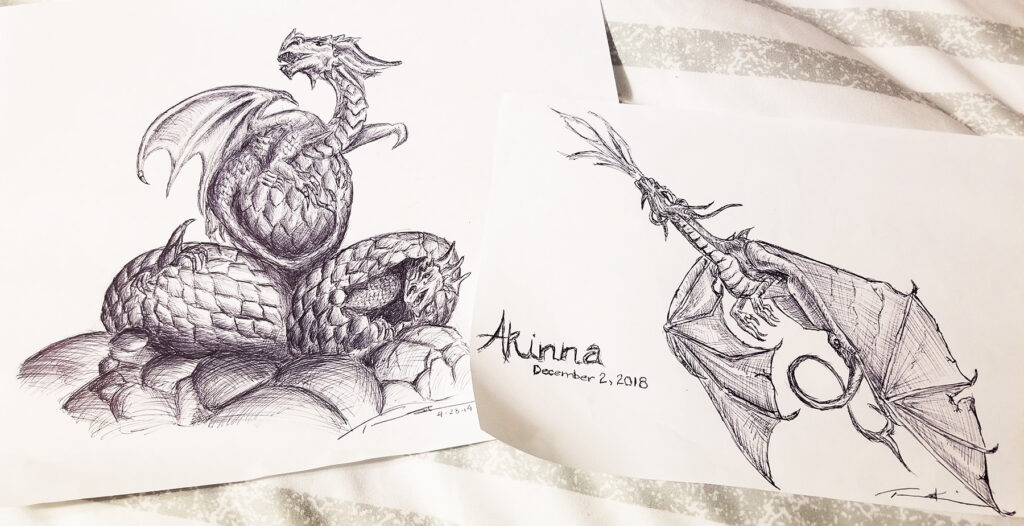
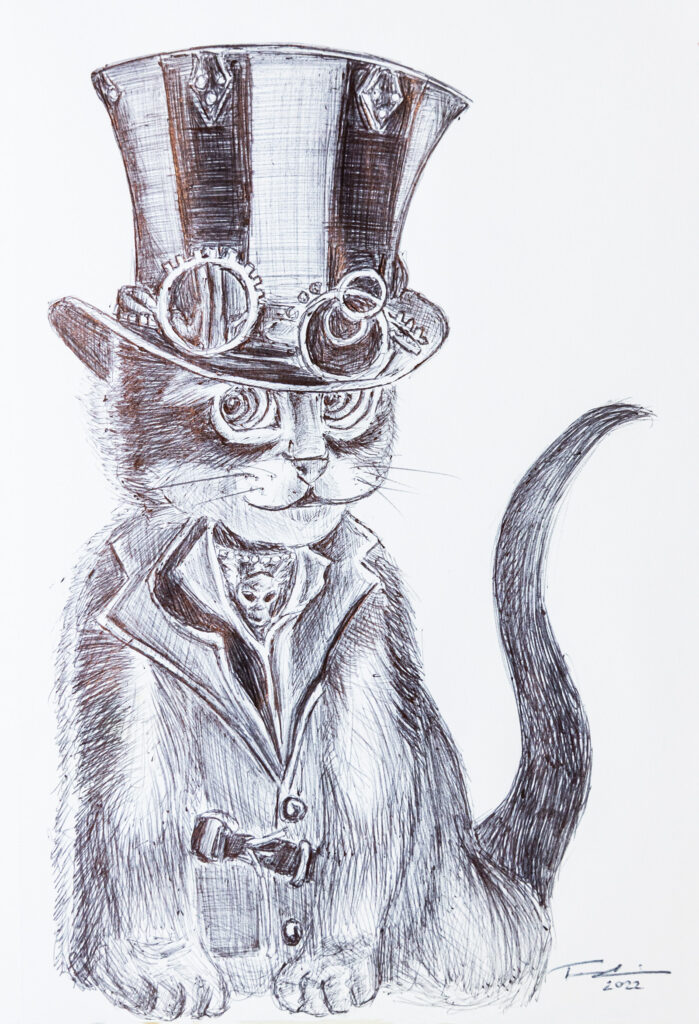
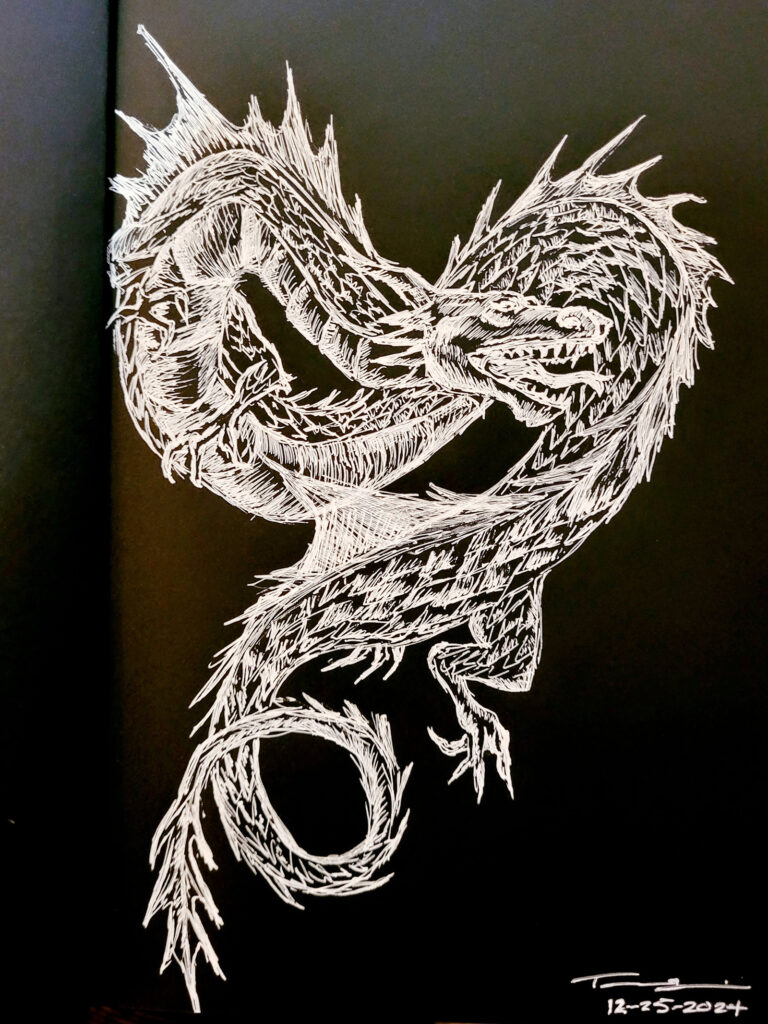
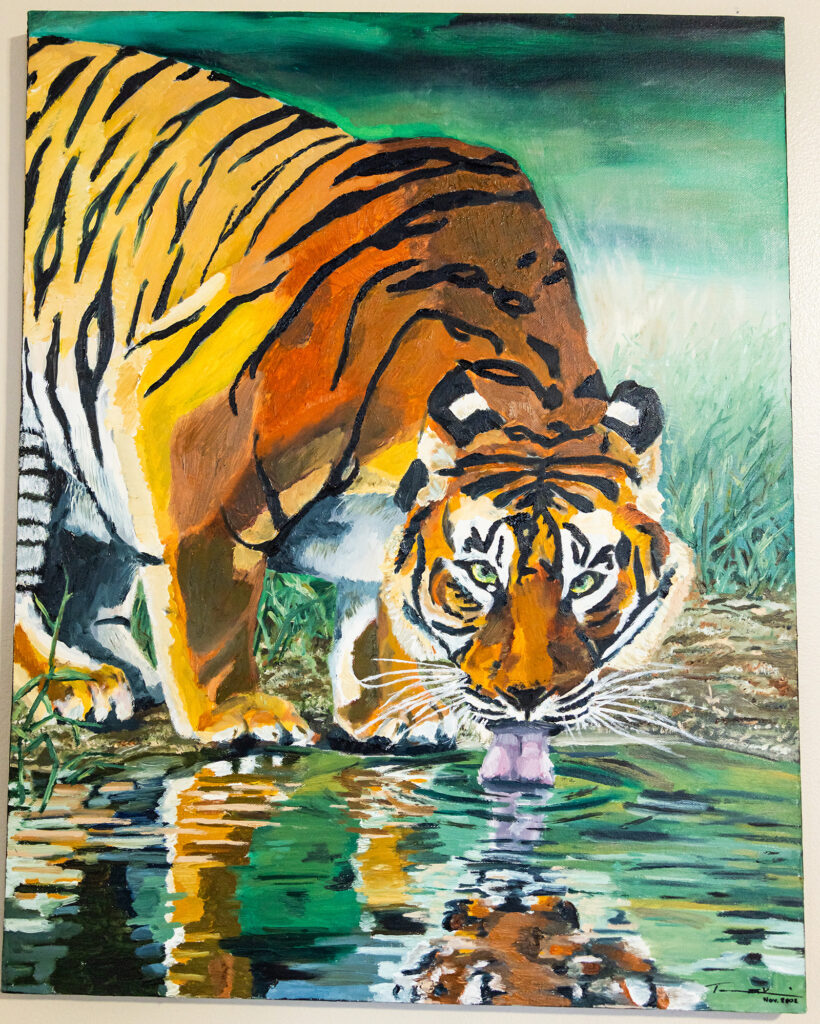
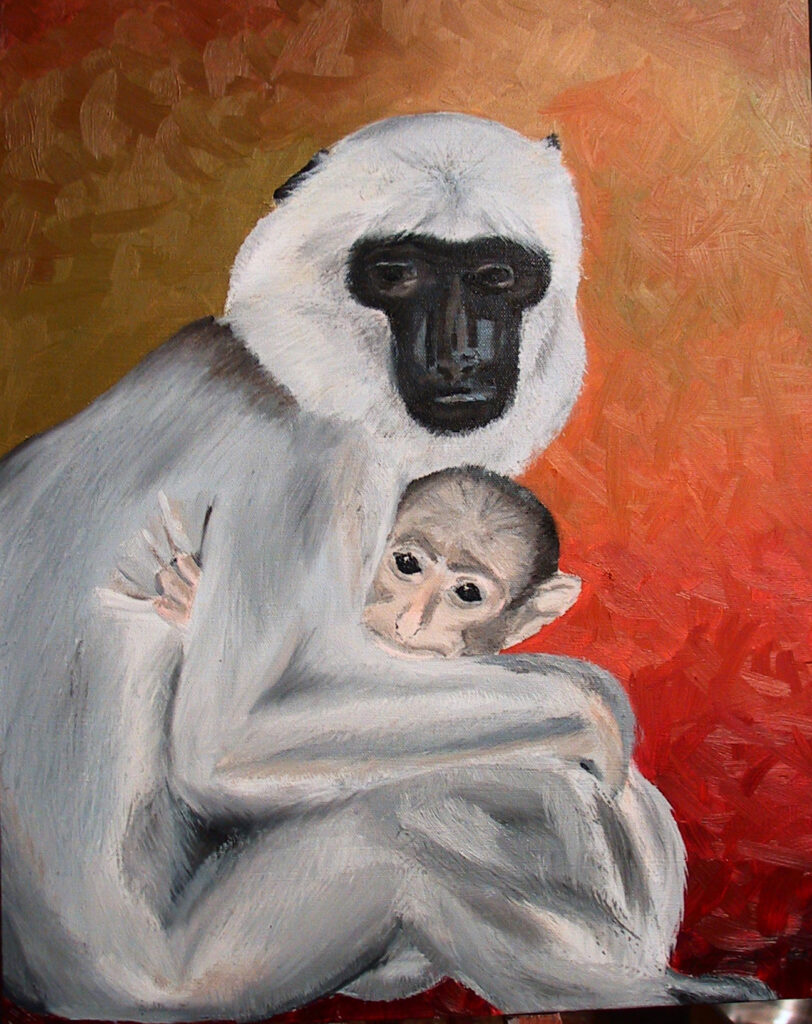
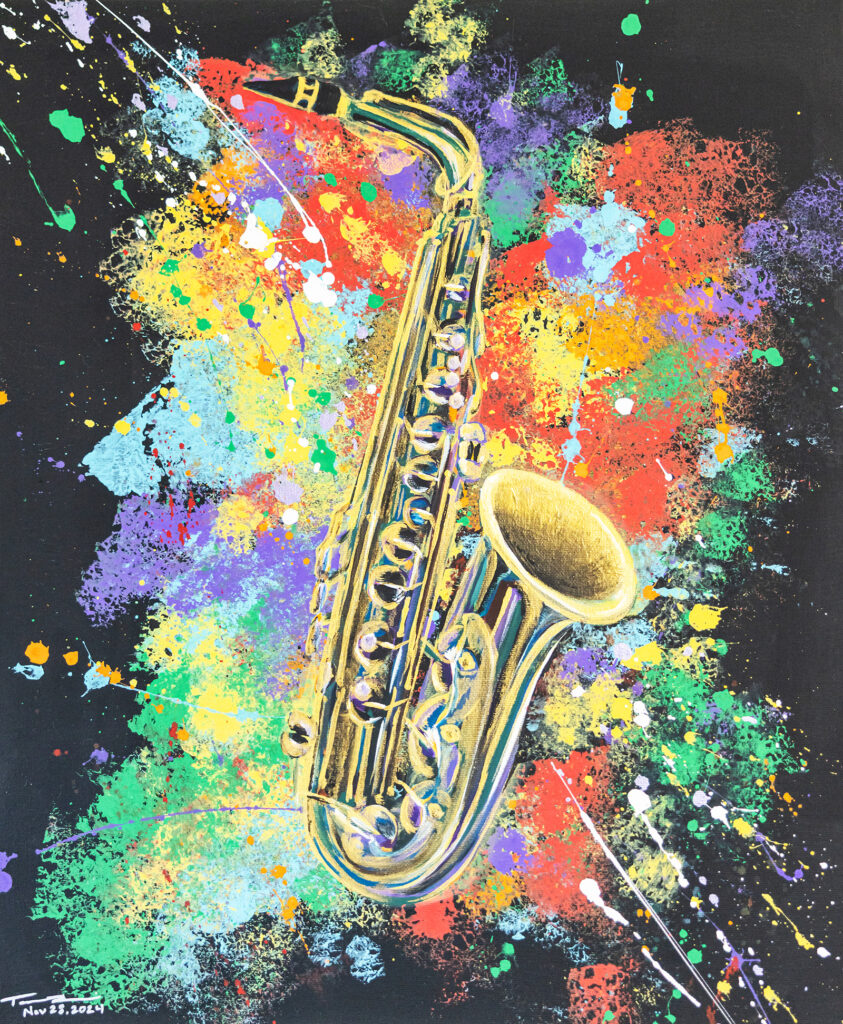
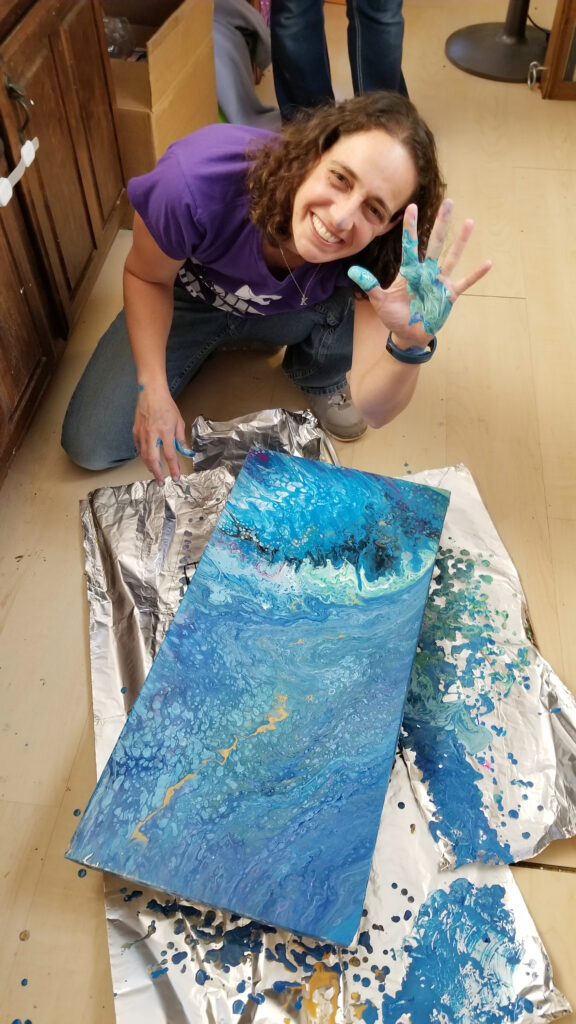
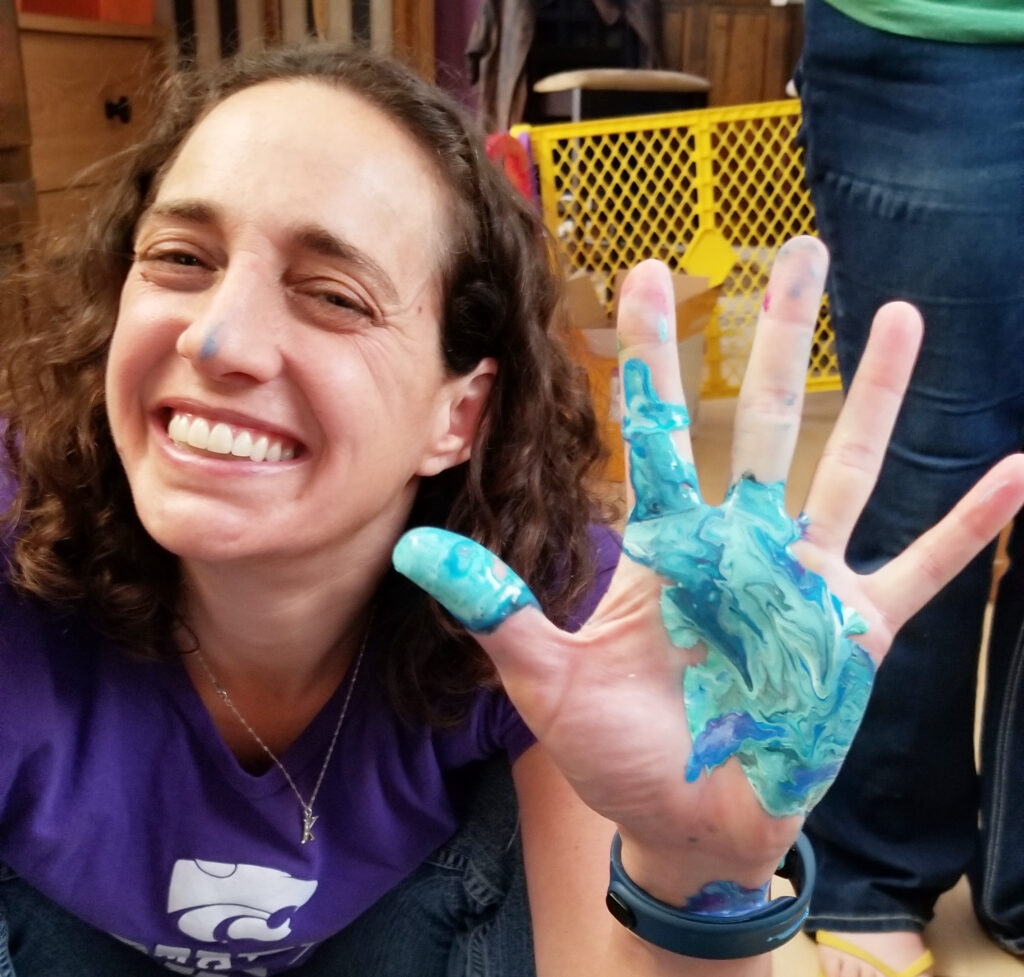
Acrylic on Canvas: Here, I play with energy and color. These pieces represent the more vibrant, unfiltered side of my creative “lighthouse.” Clay and paint are messy. As an exhausted mom, the last thing I want is to create more messes. So, my primary medium is pen on paper, which is only slightly more messy than photography.
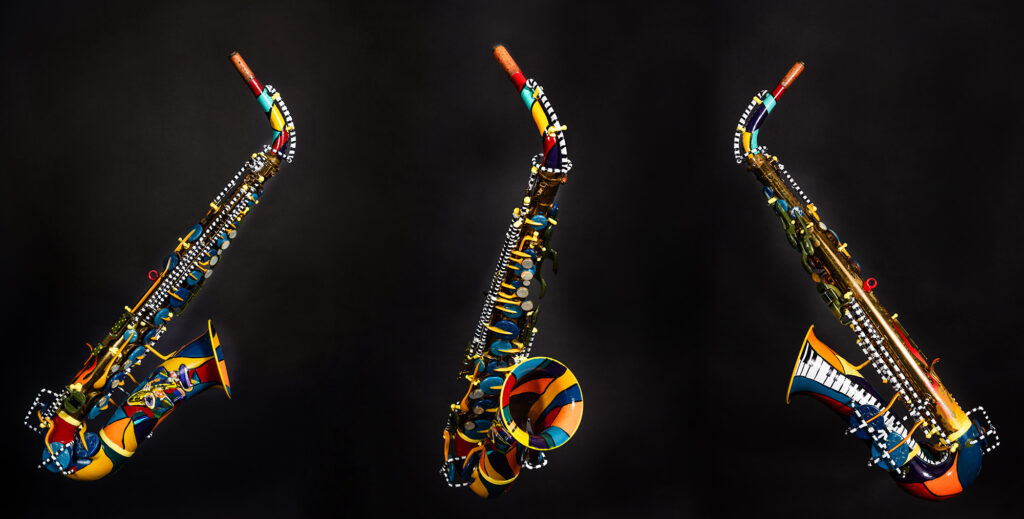
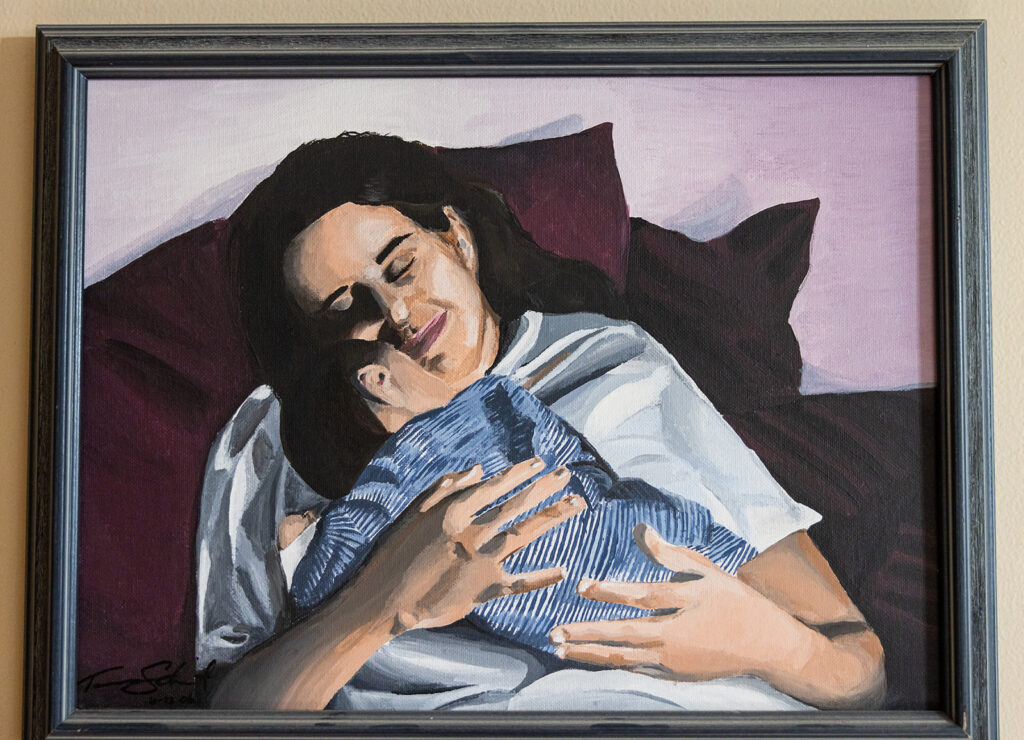
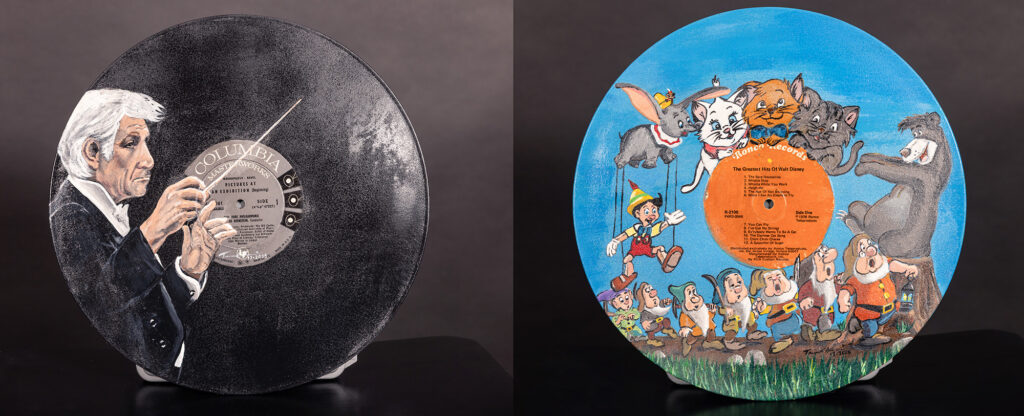
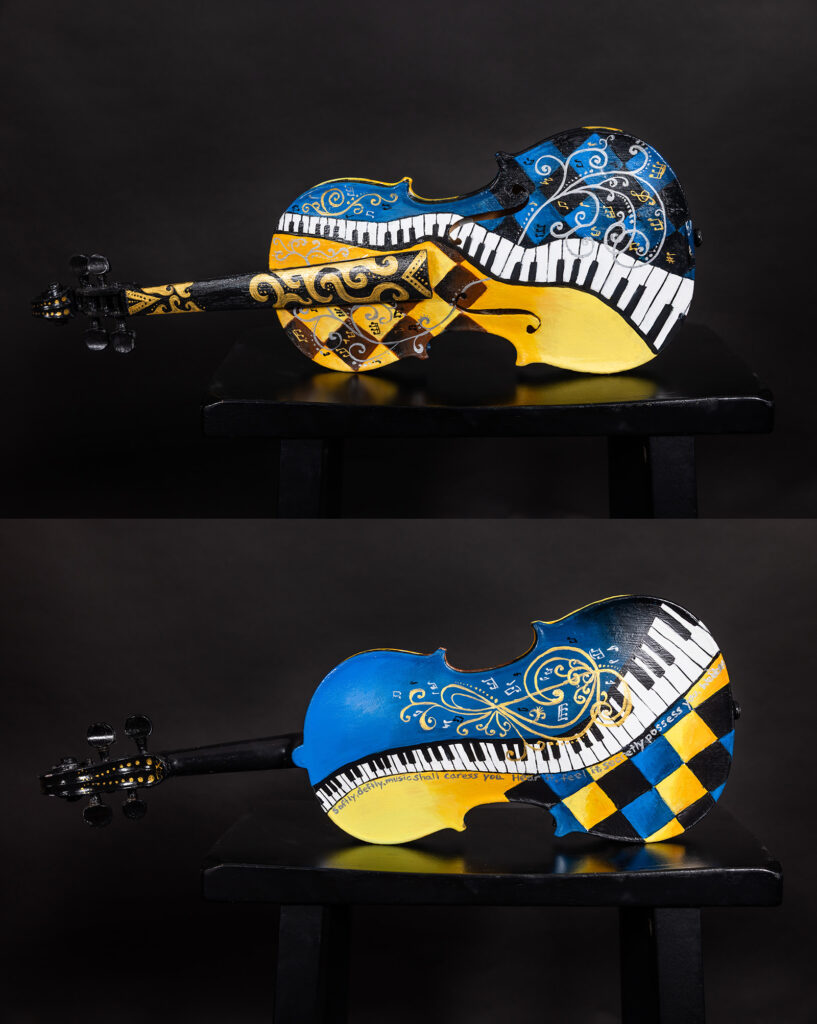
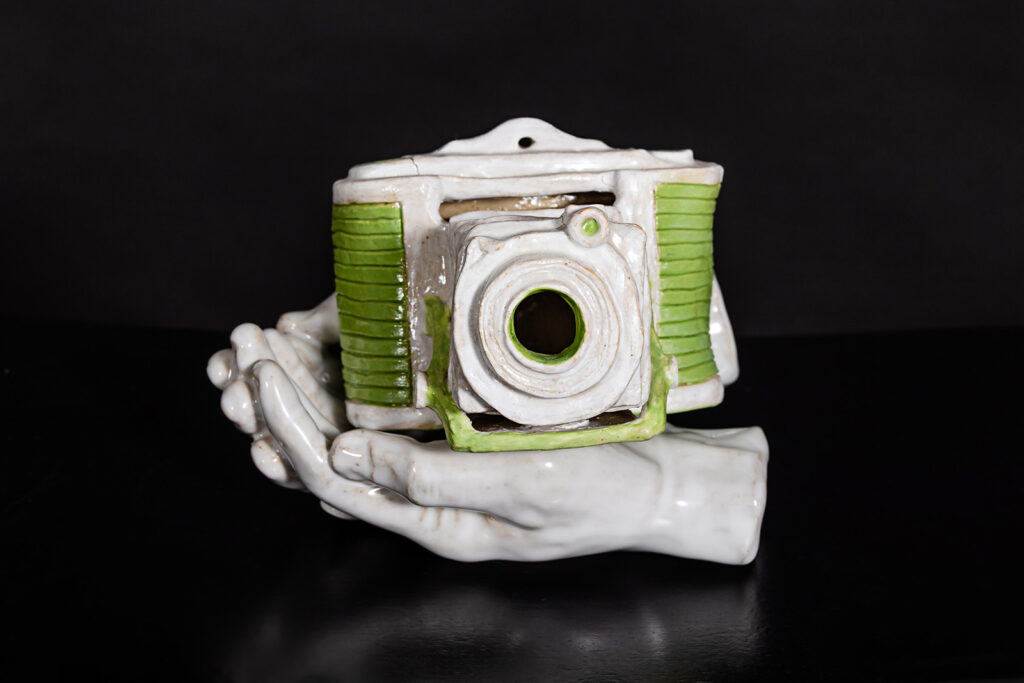
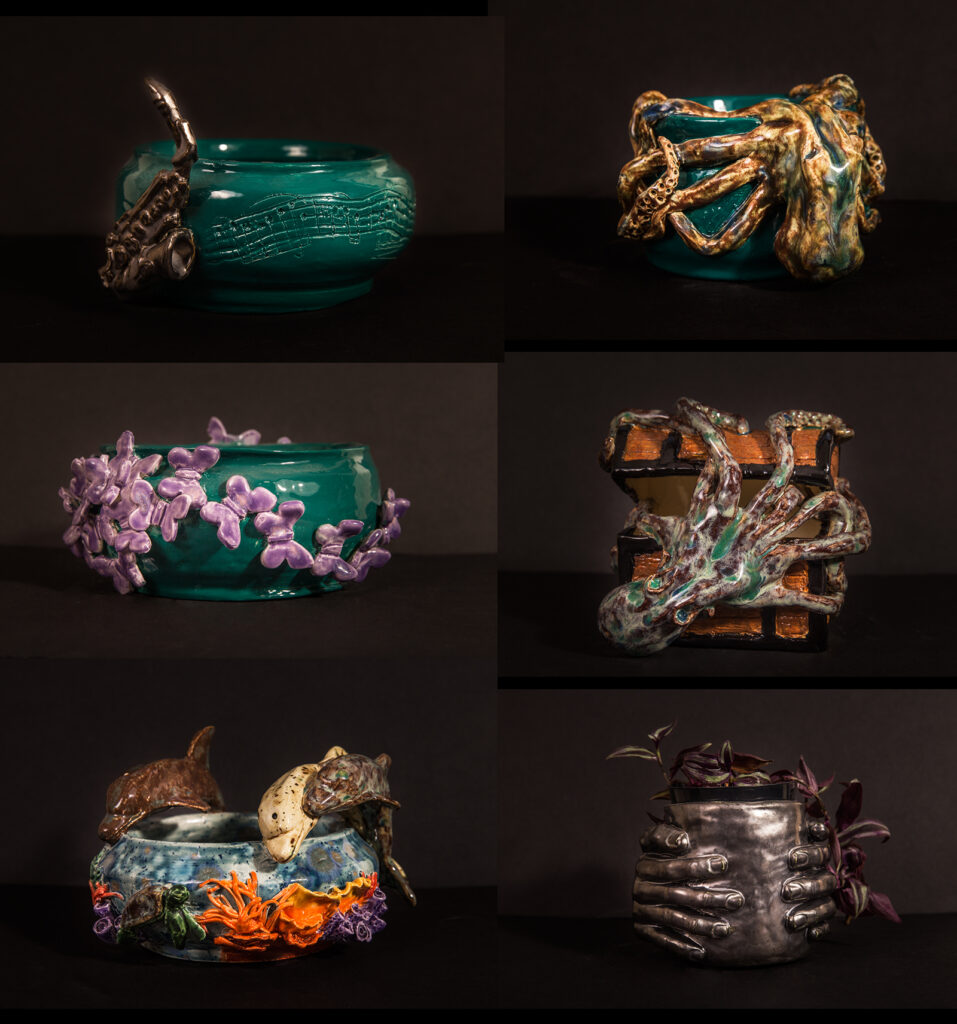
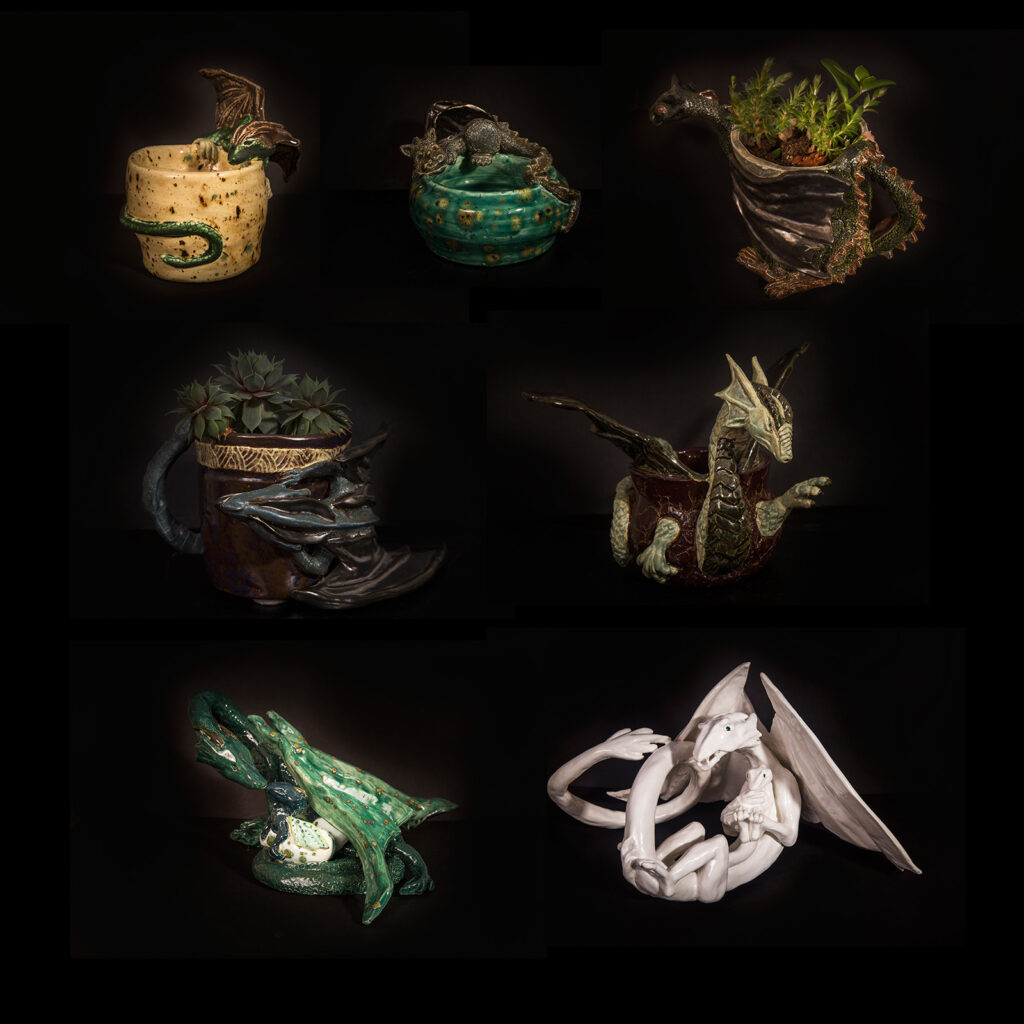
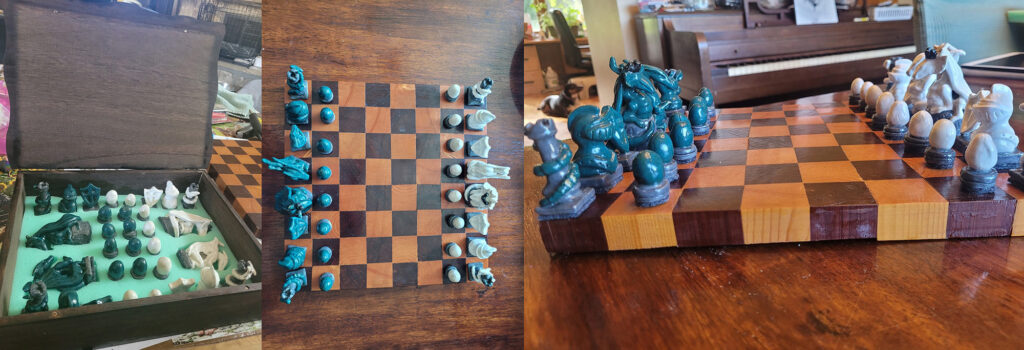
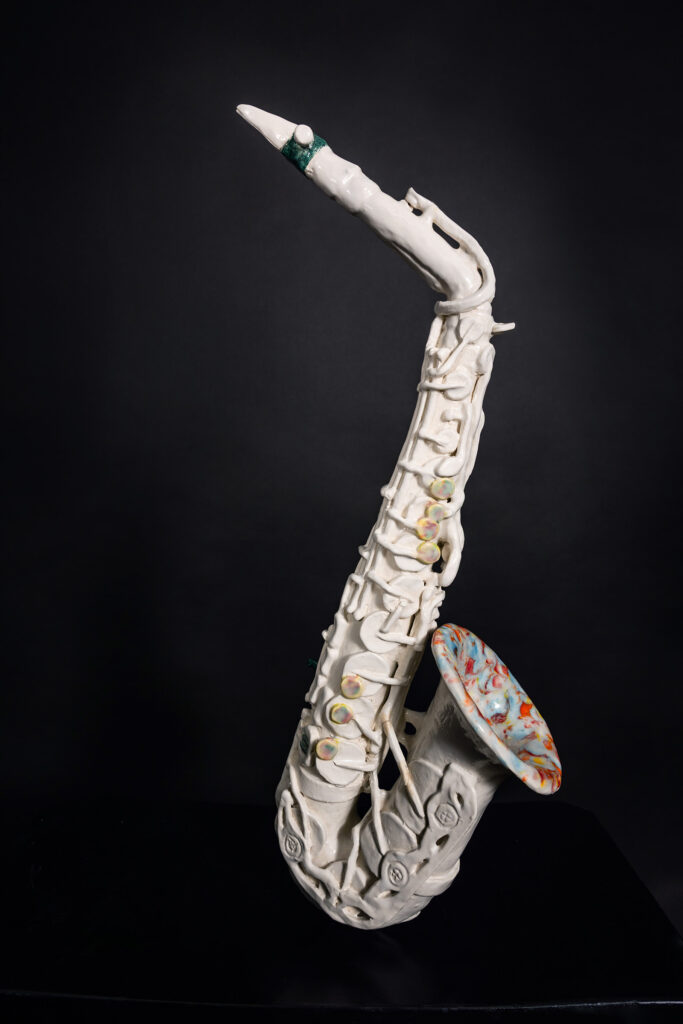
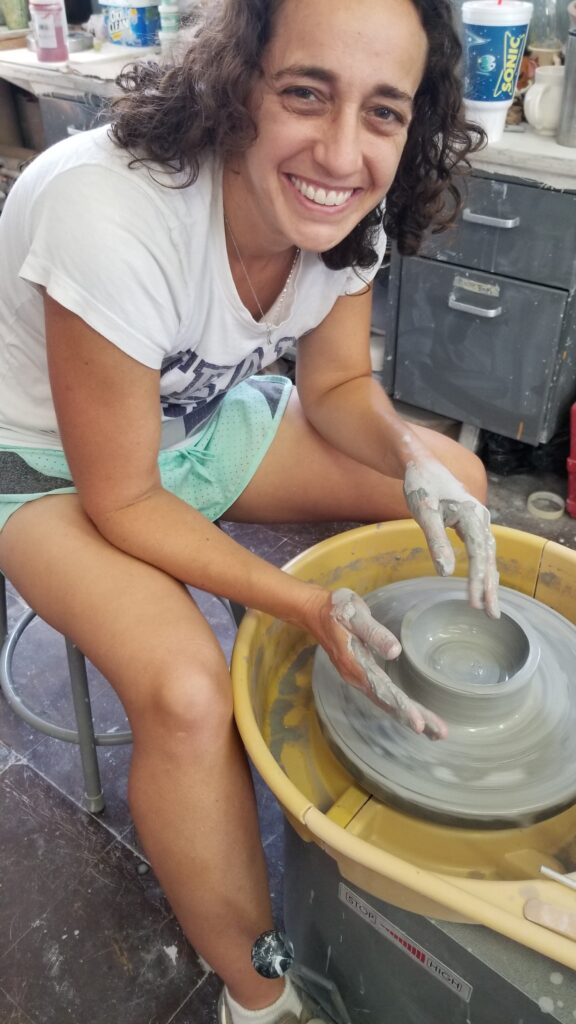
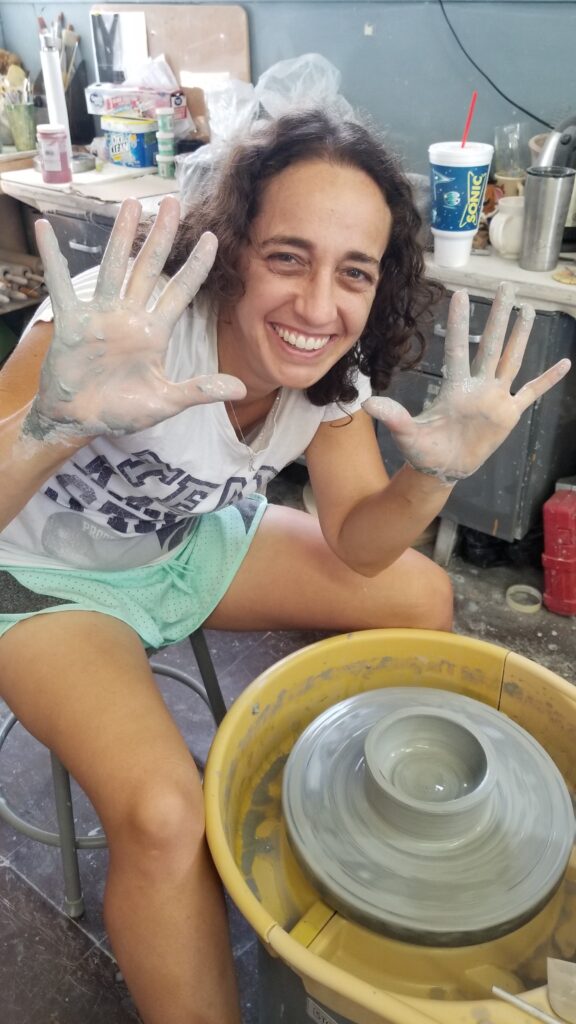
Pottery & Ceramics: There is something grounding about working with clay. It requires a physical presence and a level of patience that balances my fast-paced photographic work. The tactile nature of sculpting clay is not only therapeutic for me. It allows me to bring my visions to life without the sources I need for my drawings and paintings.
Why the Breadth Matters
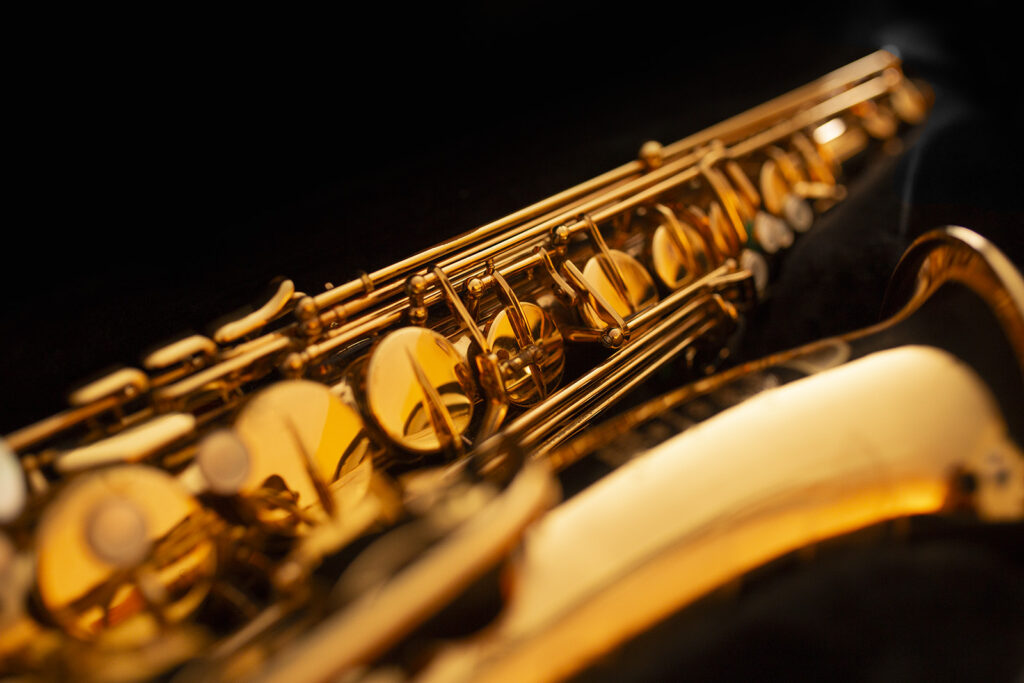
For me, every medium, whether it’s the saxophone I still play in quiet moments, the paint brush, or the camera, is part of the same whole. I don’t create to be “something”; I create because it is how I stay connected to myself.
Sharing these works isn’t about seeking a spotlight; it’s about being seen as a whole person. It is an invitation into the studio where the “rushed blur” of life slows down into something tangible, lasting, and true.
The Rhythms Beneath the Surface
To understand my visual art, you have to understand the silence it grew out of. Long before I picked up a camera or a slab of clay, I was a musician. My early years were defined by the saxophone, not just as an instrument, but as a primary identity. I spent years in the high-intensity environments of Interlochen and Northwestern University, where I learned that “raw talent” is nothing without a fierce, obsessive dedication to the craft, and persistent, competitive drive.
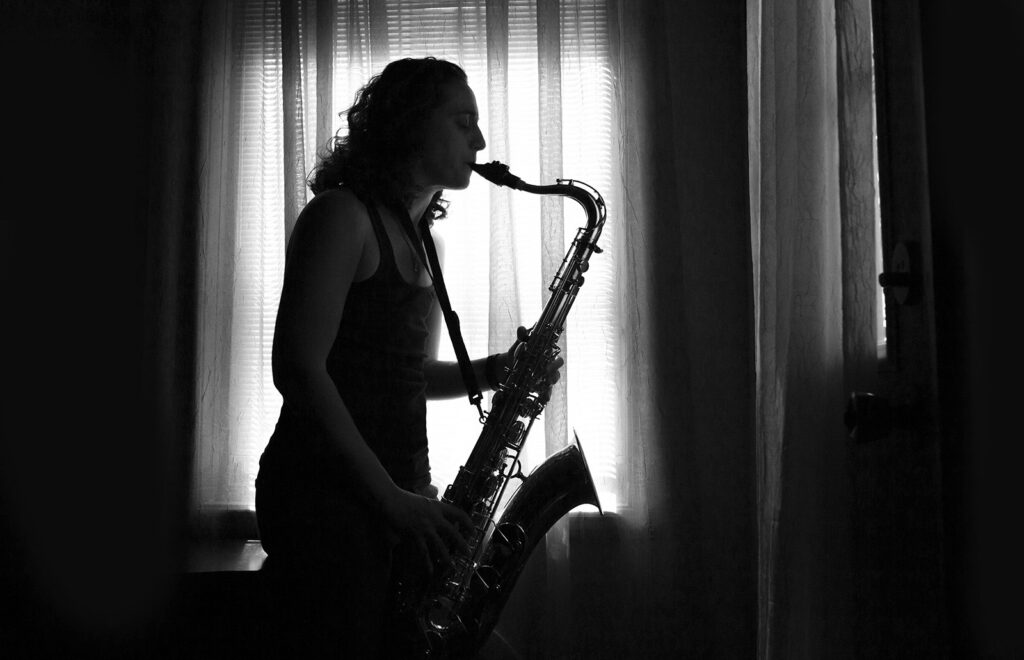
While physical injuries eventually changed my relationship with the saxophone, the “musicality” of my brain never stopped. I find that my background in music drives every visual project I undertake today:
In my Drawings: I see the precision of a difficult etude. The way ink meets paper requires the same breath control and steady hand as a sustained altissimo note.
In my Paintings: Fluid colors quite literally dance to deeply ingrained melodies in my mind. One of my earliest inspirations as a musician and artist was Walt Disney’s Fantasia. For me, the romance between visual art and music began with abstract animations brought to life by Tchaikovsky’s Nutcracker Suite. I’m honestly not sure if the colorful choreography had a larger impact on my music performances or my artwork.
In my Pottery: There is a physical rhythm to the wheel that mirrors the tempo of a performance. It’s a dance between technical constraint and creative fluidness. But, even after the wheel has settled to silence, it is the hand-crafted details that best connect me to my creations.
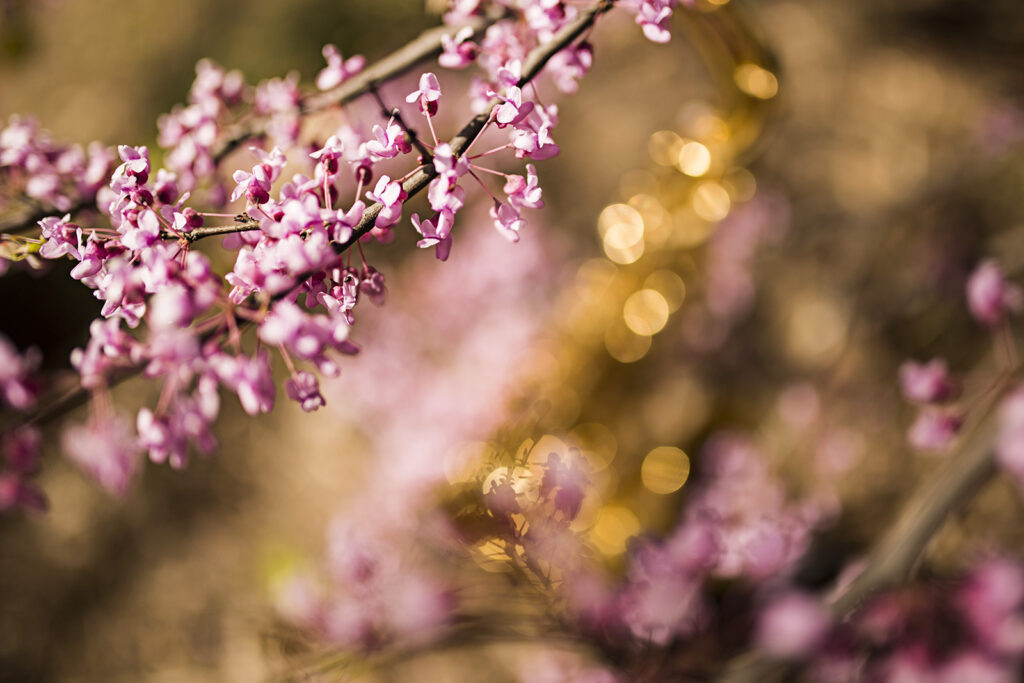
In my Photography: I am always looking for the “crescendo”, that perfect moment of light or emotion that feels like the peak of a solo. It is a rare moment that there isn’t music in my head. While that may not be the case during the happy chaos of a family photo session, rest assured that it returns with playful rhythms and percussive happiness when I’m taking that first look through your photos on my computer monitor.
For a long time, photography was a replacement artistic outlet. After I was forced to stop playing my saxophone, I craved that connection with myself. I took an oil painting class at Northwestern, but that’s the extent of my formal training in the visual arts. Oil painting was too time consuming, so I focused on pencil drawings. I bought a small Olympus film camera in 1998 or 1999. This allowed me to capture my own source images to draw. I gradually spent more time photographing the world around me as my busy life left little time for intricate drawings or messy paintings.
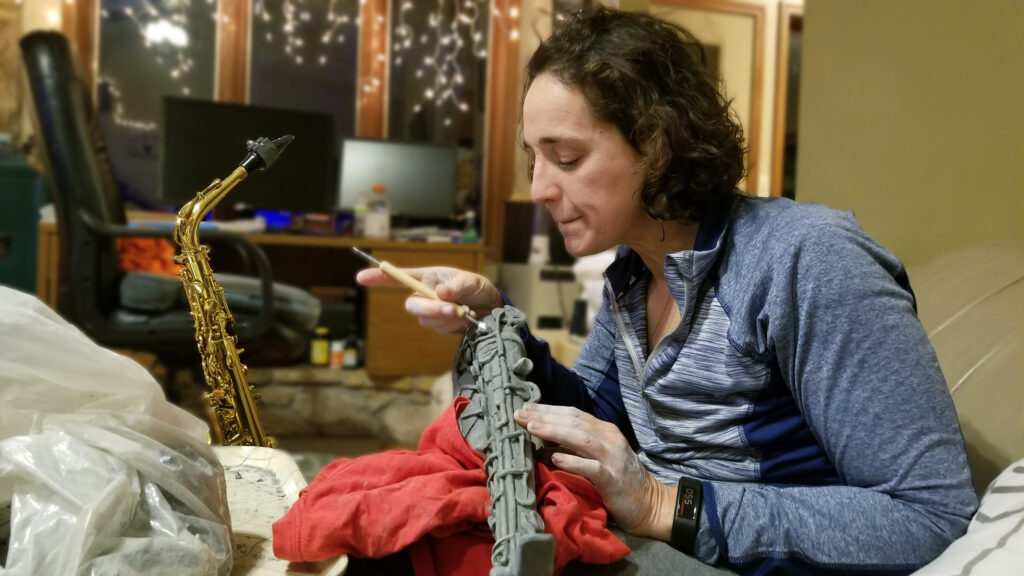
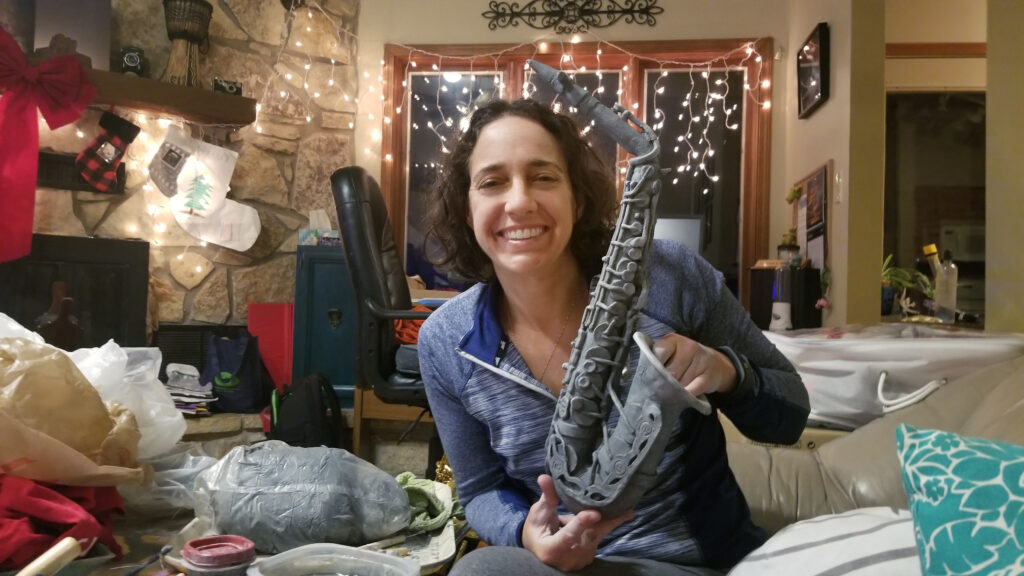
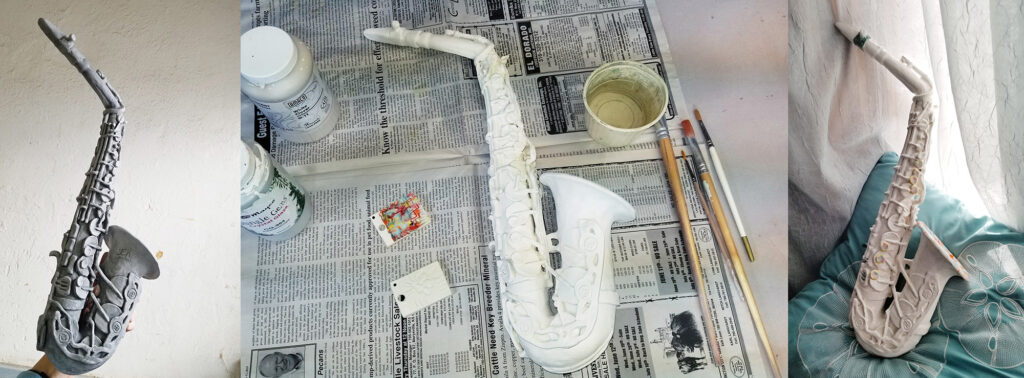
Even though I have not performed on my saxophone since 1998, I still feel most connected to myself in those rare moments when I allow muscle memory to take over until my unpracticed embouchure prematurely shakes with exhaustion. I may not be on a stage in the traditional sense, but the discipline of a musician is baked into my DNA. My visual art is simply the music made visible. It is my way of continuing a lifelong conversation with beauty, even when the medium changes.
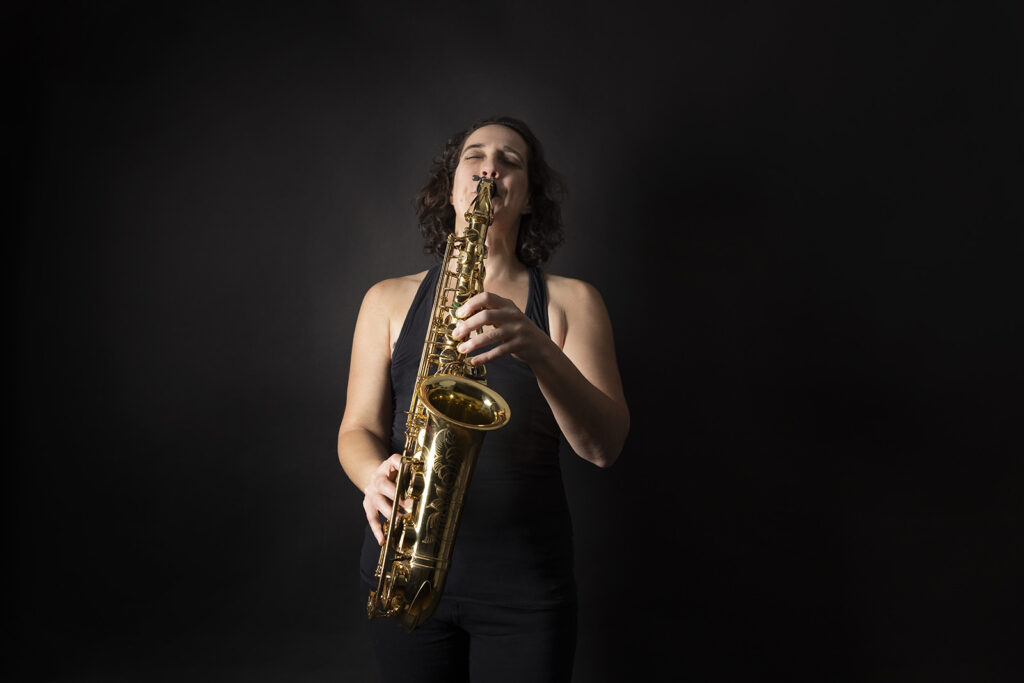
You can learn more on my About Page and the personal section of my blog. But, the best way to connect with me is through art. Just as I see the deeper beauty in my photography clients, I believe they can see a more genuine version of me when I’m doing what I love most. Send me a message and let’s brainstorm the perfect photo session where I can turn you and yours into a work of art.