



Exploring Sunset Zoo: A Photographer’s Paradise in the Heart of Kansas
Nestled in the rolling Flint Hills just minutes from downtown Manhattan, Sunset Zoo is more than a community zoo. It’s an immersive wildlife destination that blends conservation, interactive exhibits, and scenic landscapes into a photographer’s dream setting. With more than 300 animals representing over 100 species, the zoo’s artistic and natural environments provide endless inspiration through every season.

A Brief History and Character
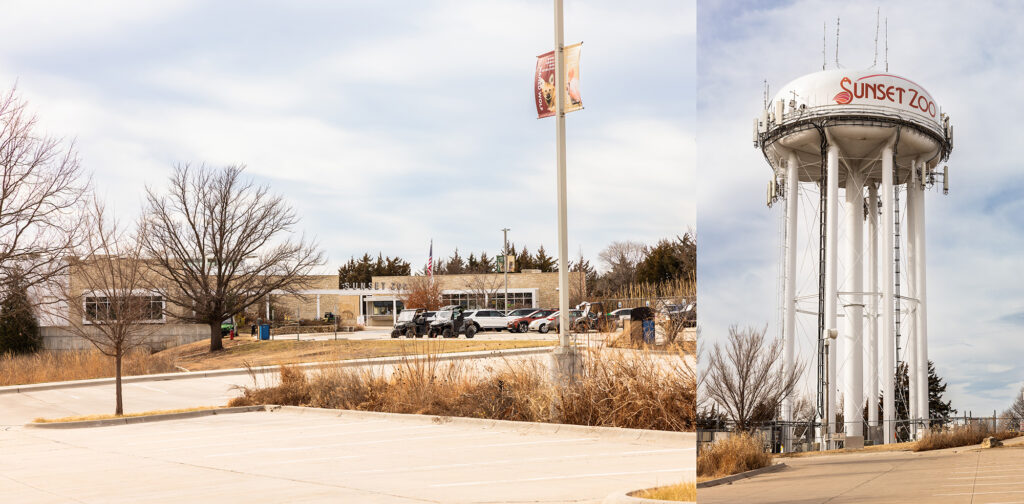
In 1933, the City of Manhattan transformed a parcel of land from the old Sunset Cemetery into a zoological park. At the time, Dr. E.J. Frick was head of surgery and medicine at Kansas State University’s veterinary school. He volunteered for more than four decades to grow the collection and nurture the zoo’s early development.
Over time, the zoo has evolved through careful planning and community support. In the late 1980s it earned accreditation from the American Zoo and Aquarium Association (AZA), a distinction it continues to uphold, reflecting high standards of animal care and guest experience.
Exhibits That Beg to Be Photographed
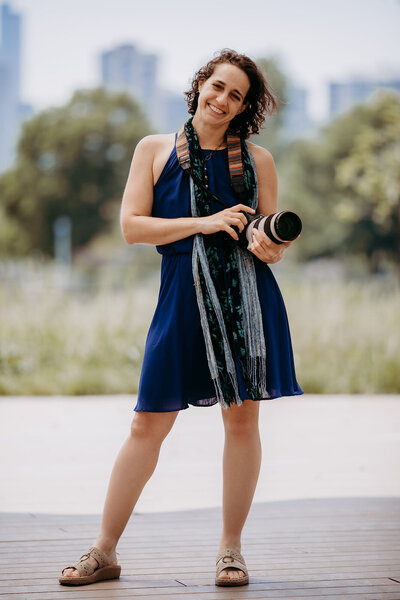
Sunset Zoo’s layout encourages exploration and photography, inviting visitors to experience habitats from around the world. I have been photographing the animals at Sunset Zoo since 2011, so some of the pictures include animals that are no longer here. It’s been such a pleasure to befriend the zoo staff, animals, and watch the property continue to evolve, providing constantly improving habitats and overall environment.
Key exhibits include:
Expedition Asia
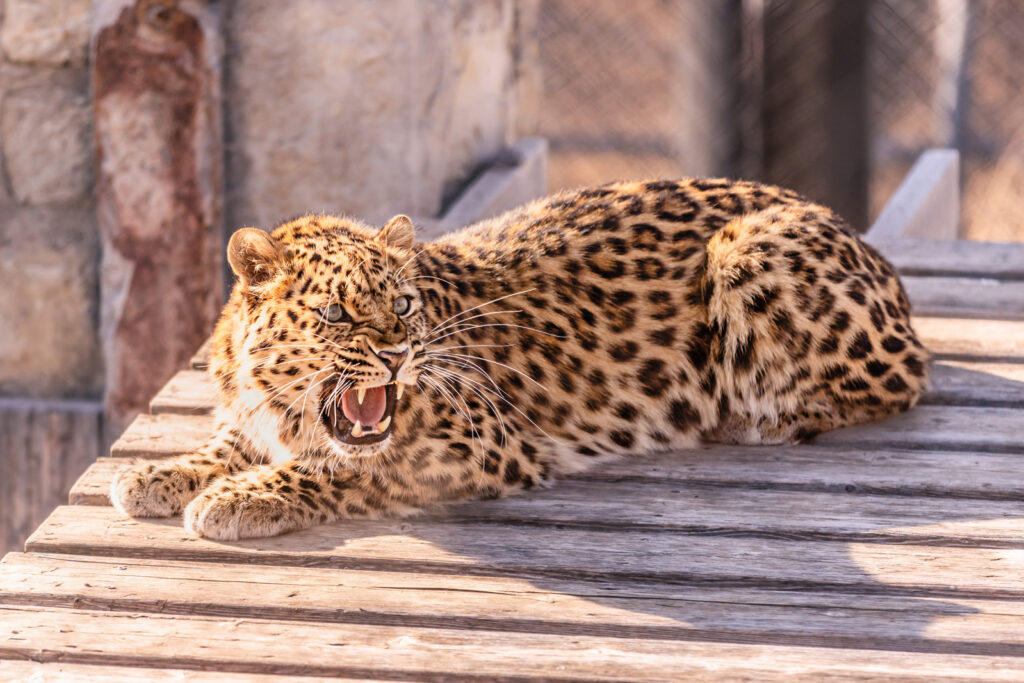
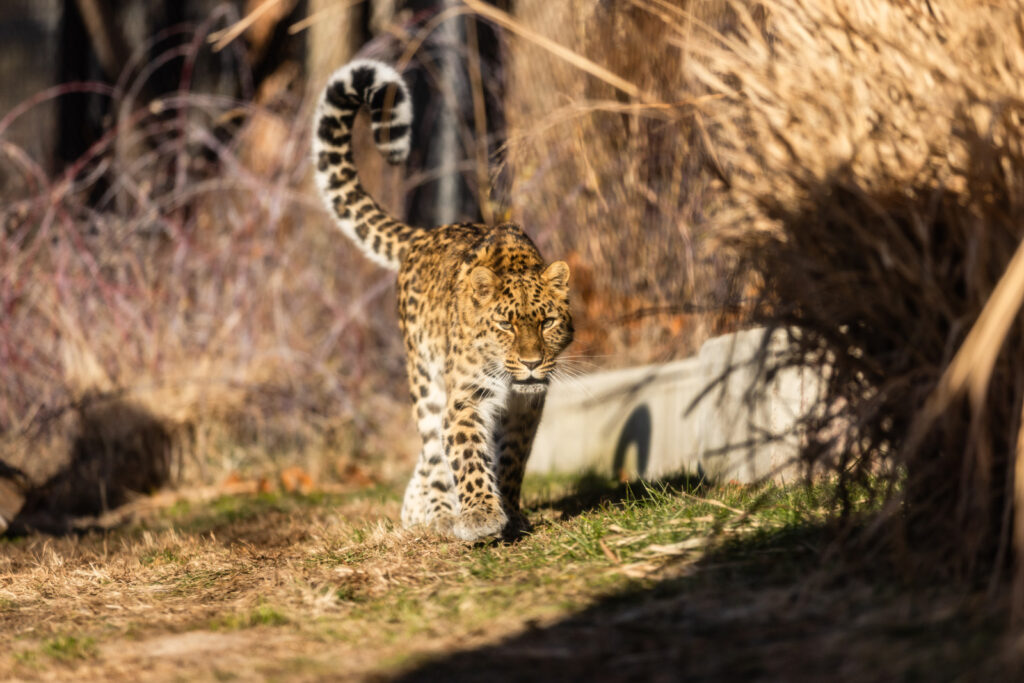
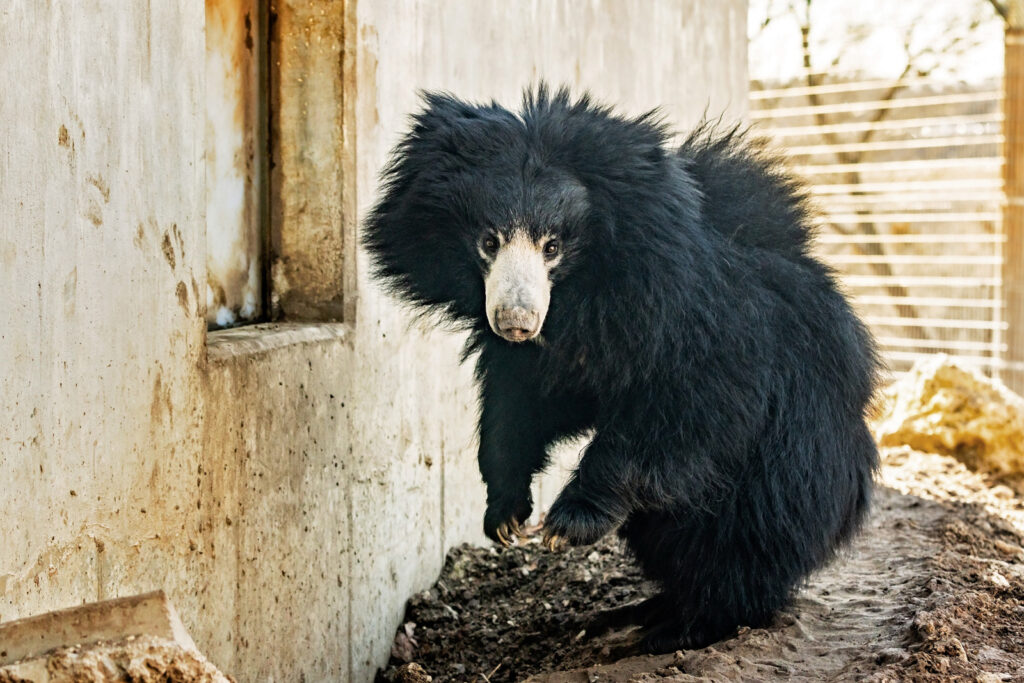
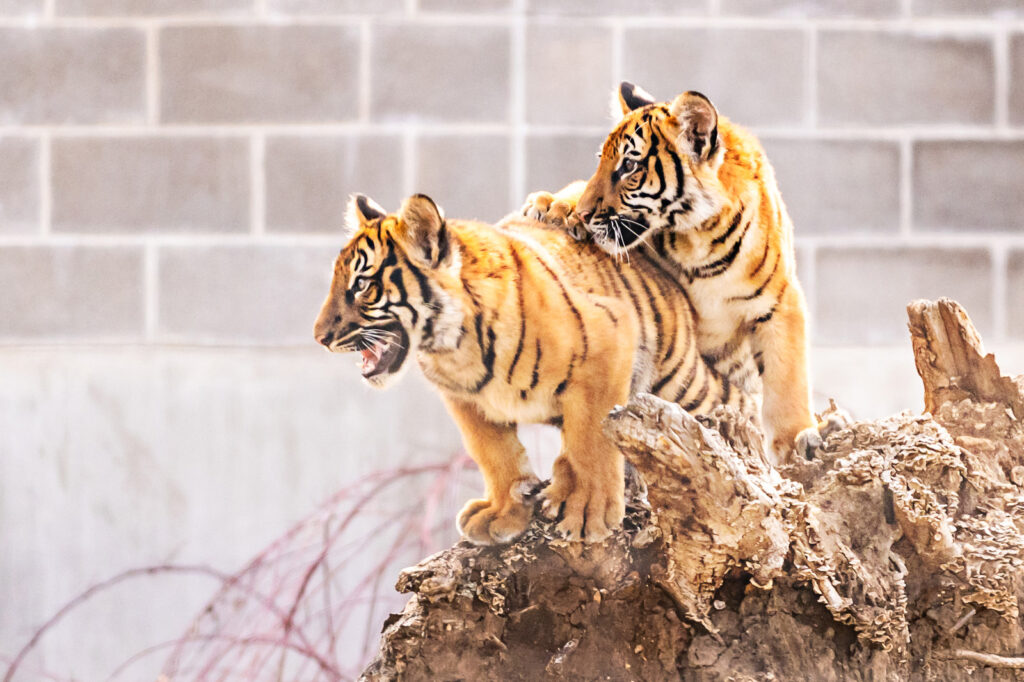
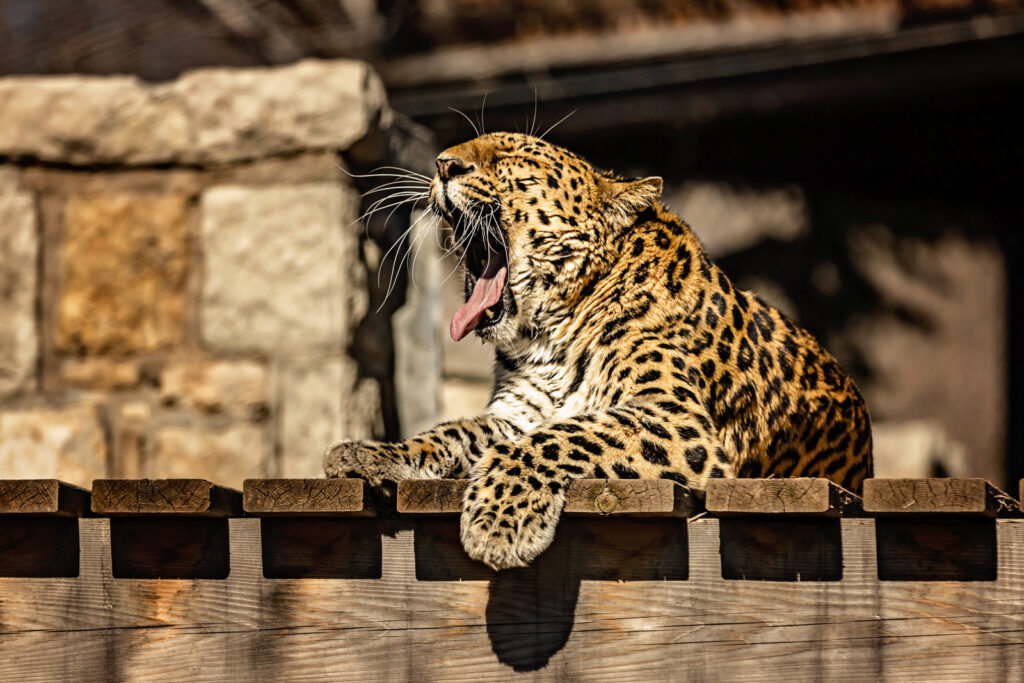
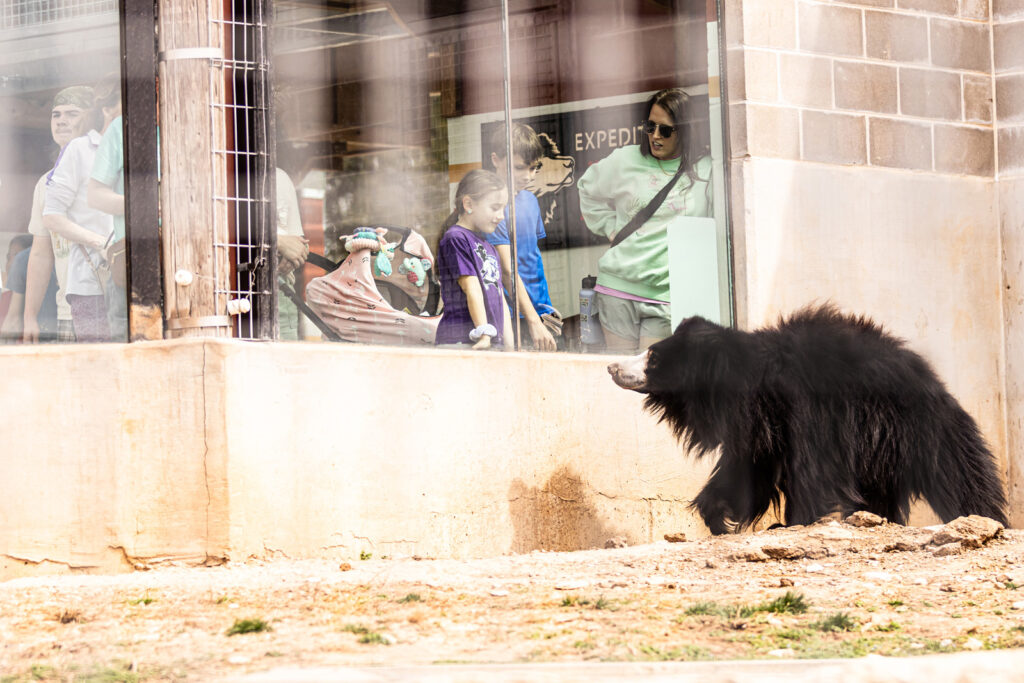
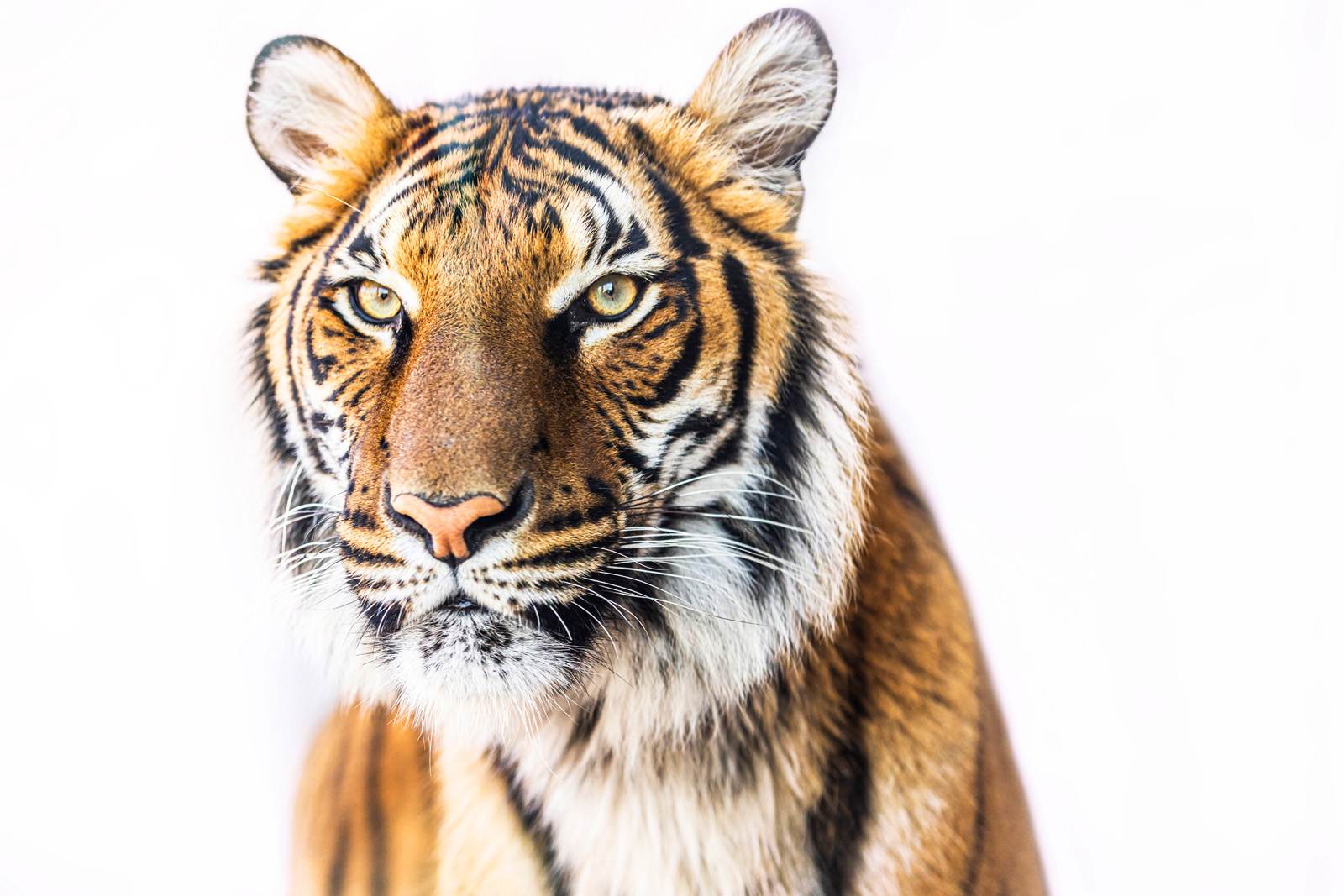
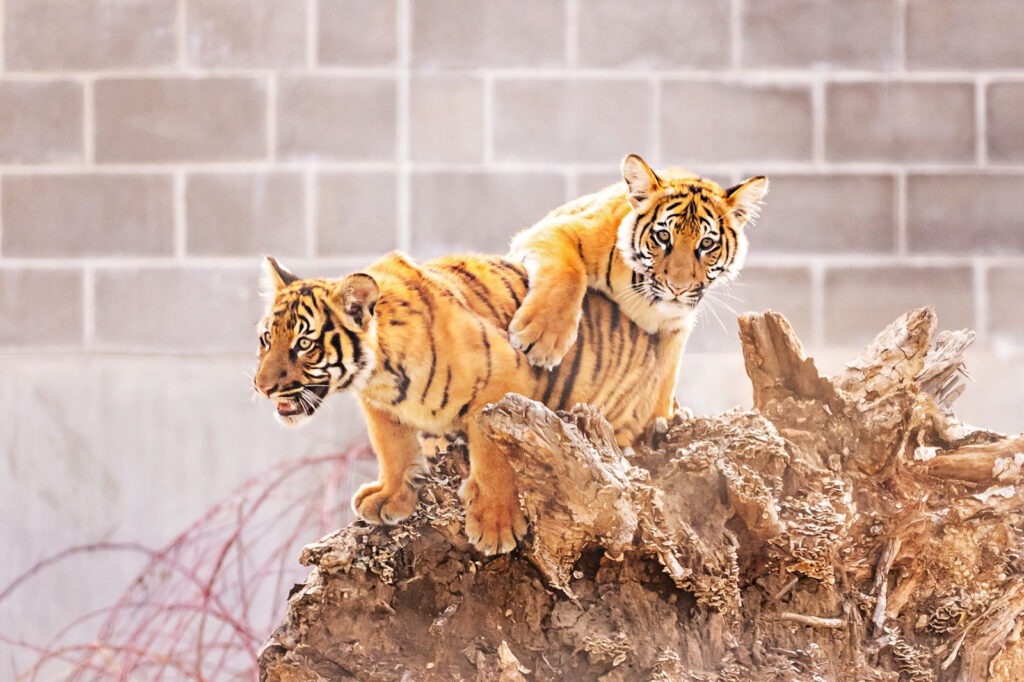
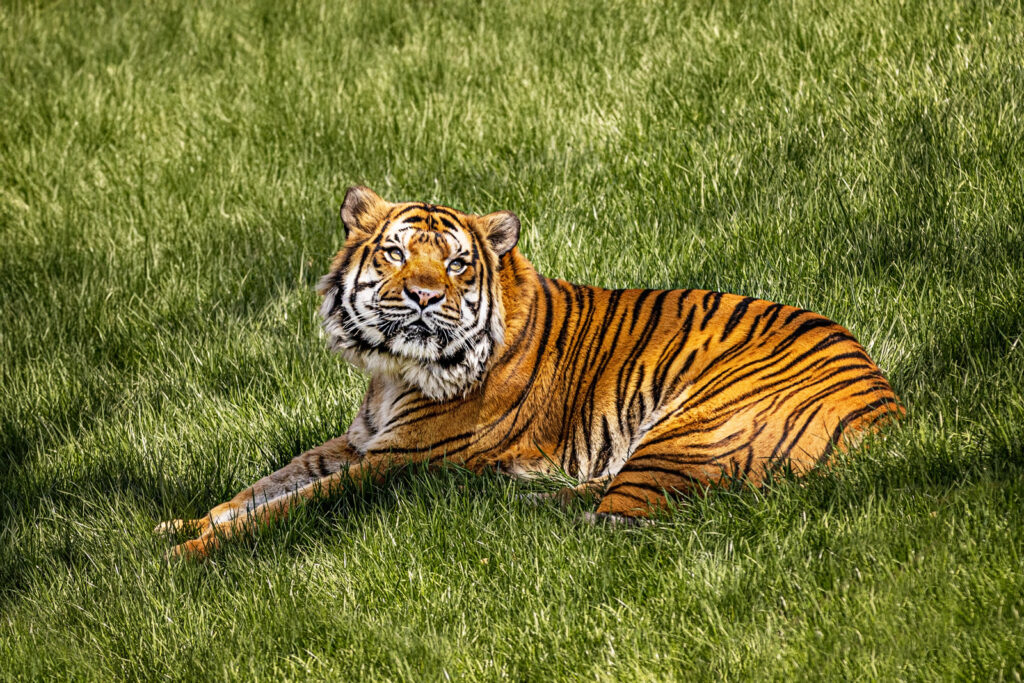
One of the zoo’s signature areas, Expedition Asia replicates forested terrain punctuated by architecture and foliage evocative of its native regions. Here, photographers can capture compelling portraits of Malayan tigers, sloth bears, and Amur leopards against backdrops that feel organic and immersive.
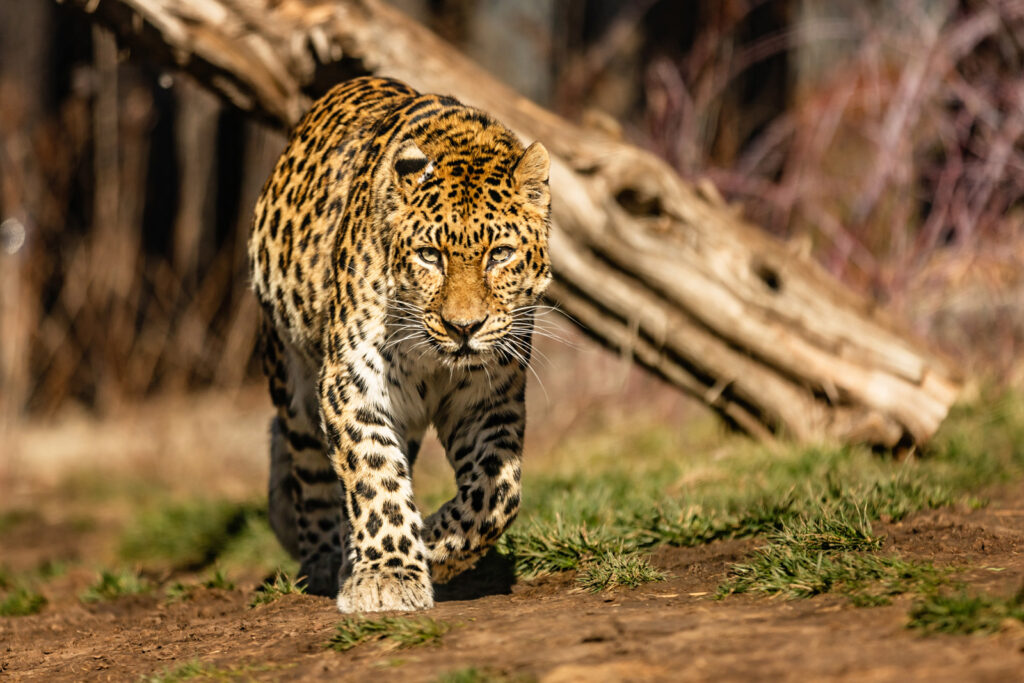
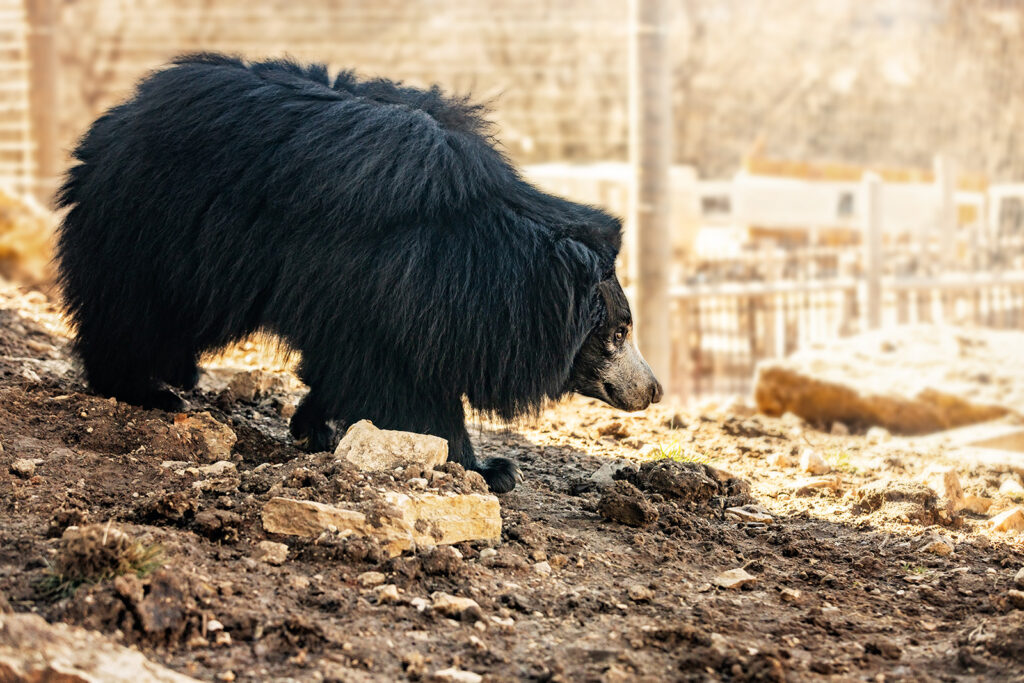
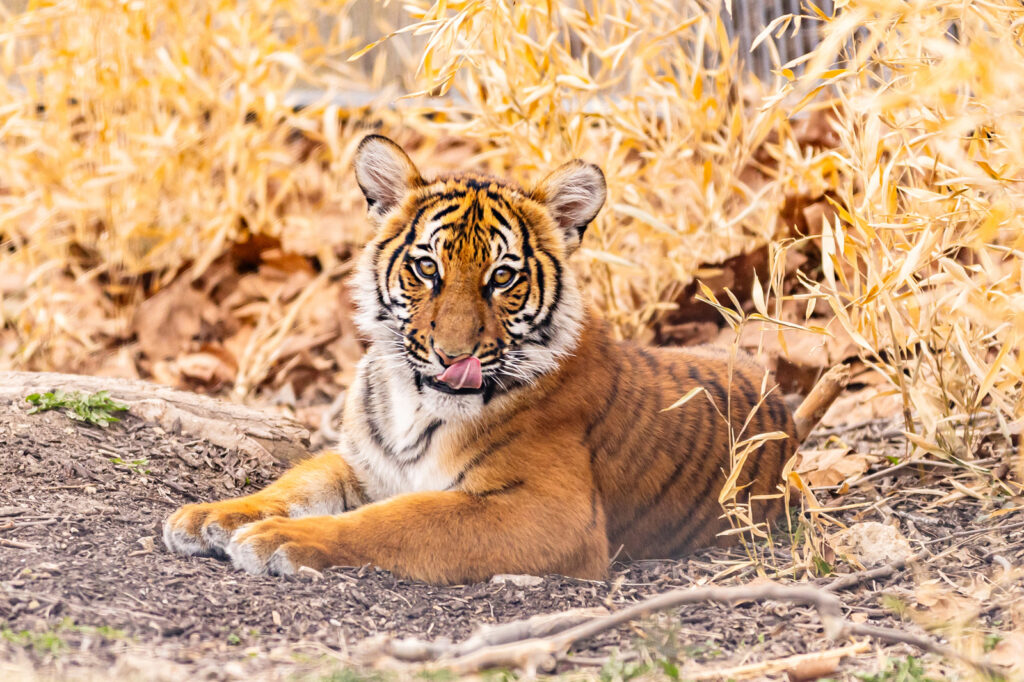
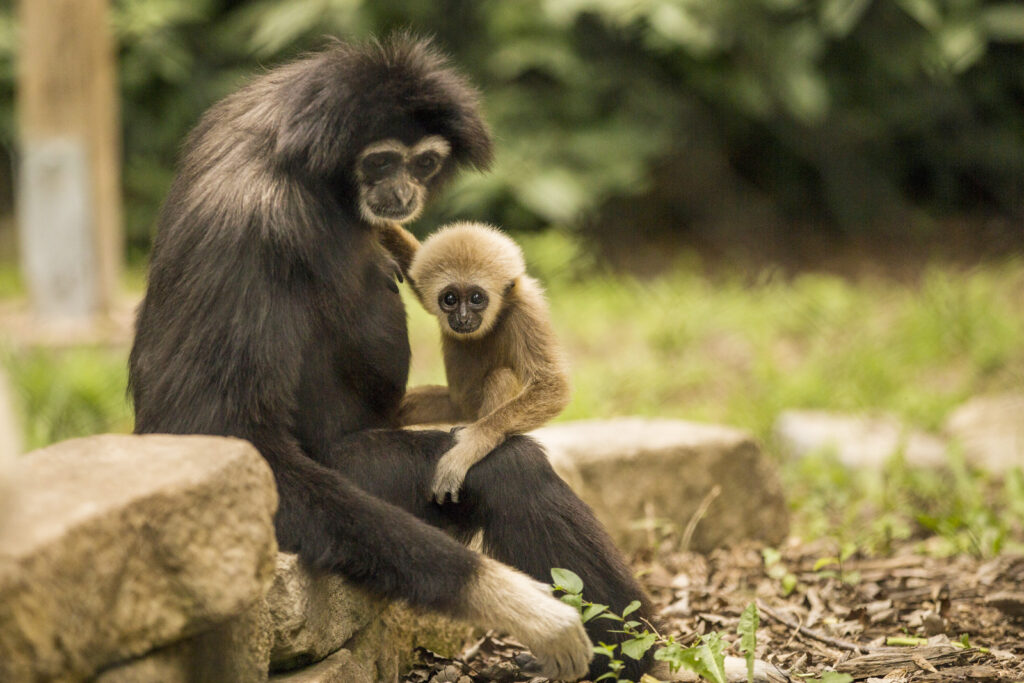
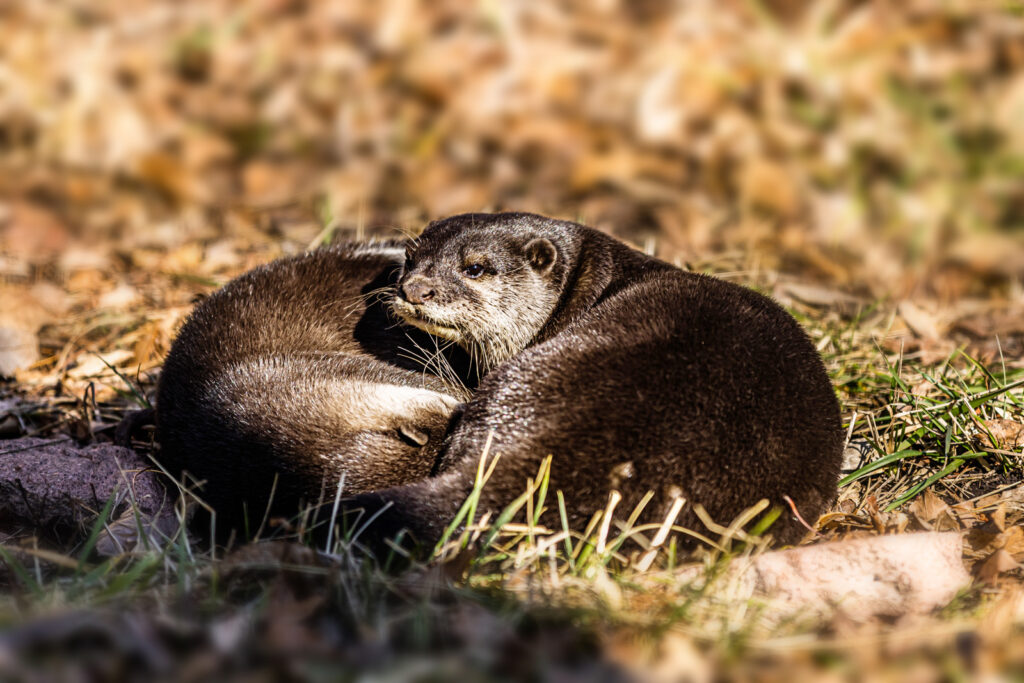
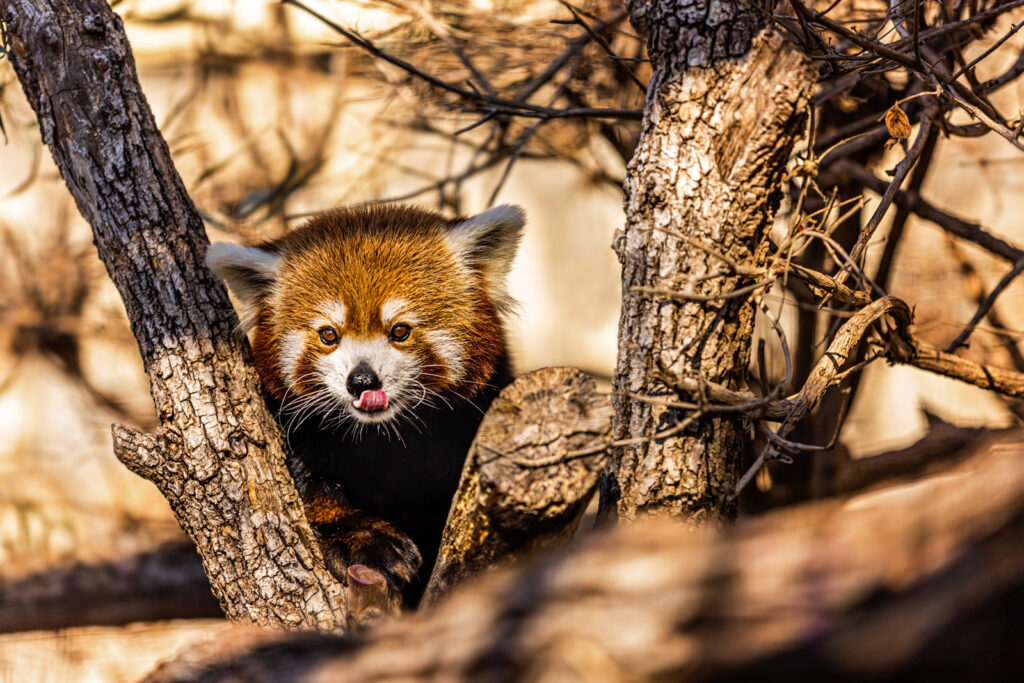
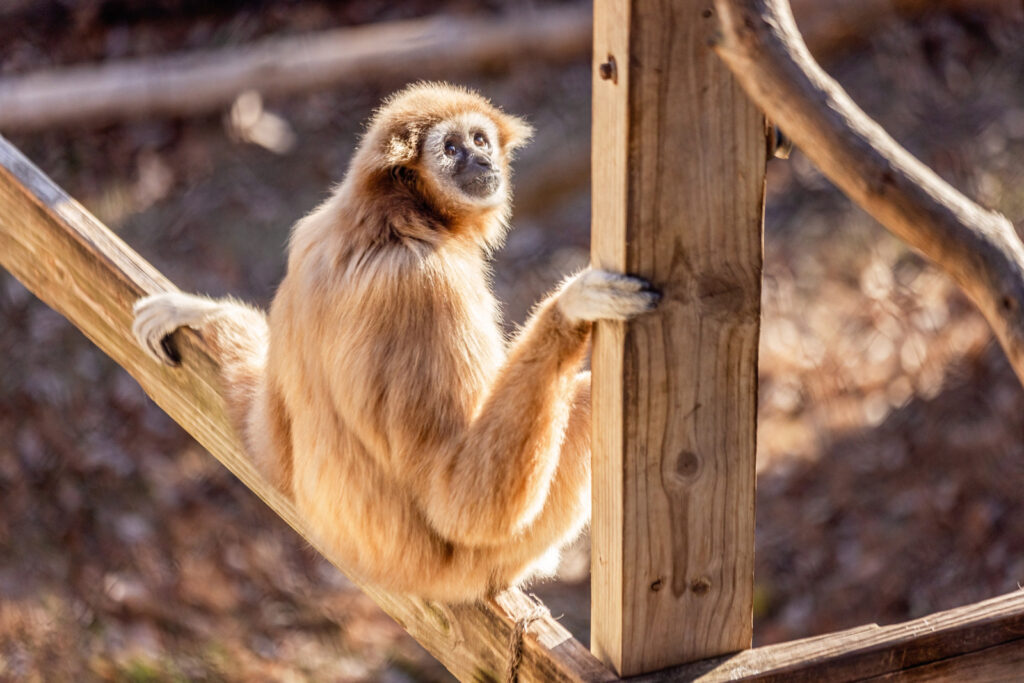
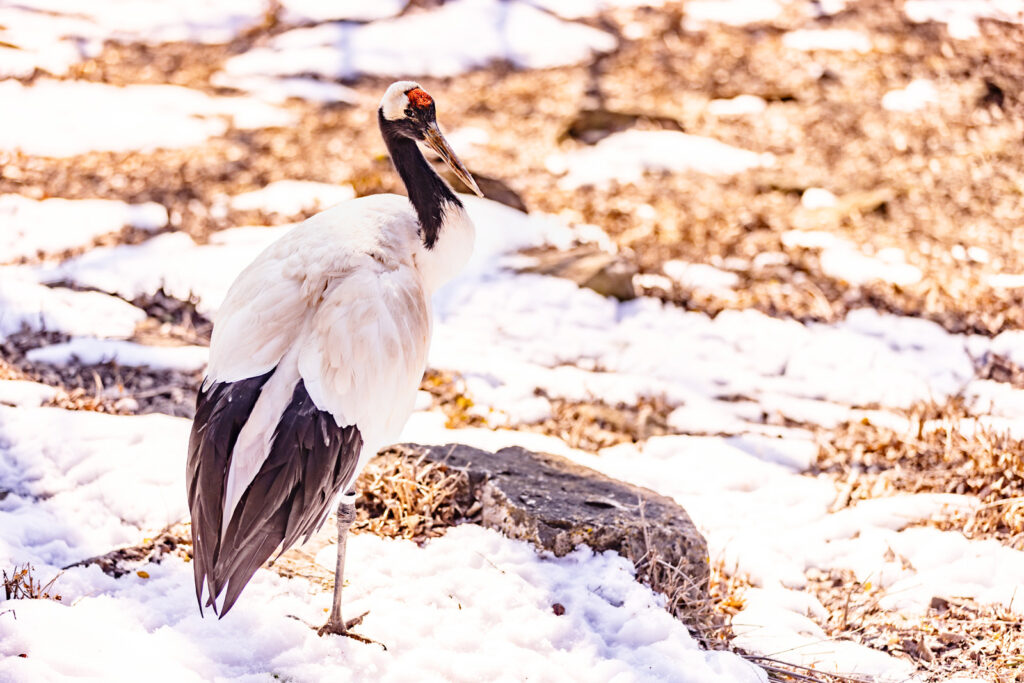
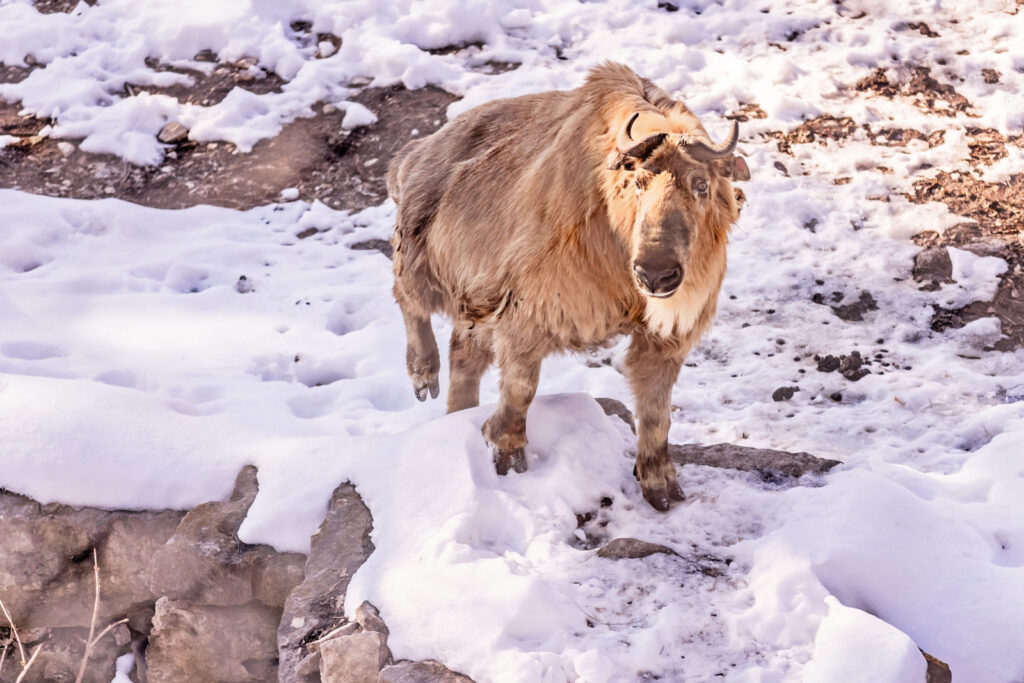
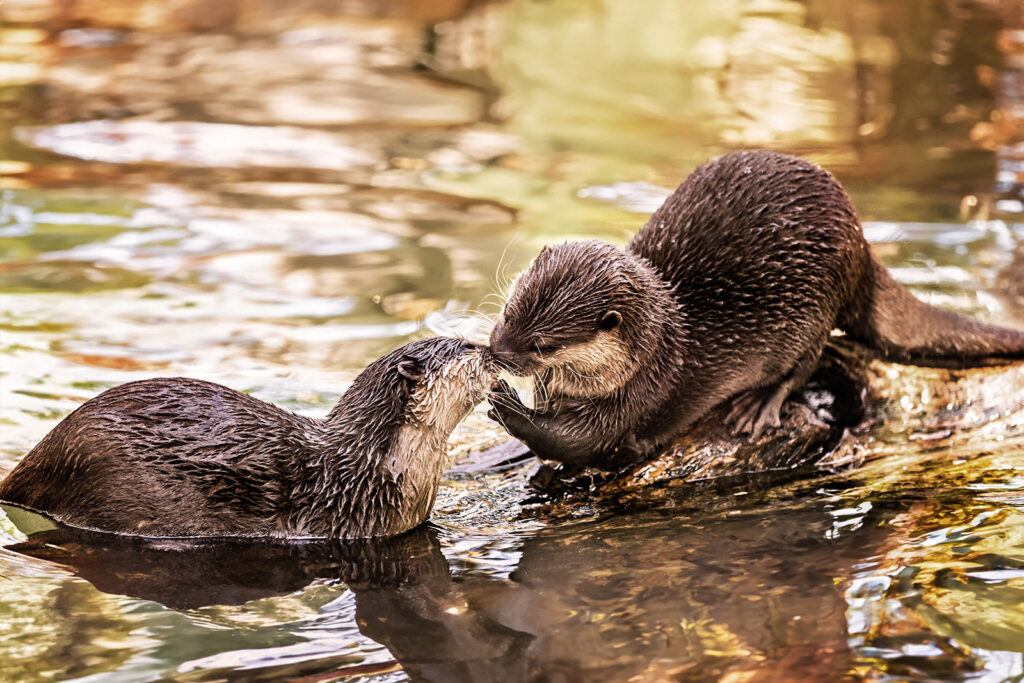
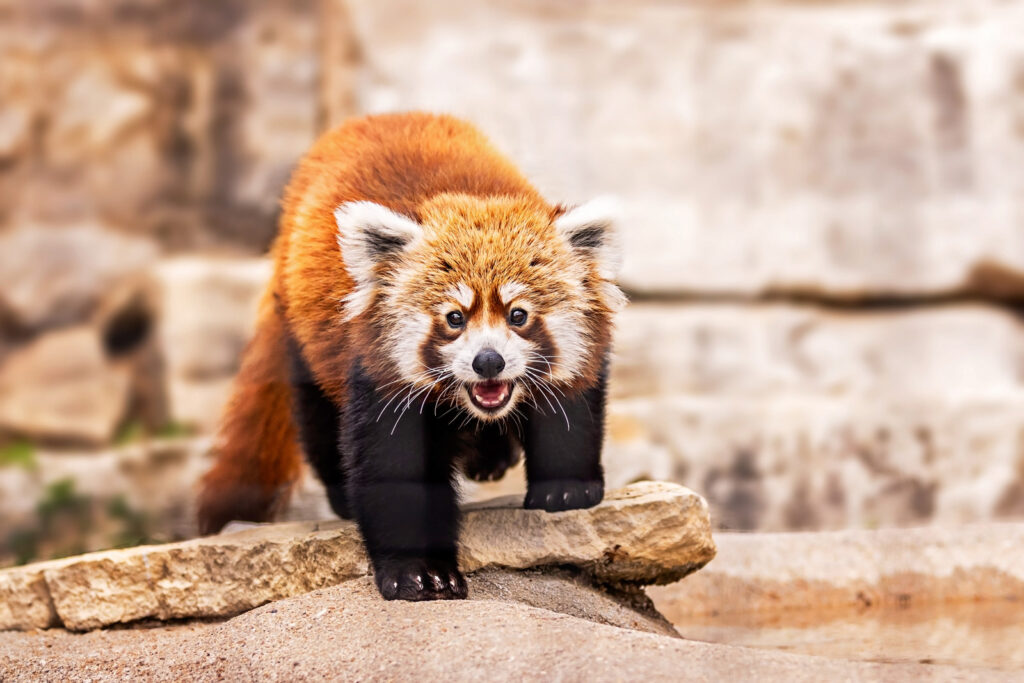
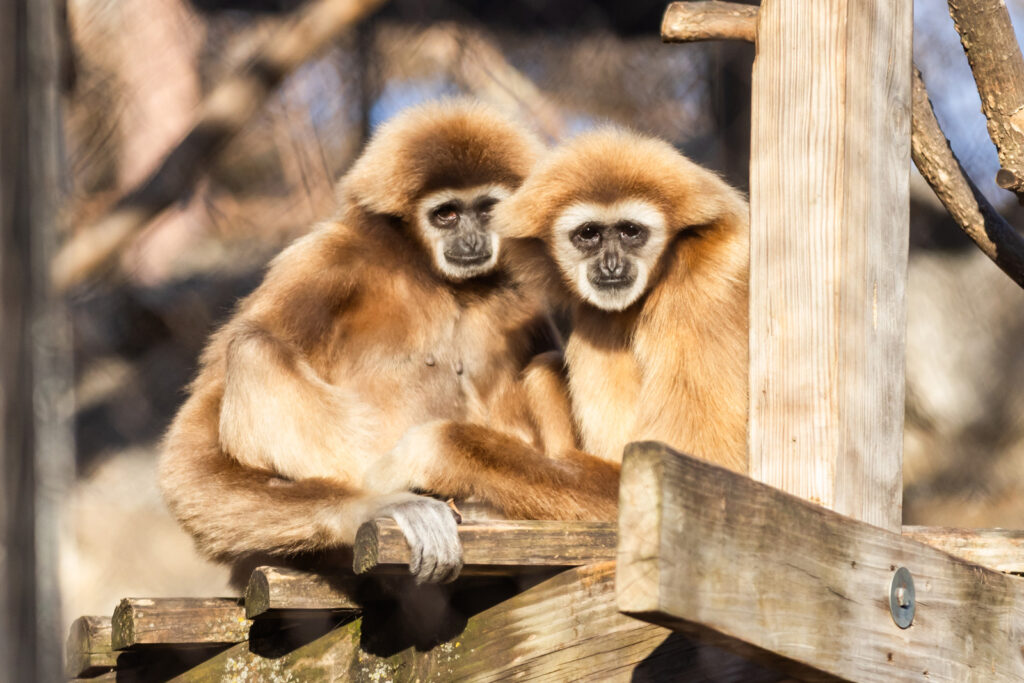
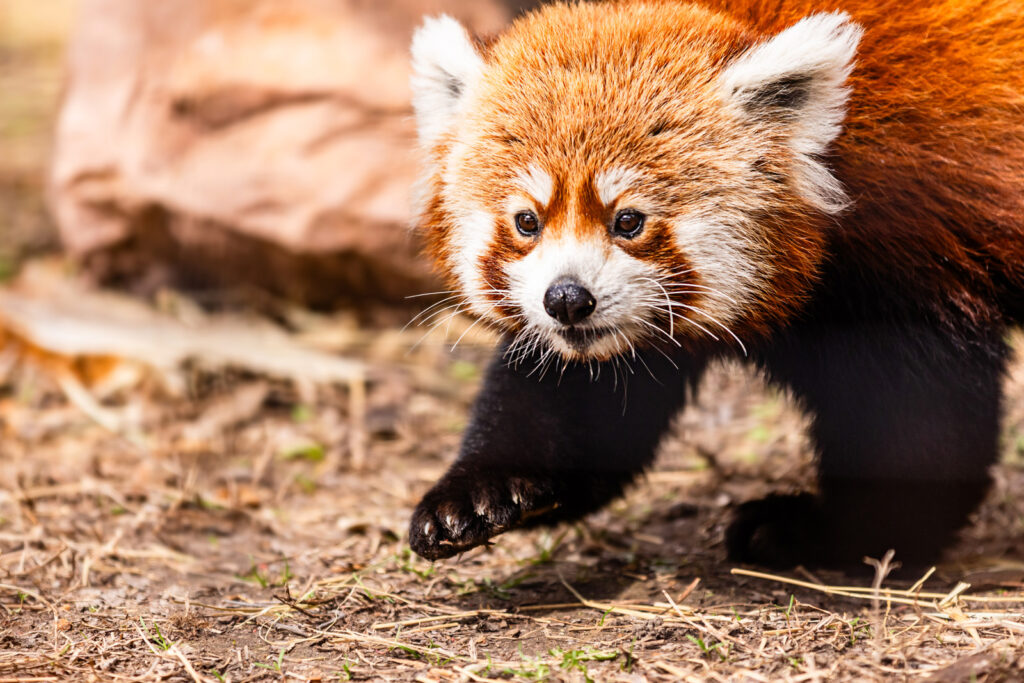
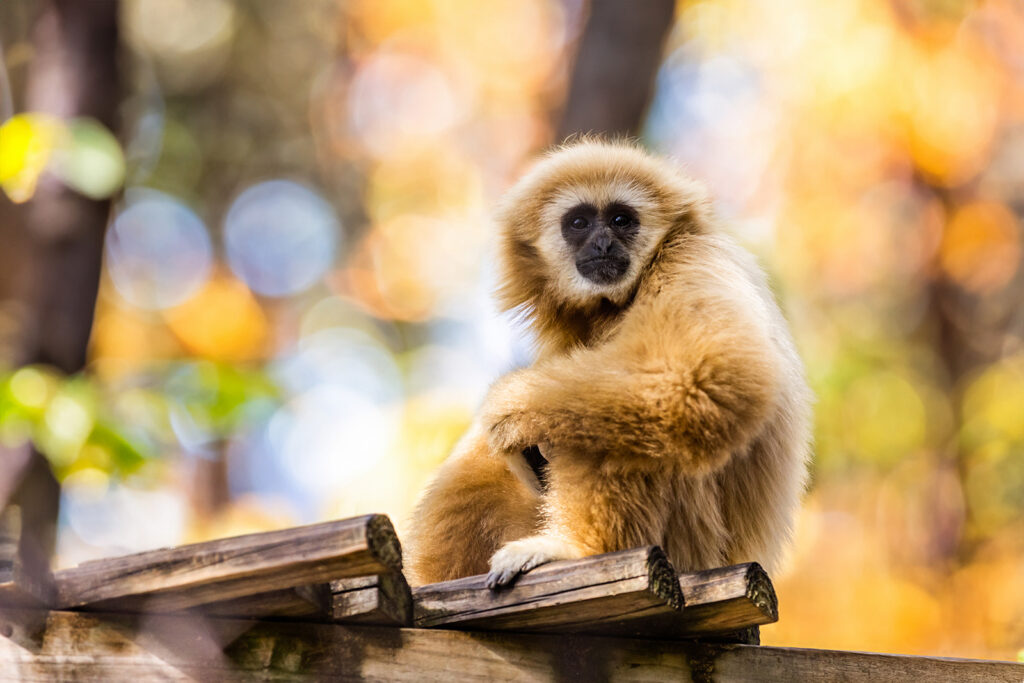
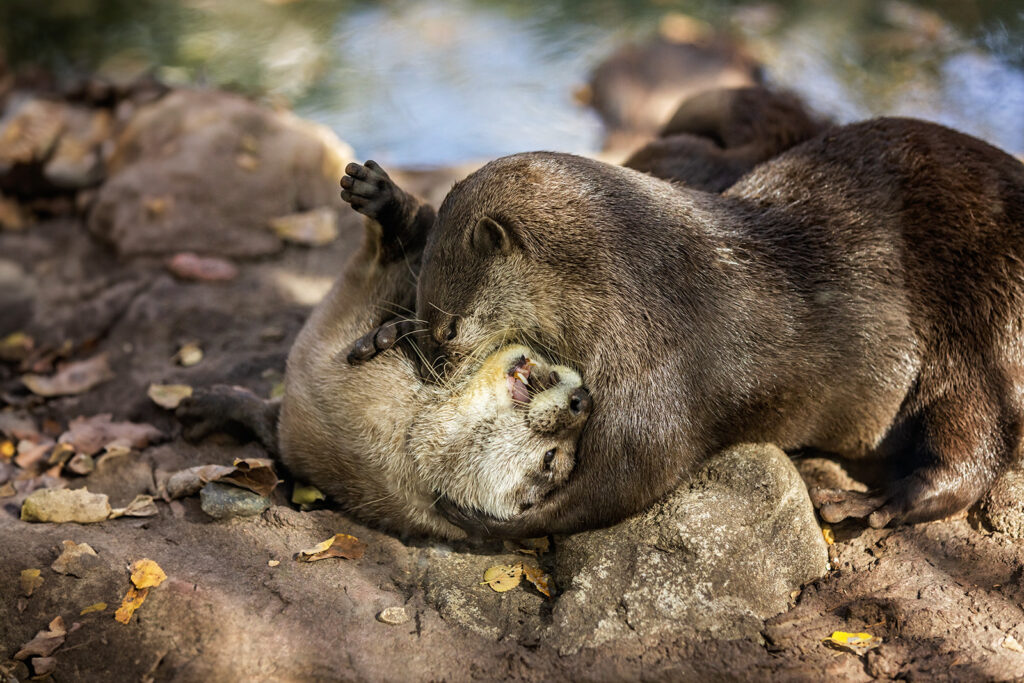
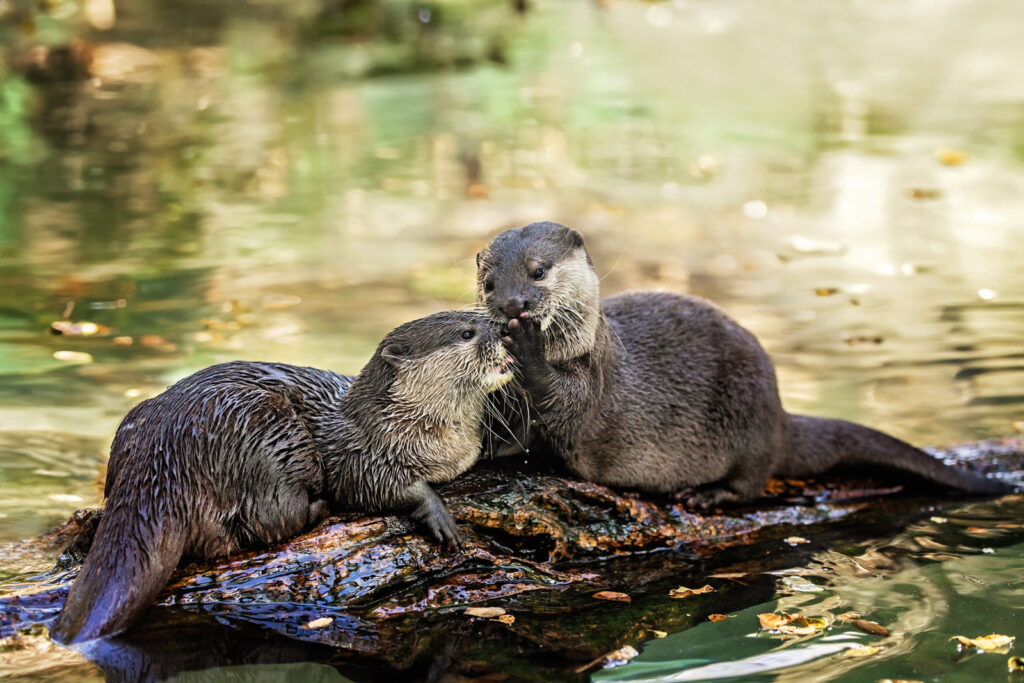
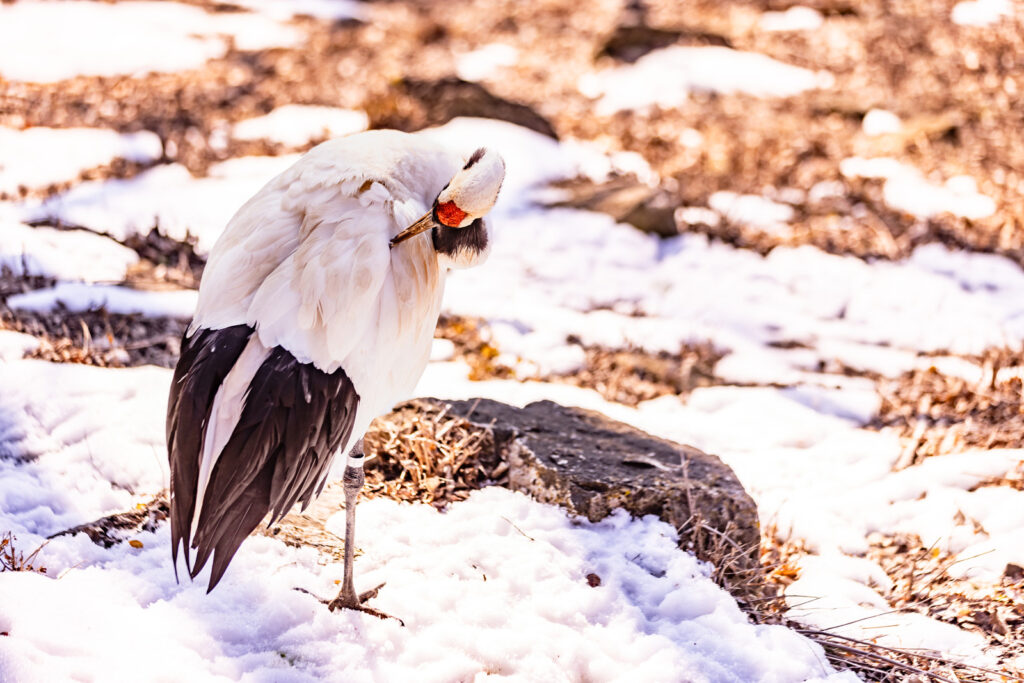
The Asian Trail also features Asian Small-Clawed Otters, White-Handed Gibbons, Red Pandas, the Red Crowned Crane, and more recently, the Sichuan Takin.
The African Trail
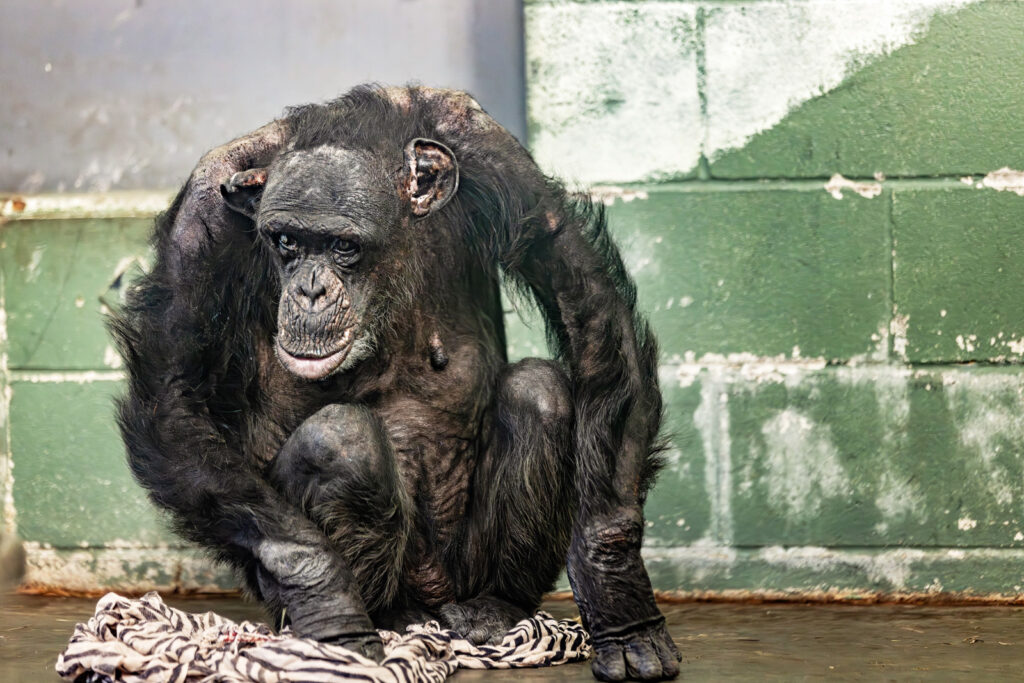
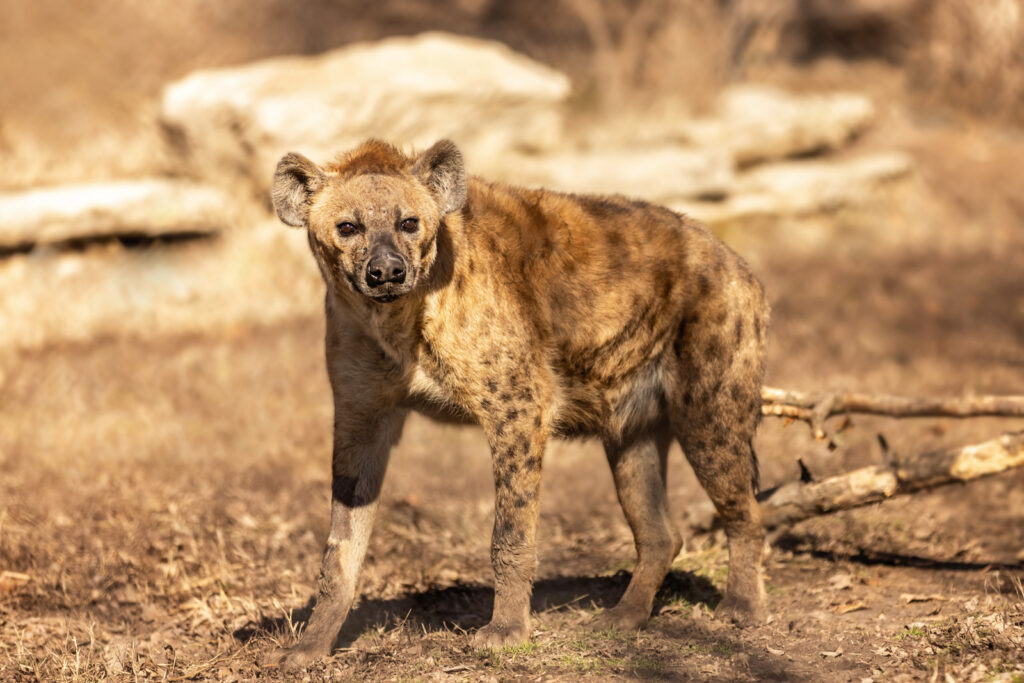
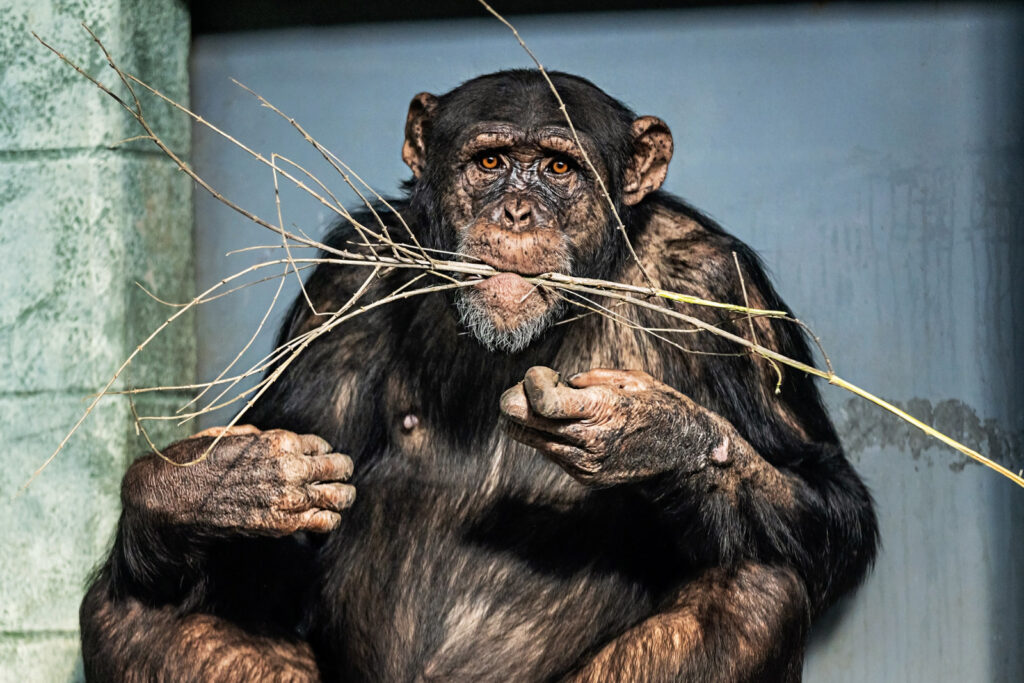
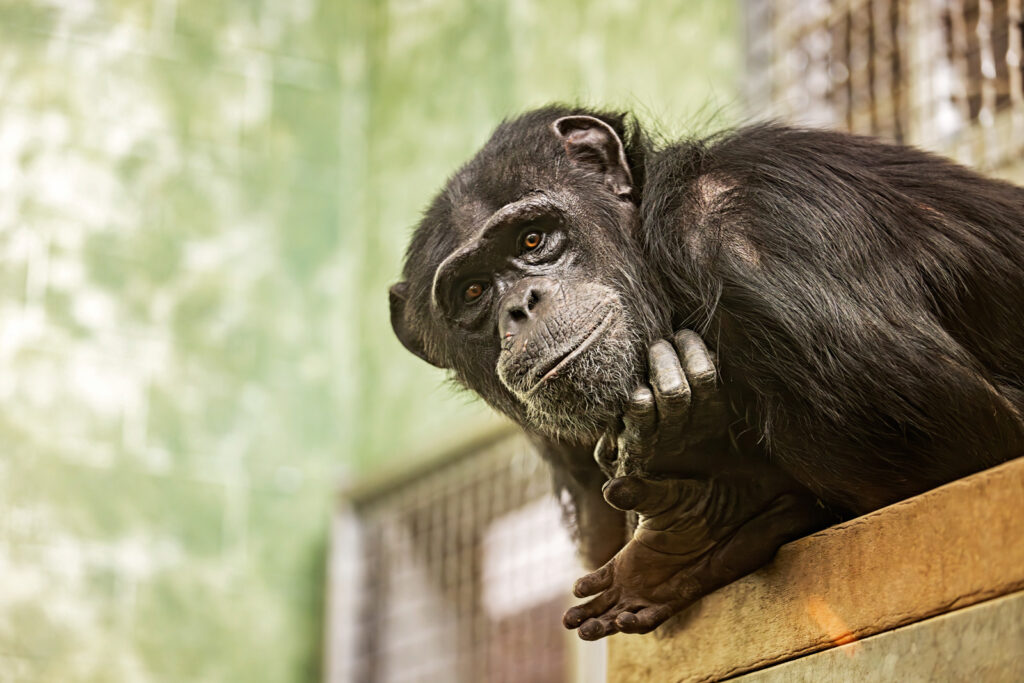
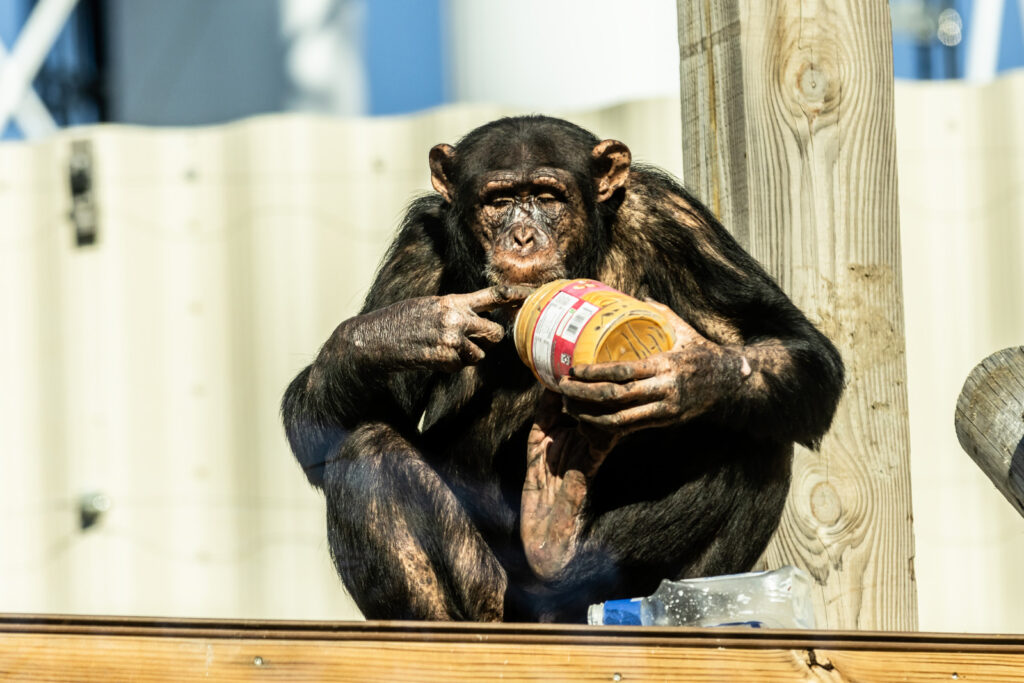
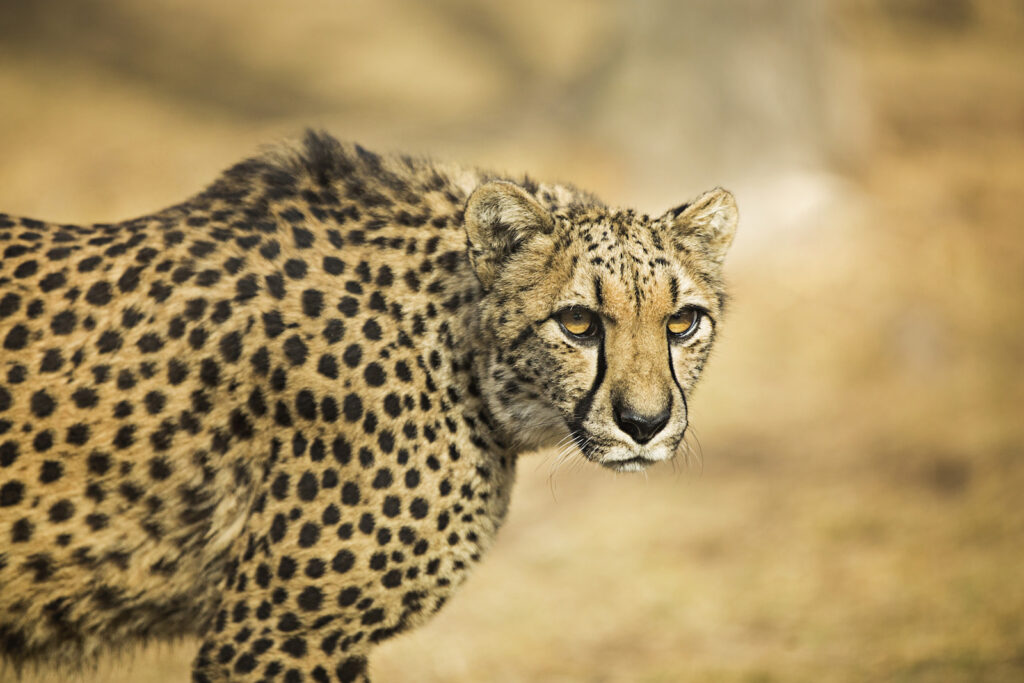
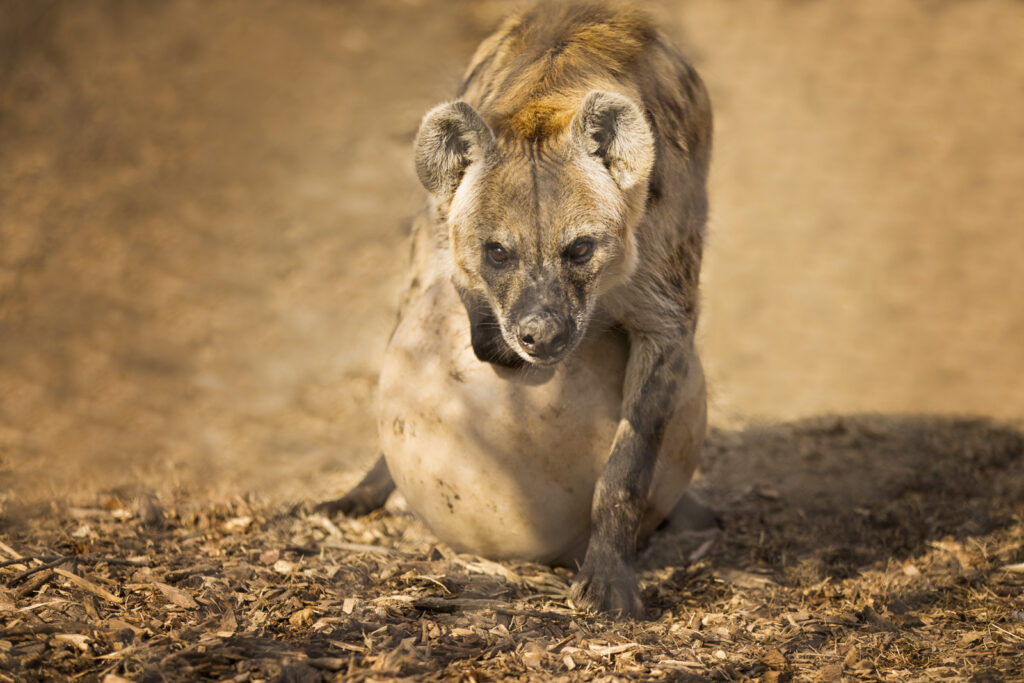
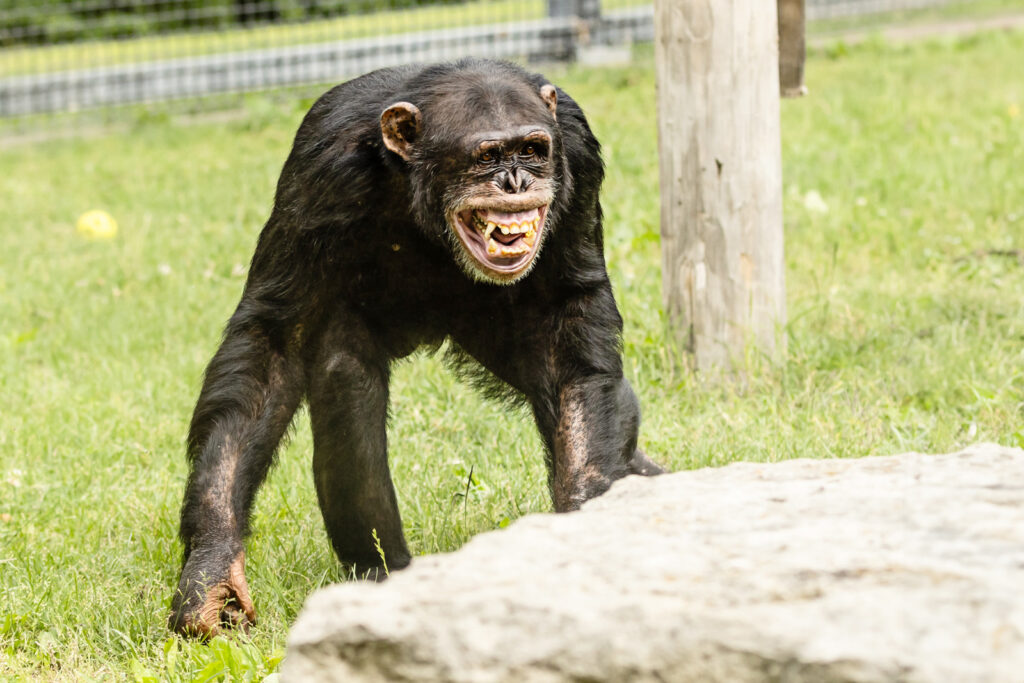
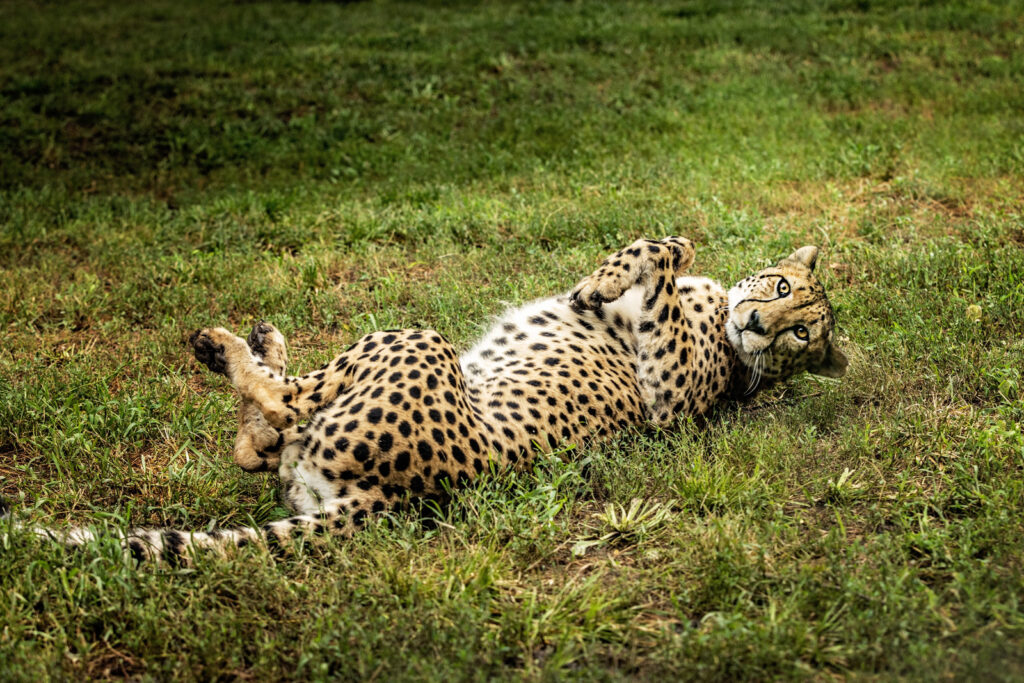
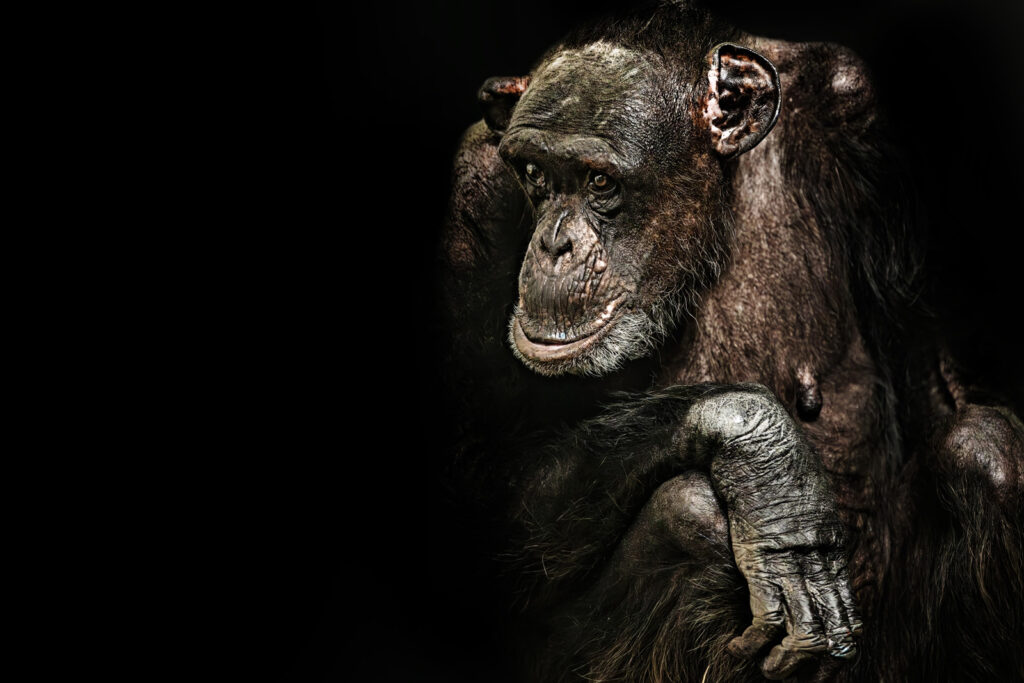
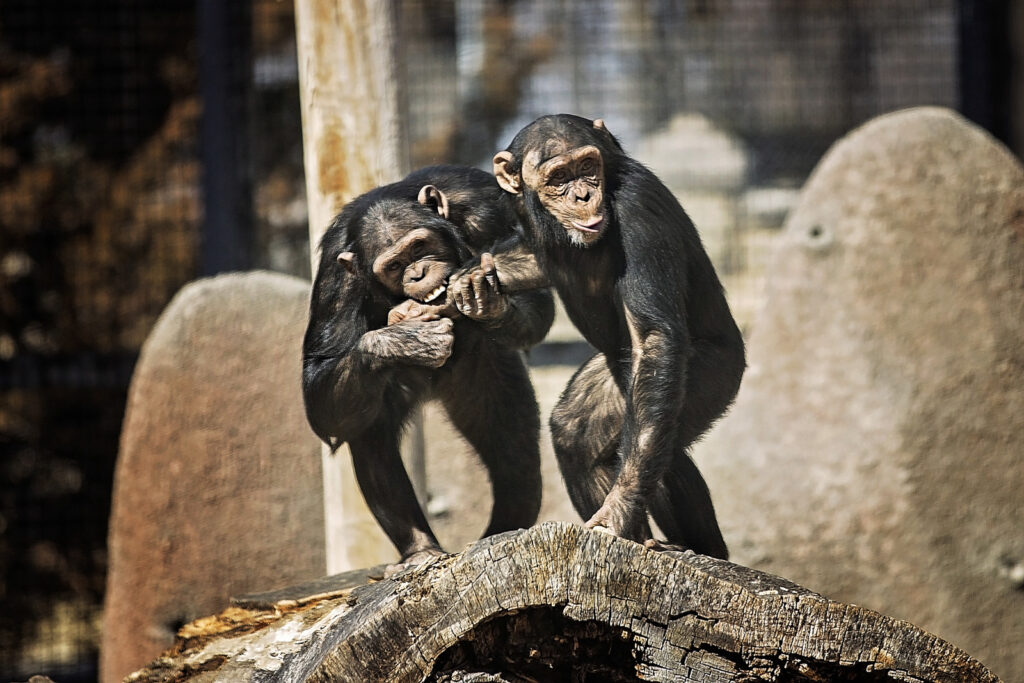
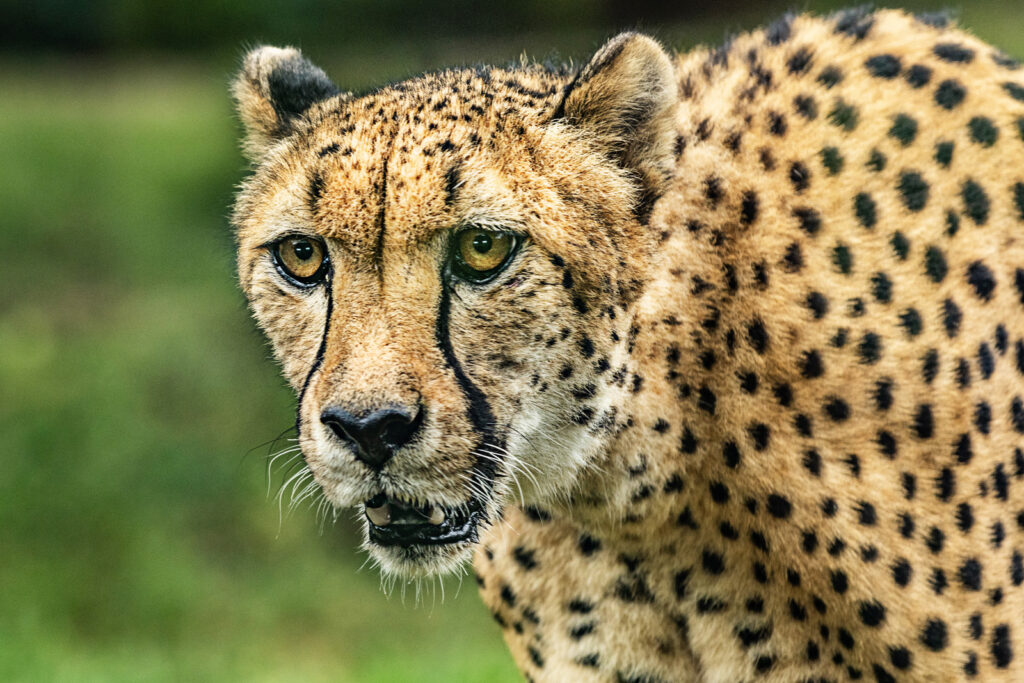
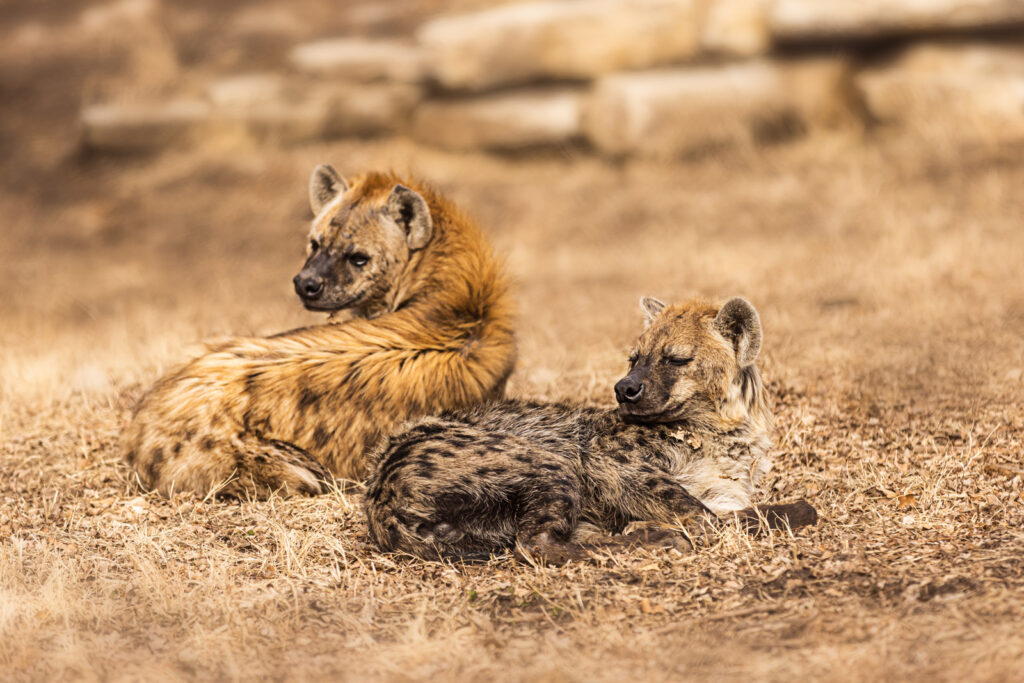
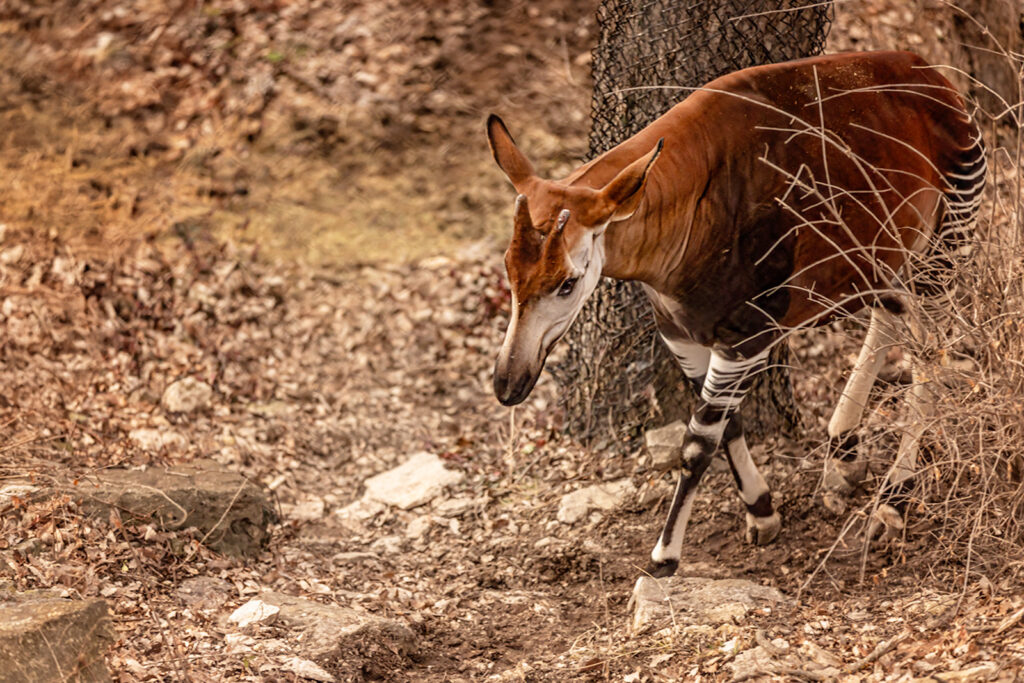
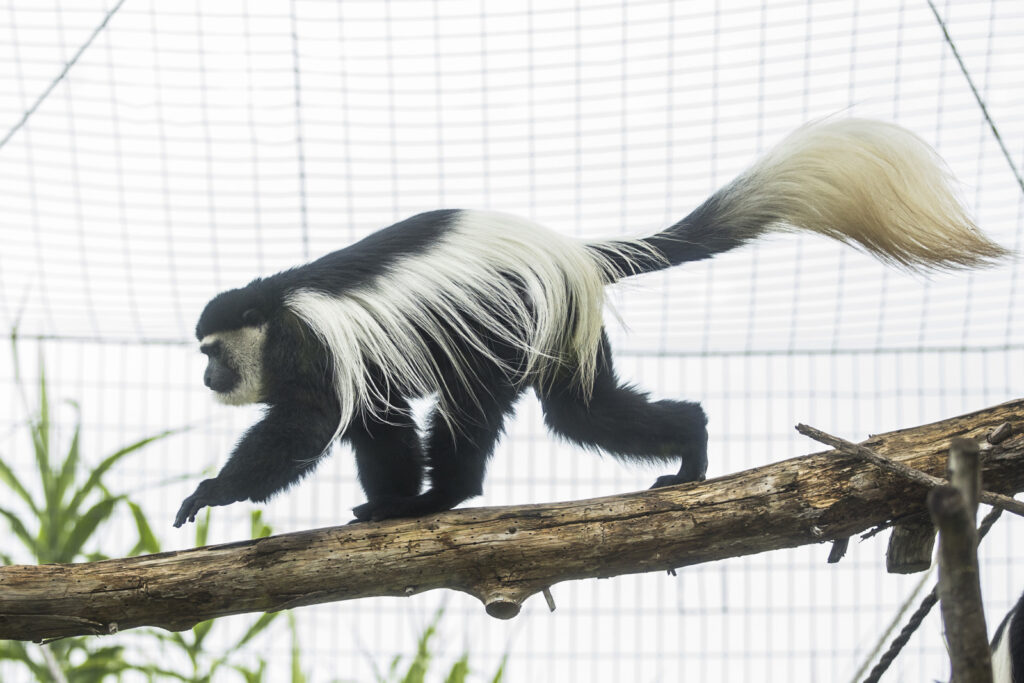
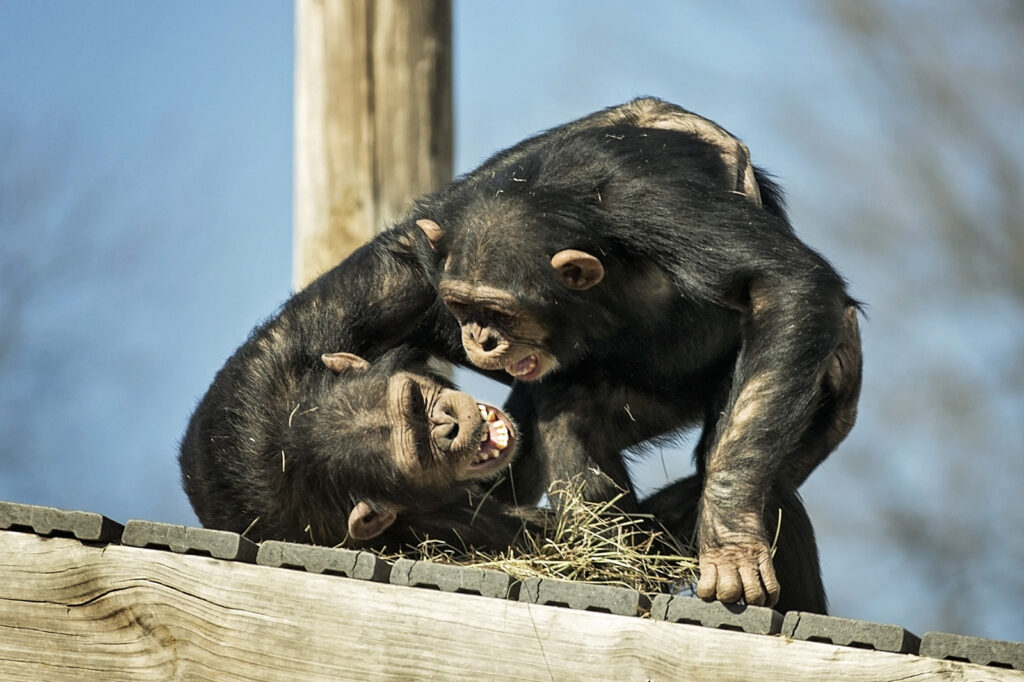
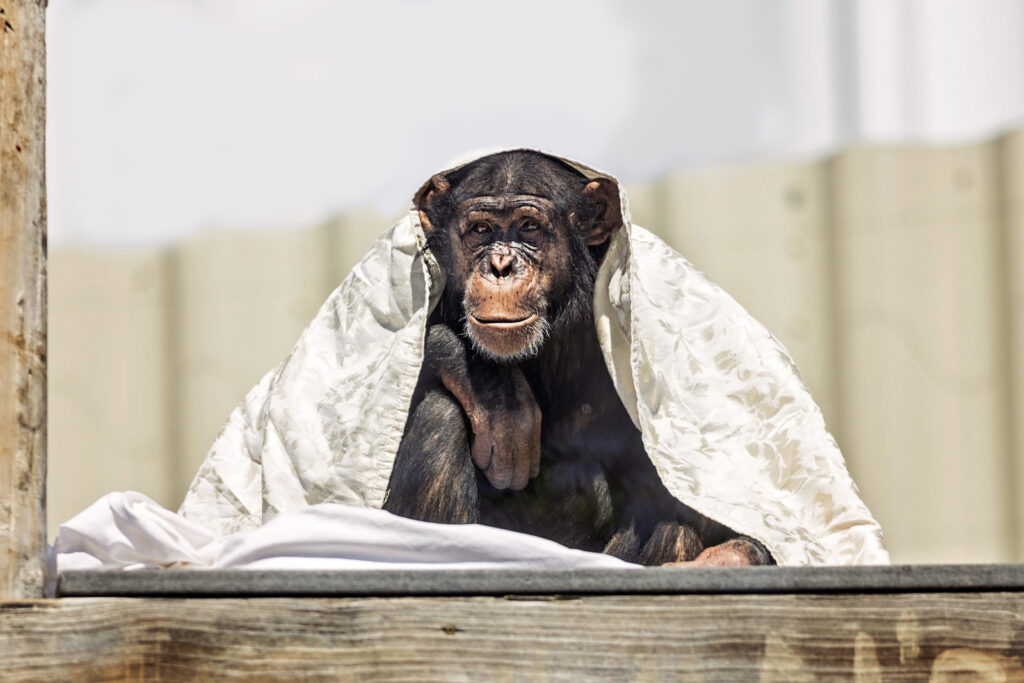
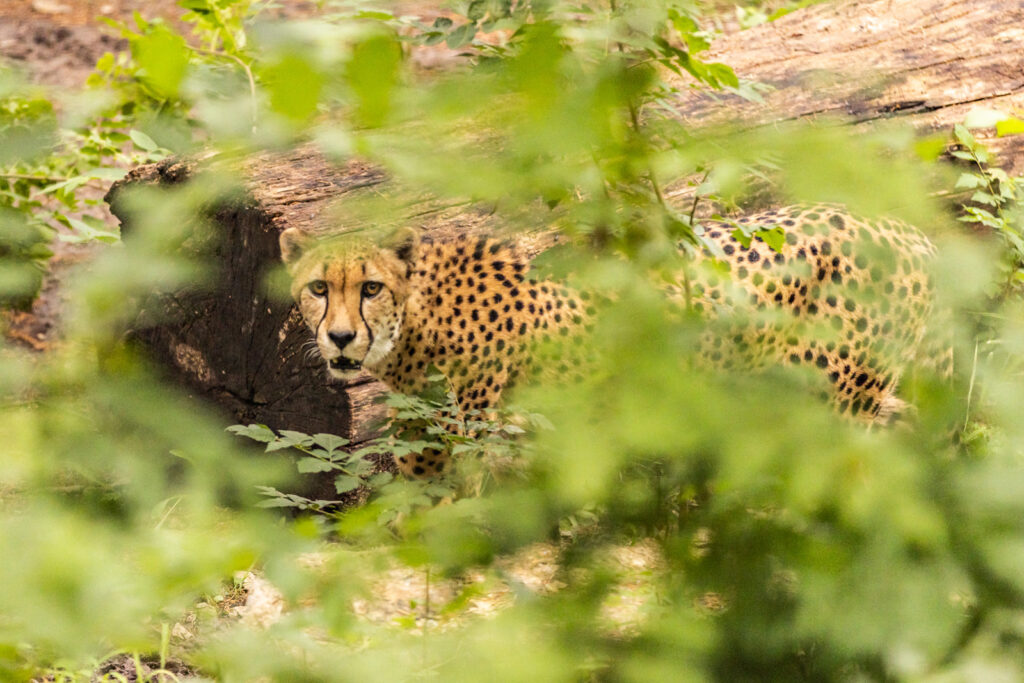
The African Trail at Sunset Zoo is defined by earthy textures, open sightlines, and a quiet, observational rhythm. Species such as chimpanzees, colobus monkeys, cheetahs, hyenas, and okapi relax in habitats designed to emphasize natural movement and form. Muted color palettes, rockwork, and grasses create a grounded visual backdrop.
The Australian Outback
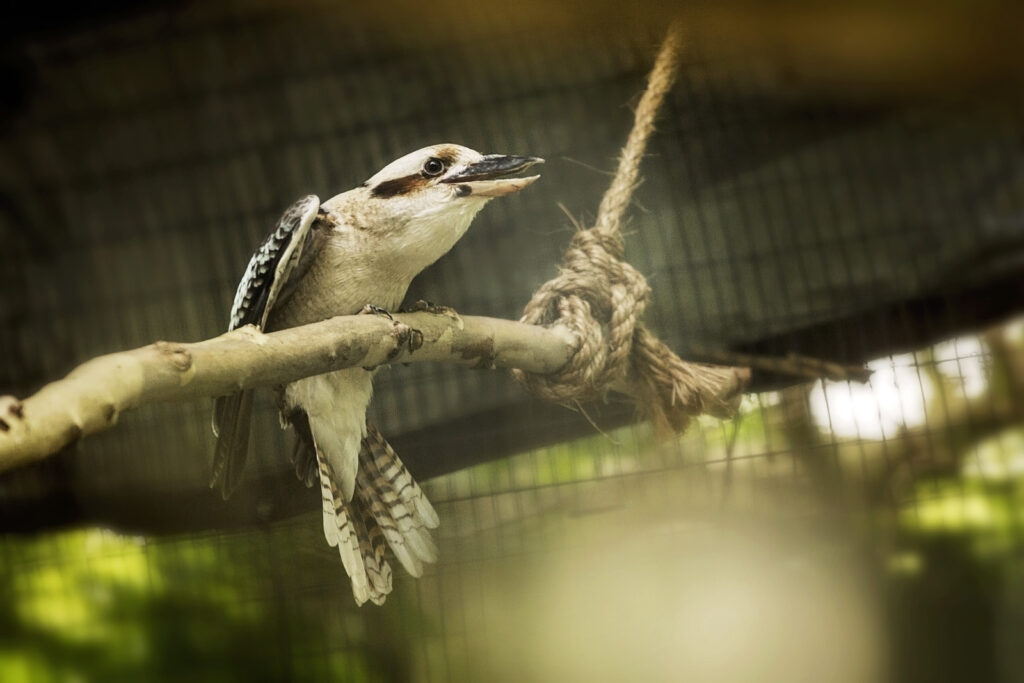
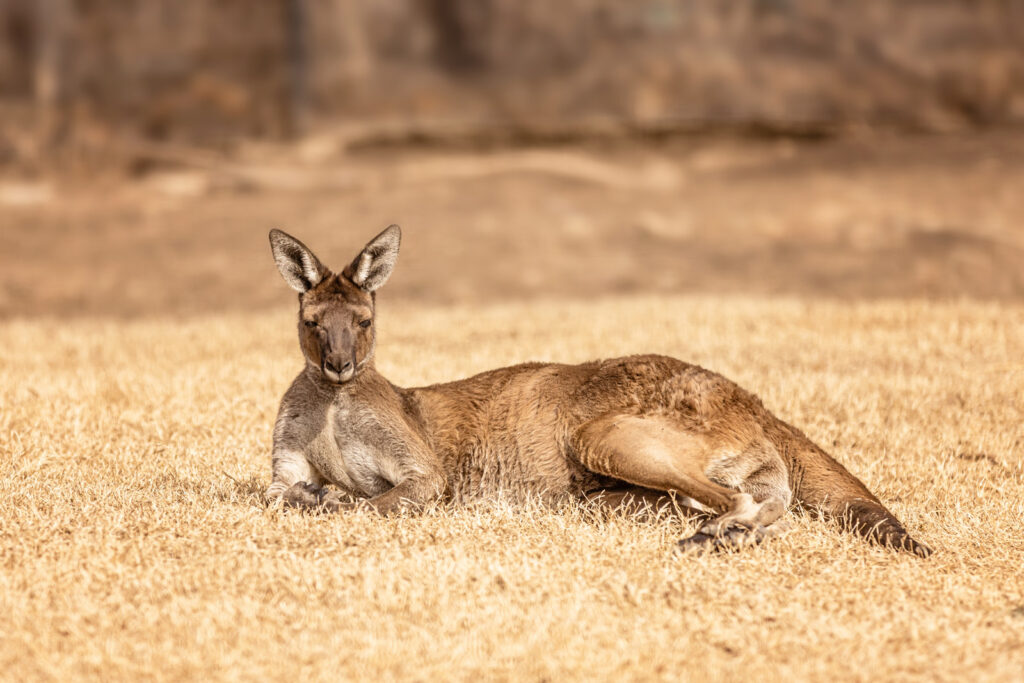
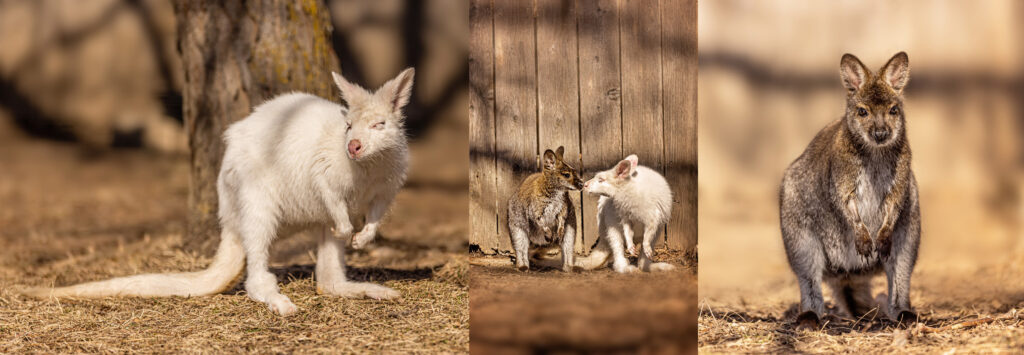
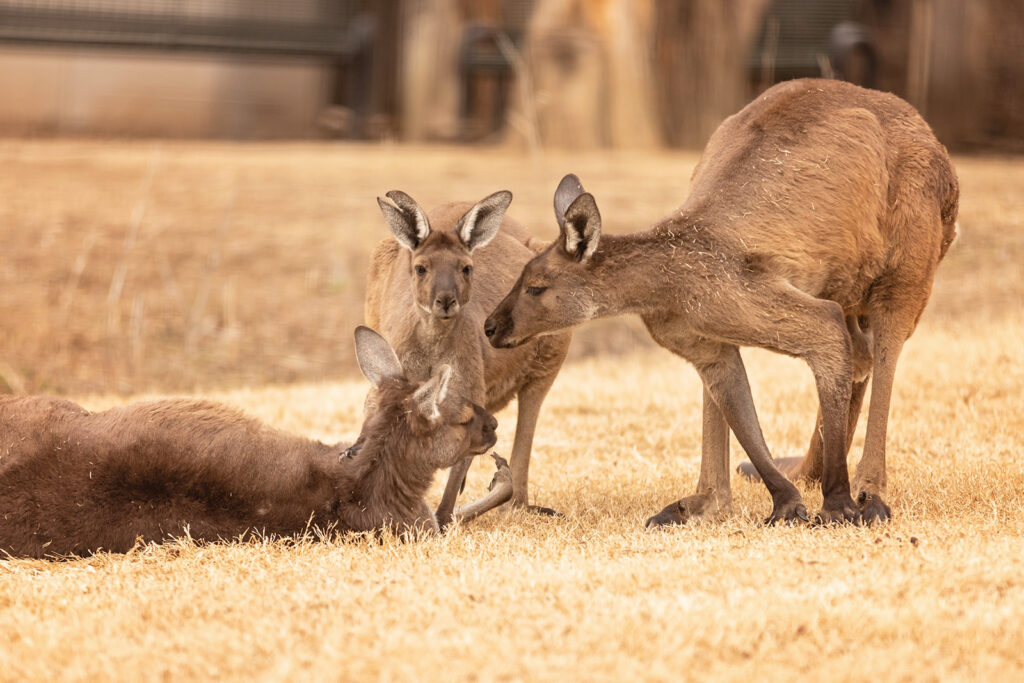
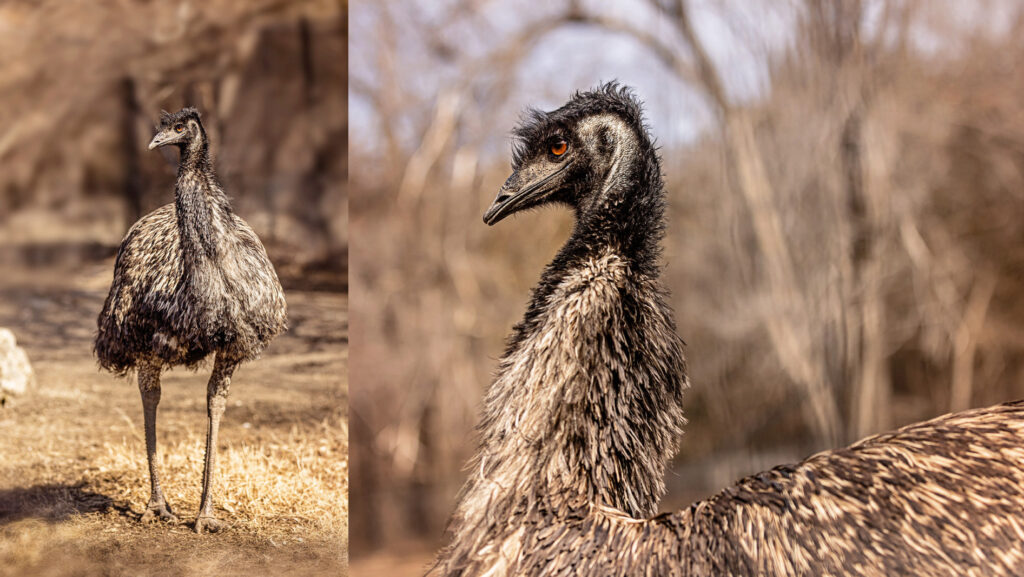
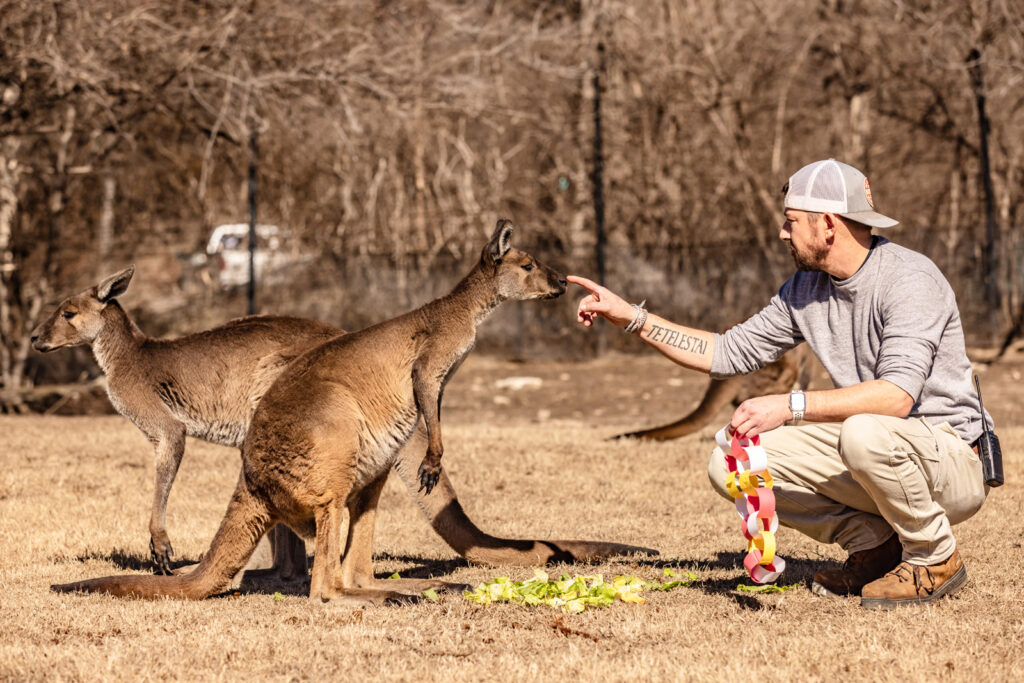
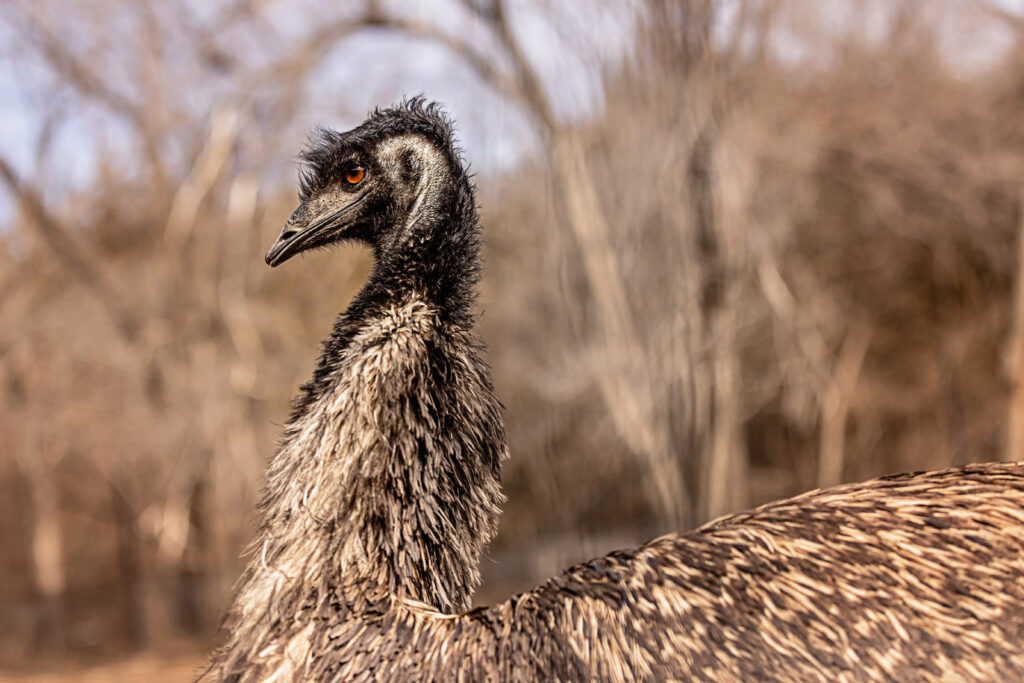
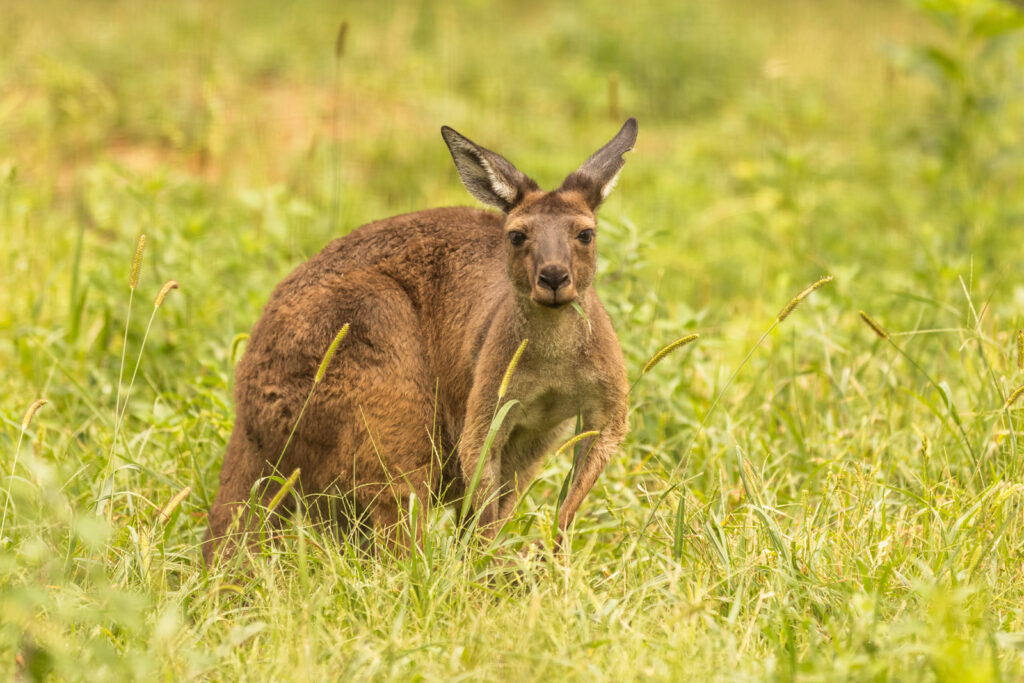
The Australian Outback at Sunset Zoo retains its open, sunlit character, but it is no longer a walk-about exhibit. Instead, visitors observe kangaroos, wallabies, and emus from designated viewing areas that preserve both safety and intimacy. The wide enclosure allows kangaroos and wallabies to lounge, graze, or retreat into quieter corners. This creates natural, uncluttered compositions that emphasize negative space and posture. A close-range viewing area offers the chance for more immediate encounters when animals approach.
Most often, it is the emus who confidently step forward, their tall frames, curious stares, and distinctive low drumming sounds adding both presence and atmosphere. For photographers, this setup encourages patience and anticipation, rewarding those who wait with striking portraits, subtle behavioral moments, and audio-visual memories that linger long after the shutter clicks.
The Americas
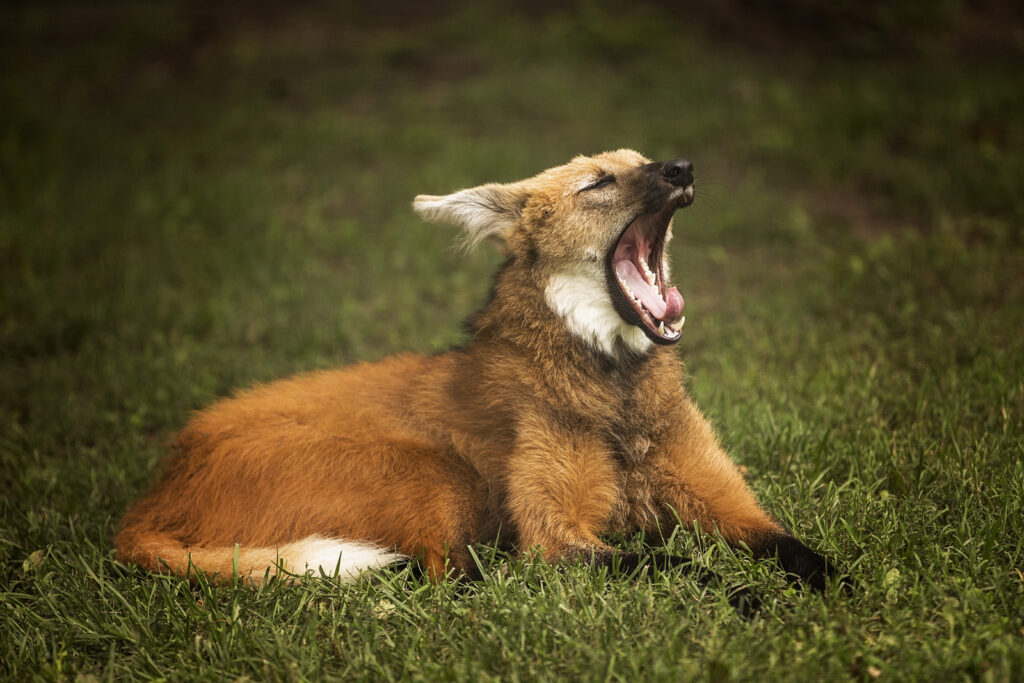
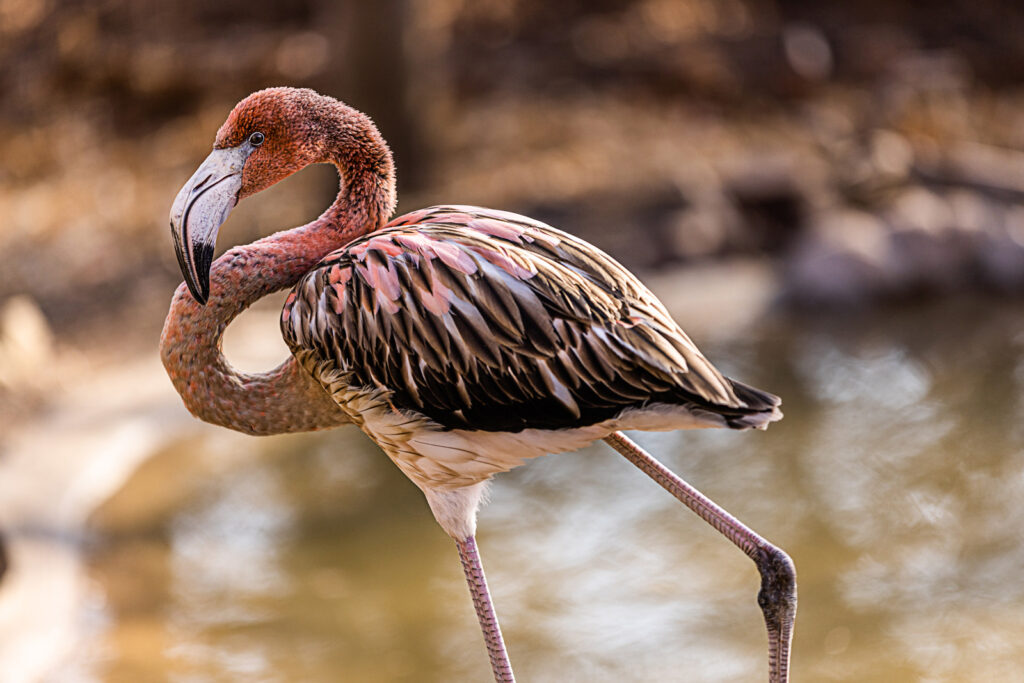
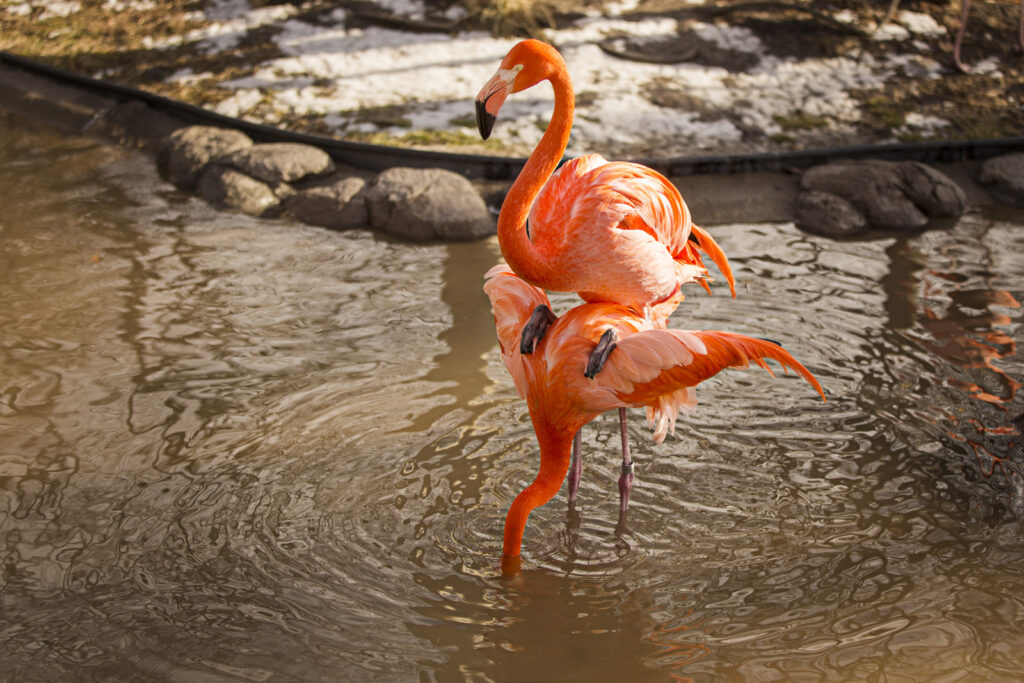
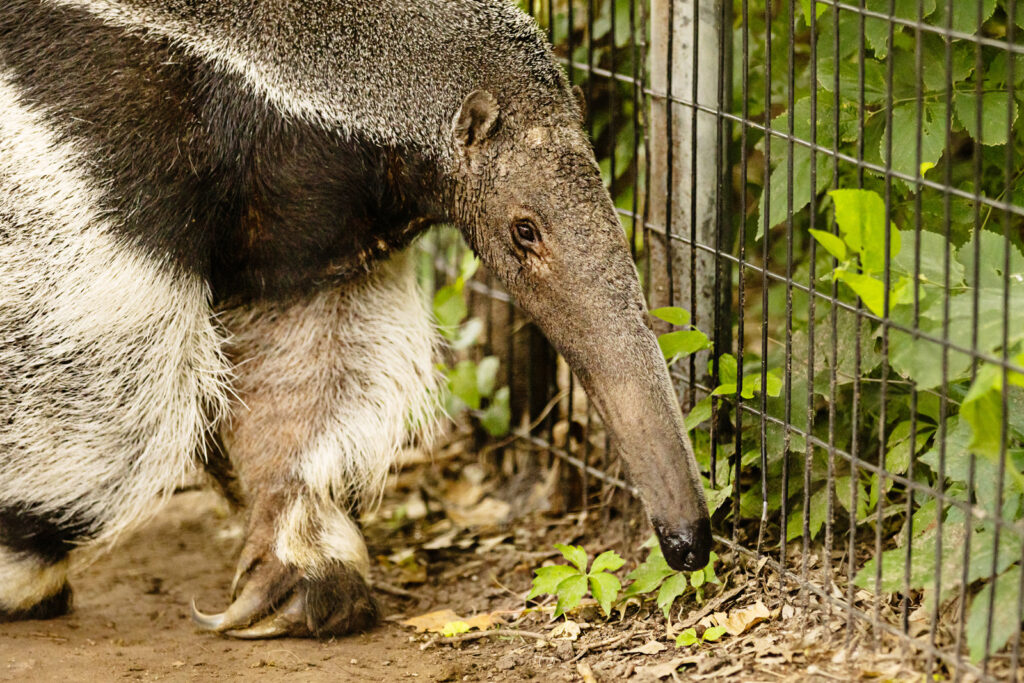
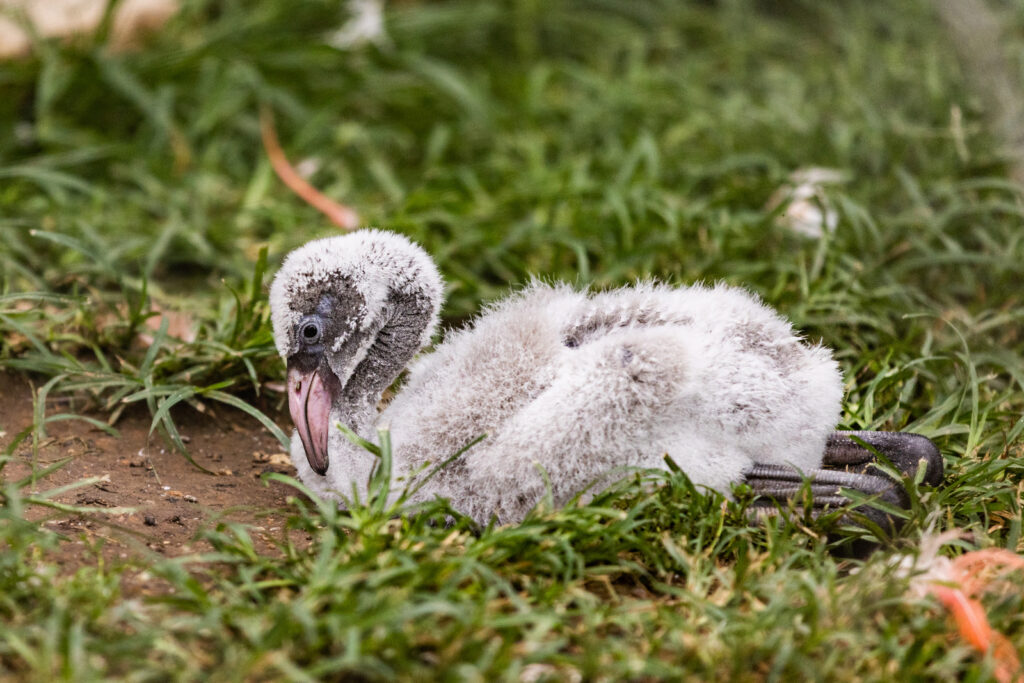
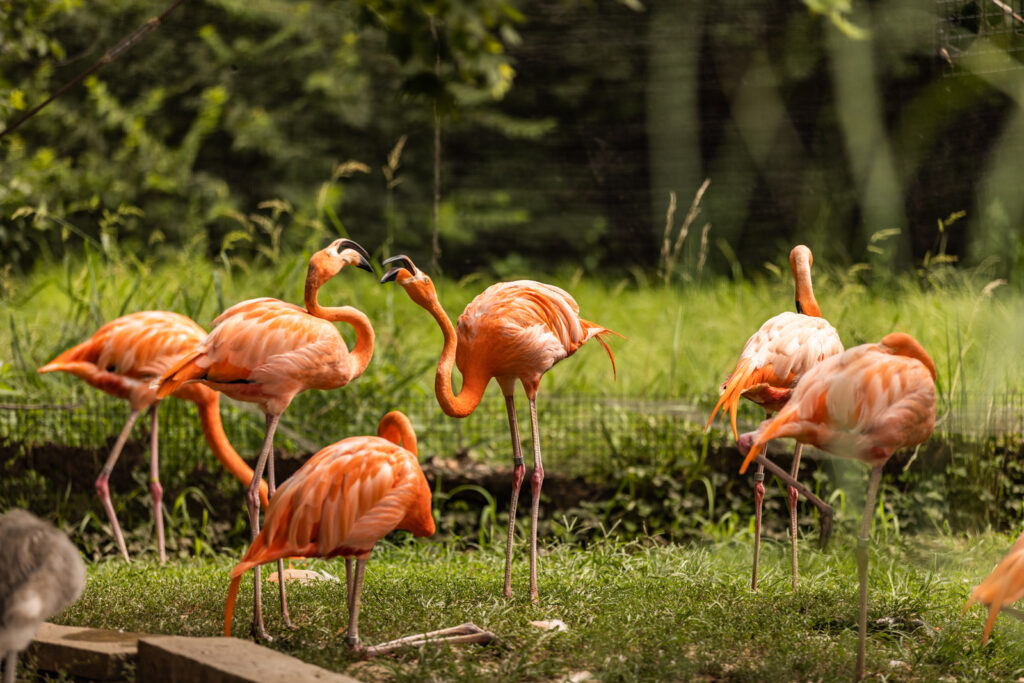
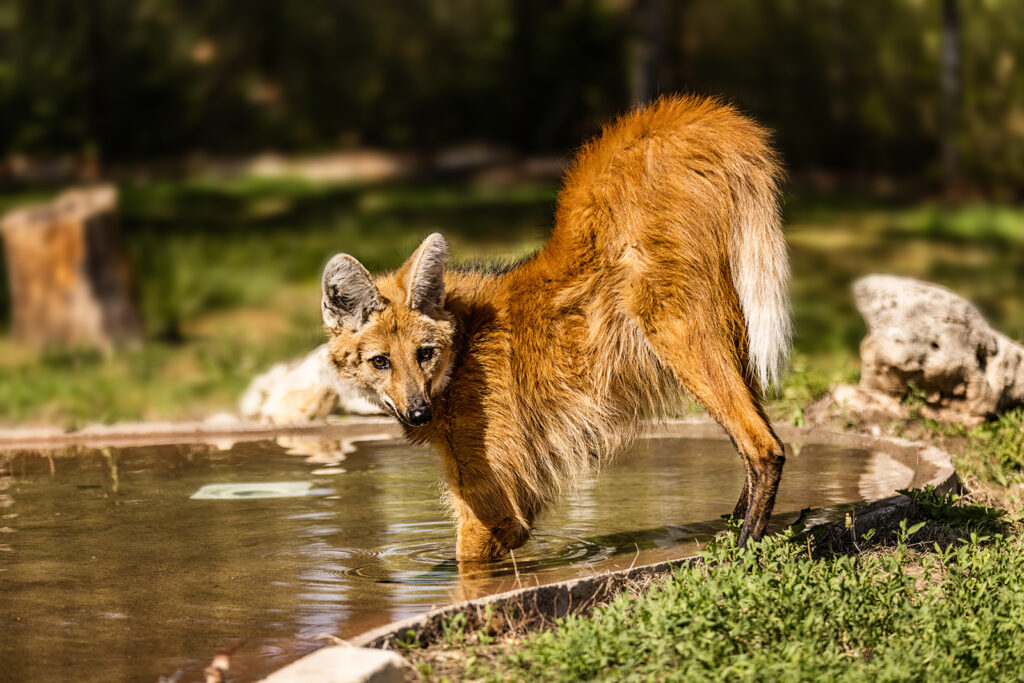
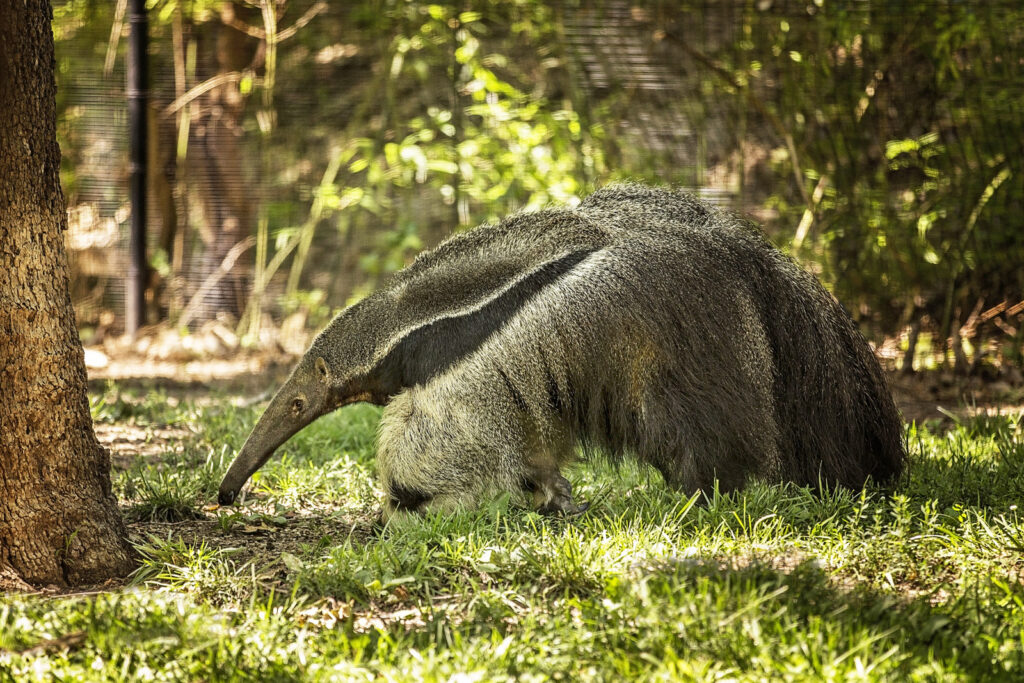
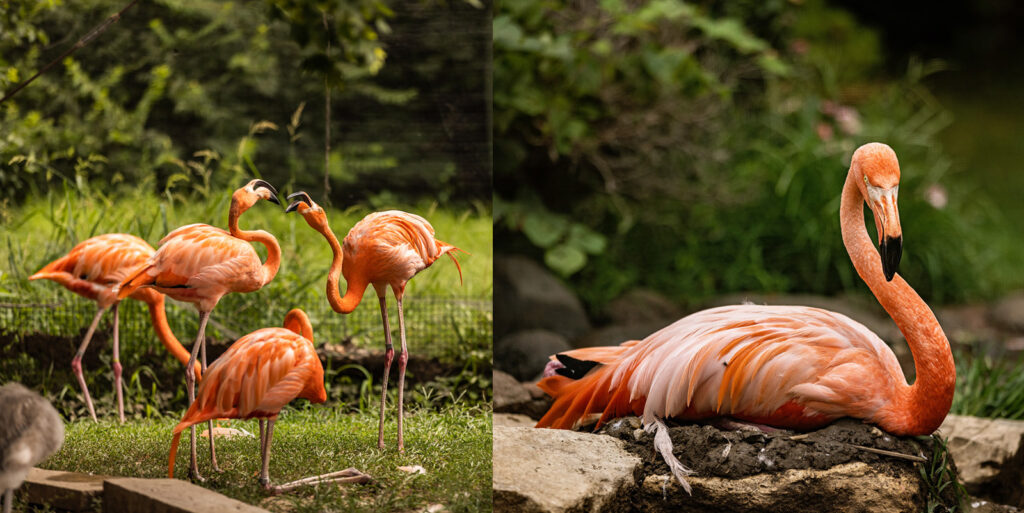
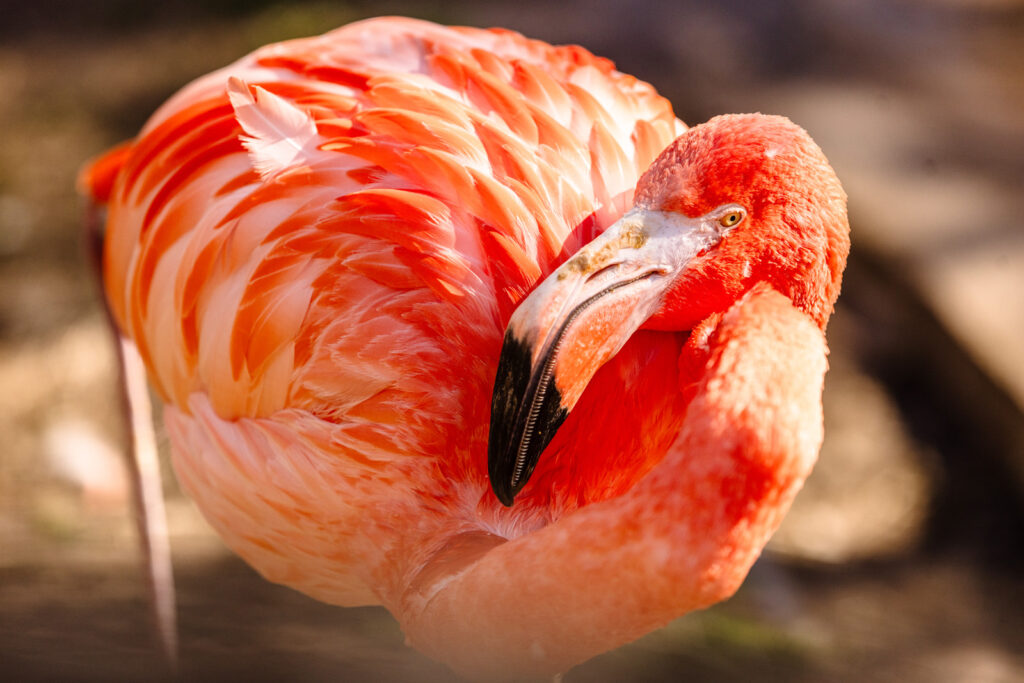
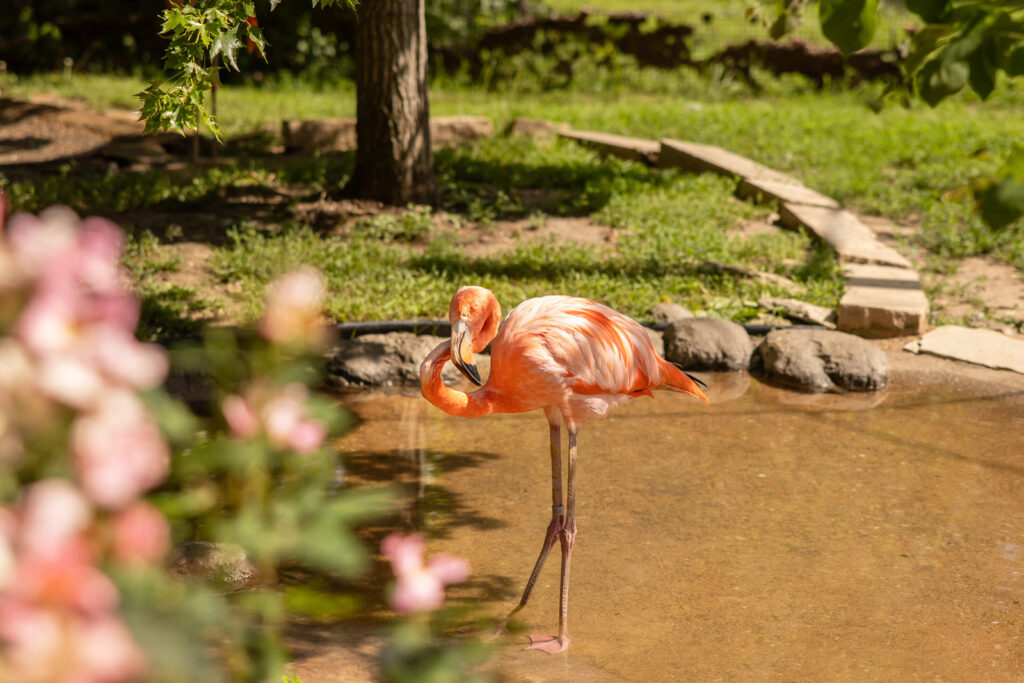
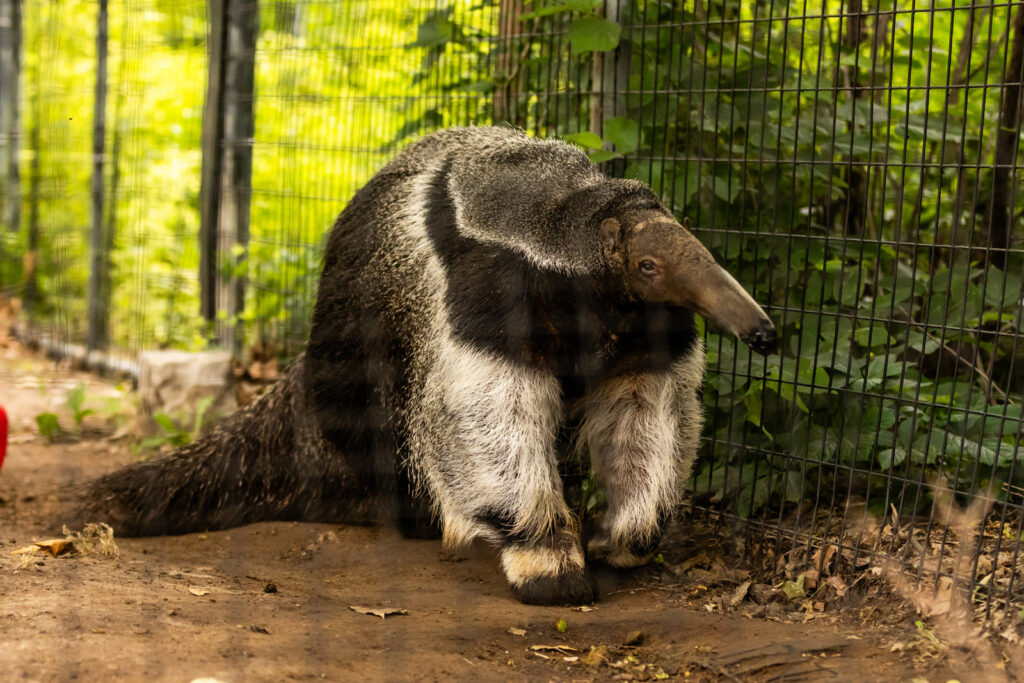
While Sunset Zoo’s Expedition Asia and African Trail offer dramatic big-cat sightings and lush forest vibes, the Americas Trail brings a different kind of photographic richness. This portion of the zoo showcases species native to the Americas and nearby regions. You’ll enjoy the long-legged silhouette of the Great Maned Wolf who shares space with the Giant Anteater. On the other side of the pavilion, be sure to step into the flamingo enclosure. If you’re lucky, you might even see some flamingo chicks!
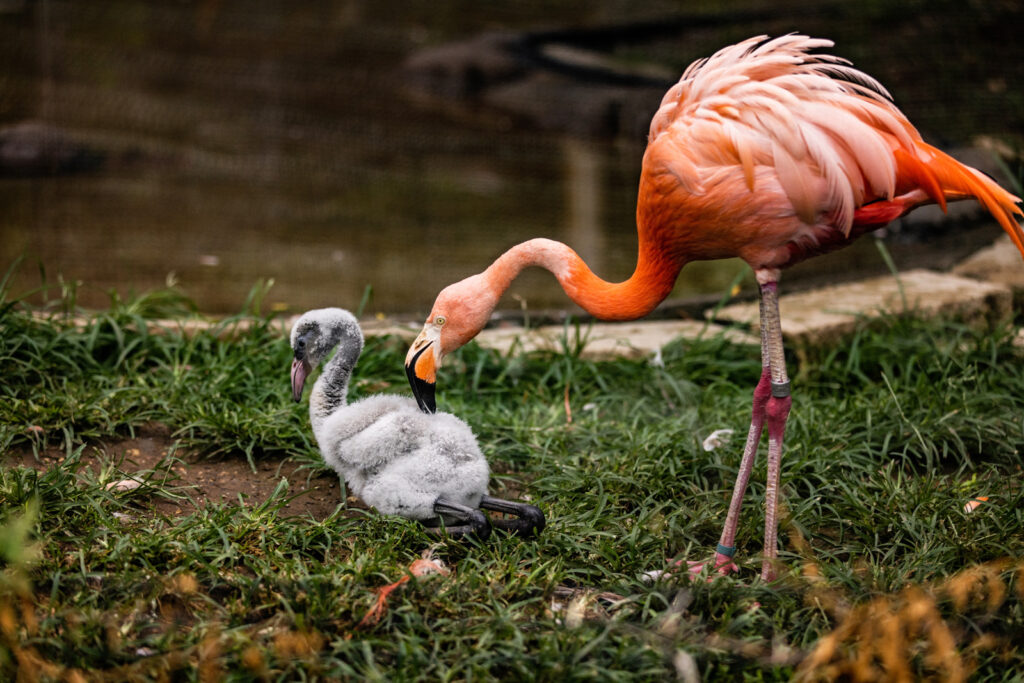
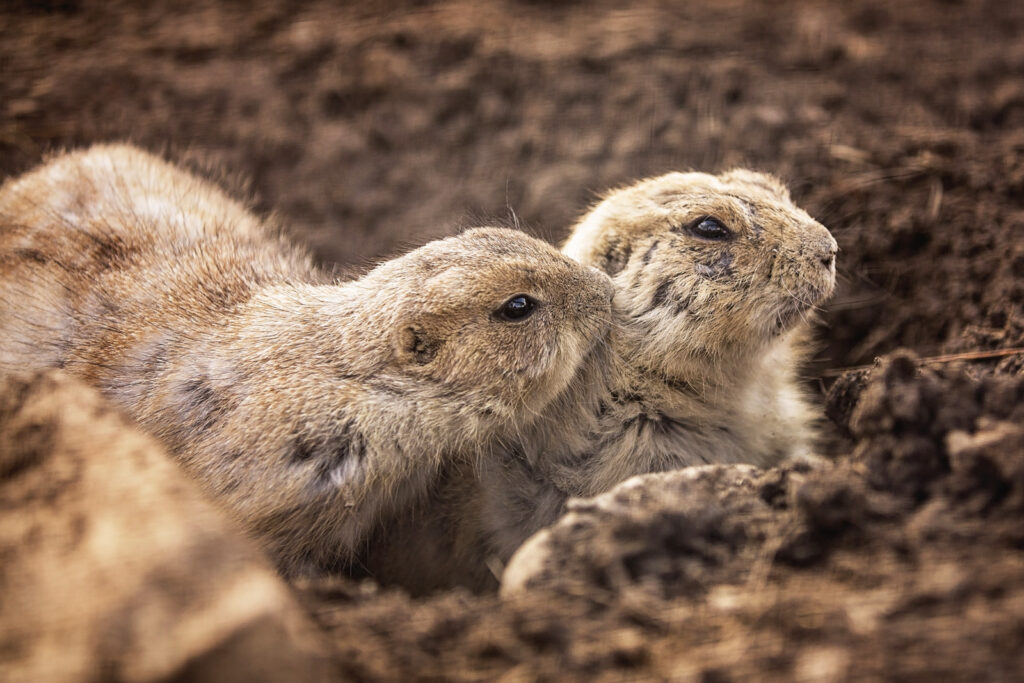
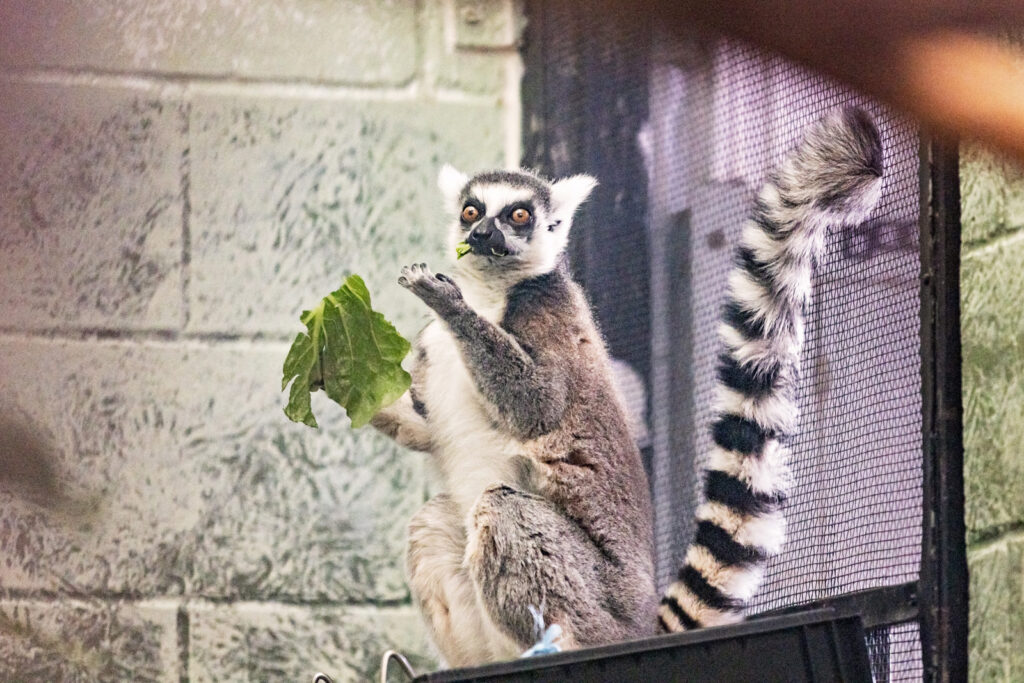
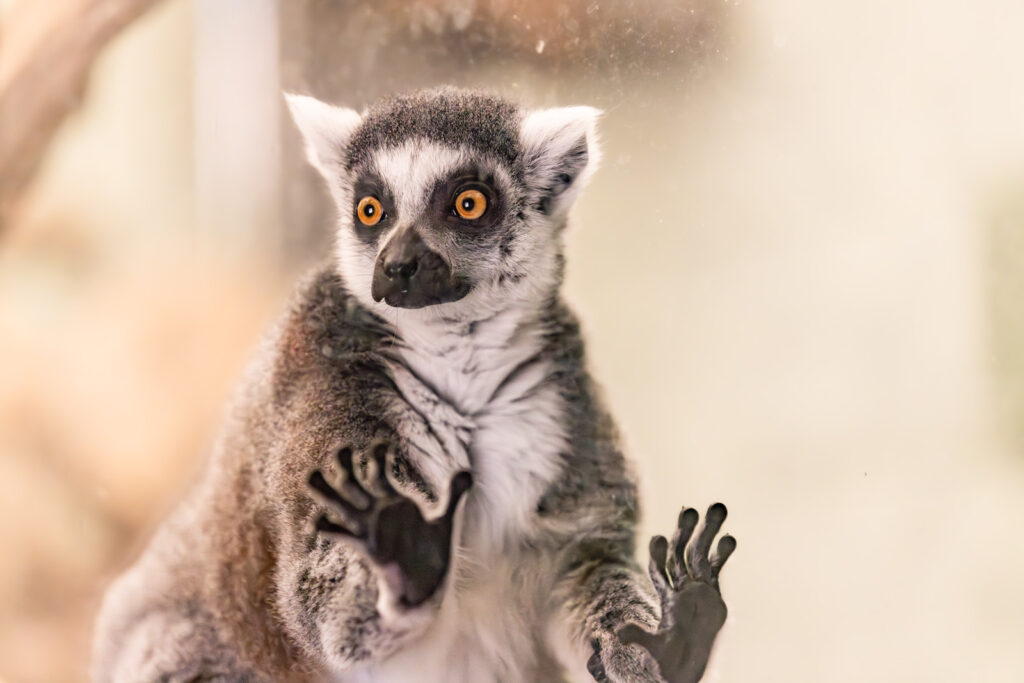
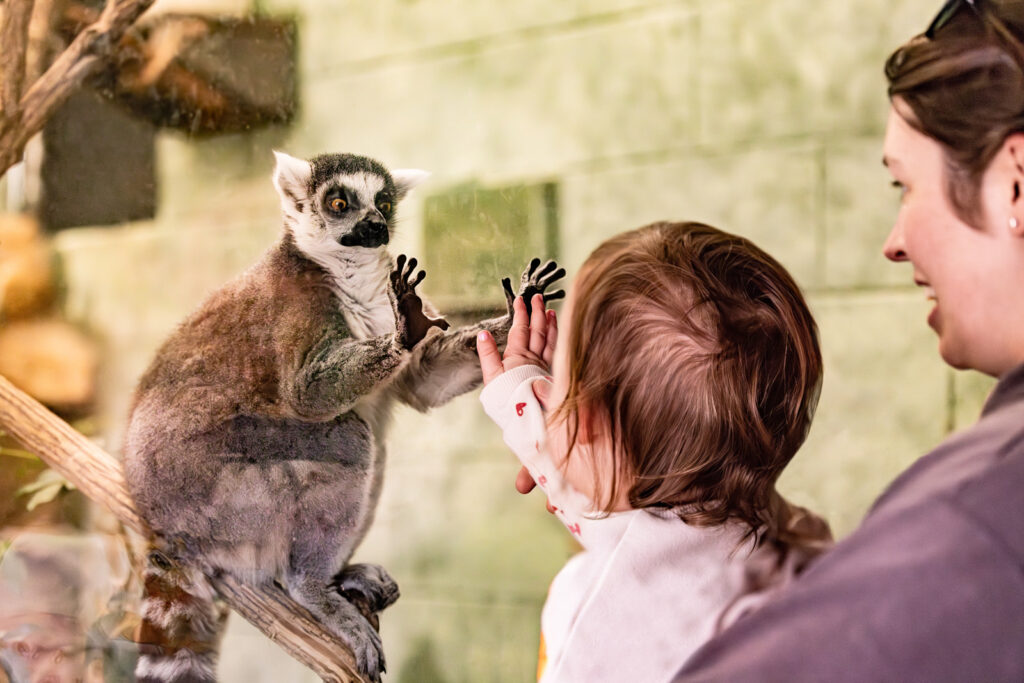
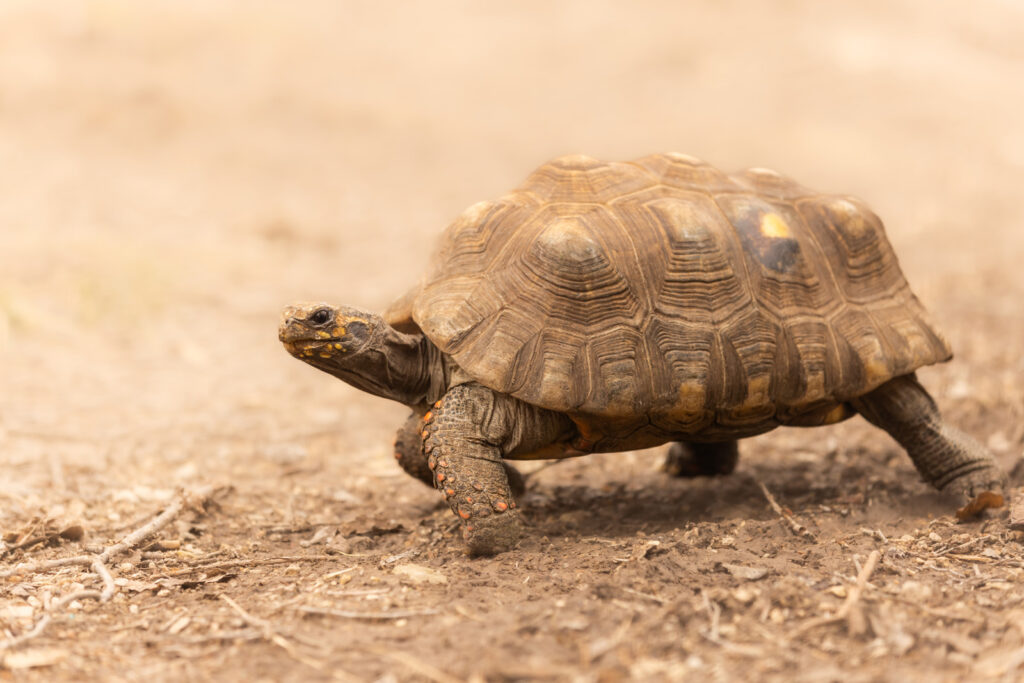
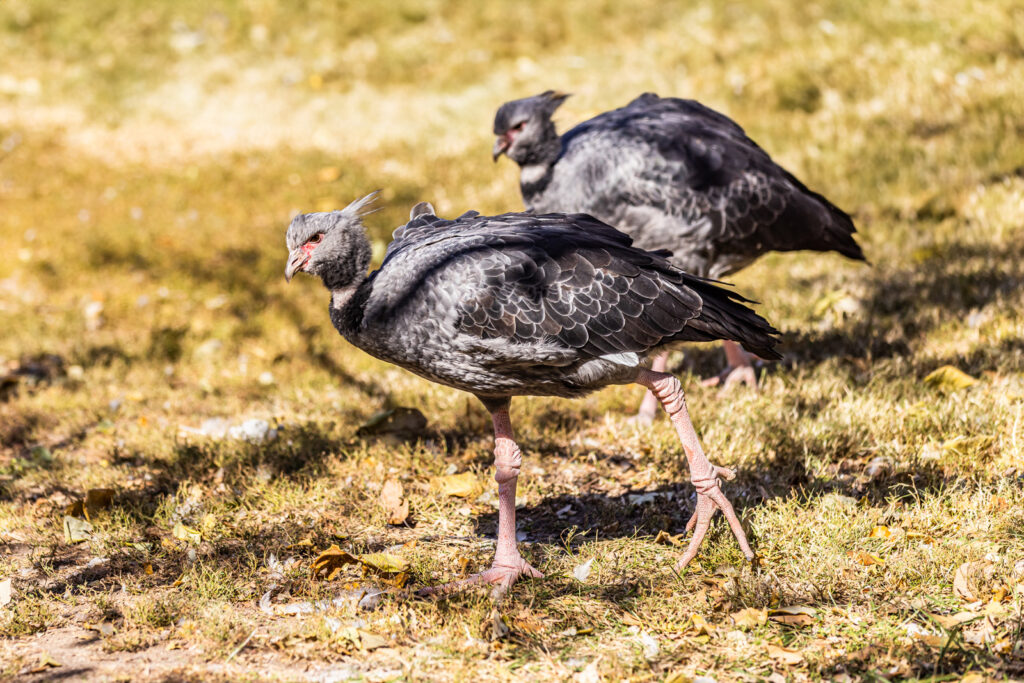
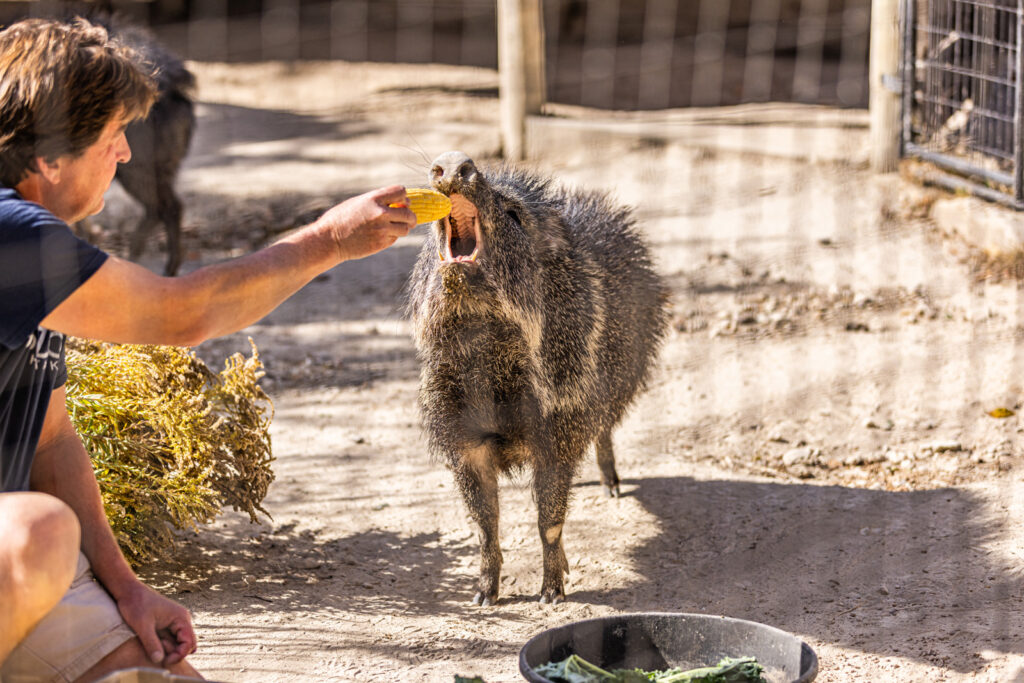
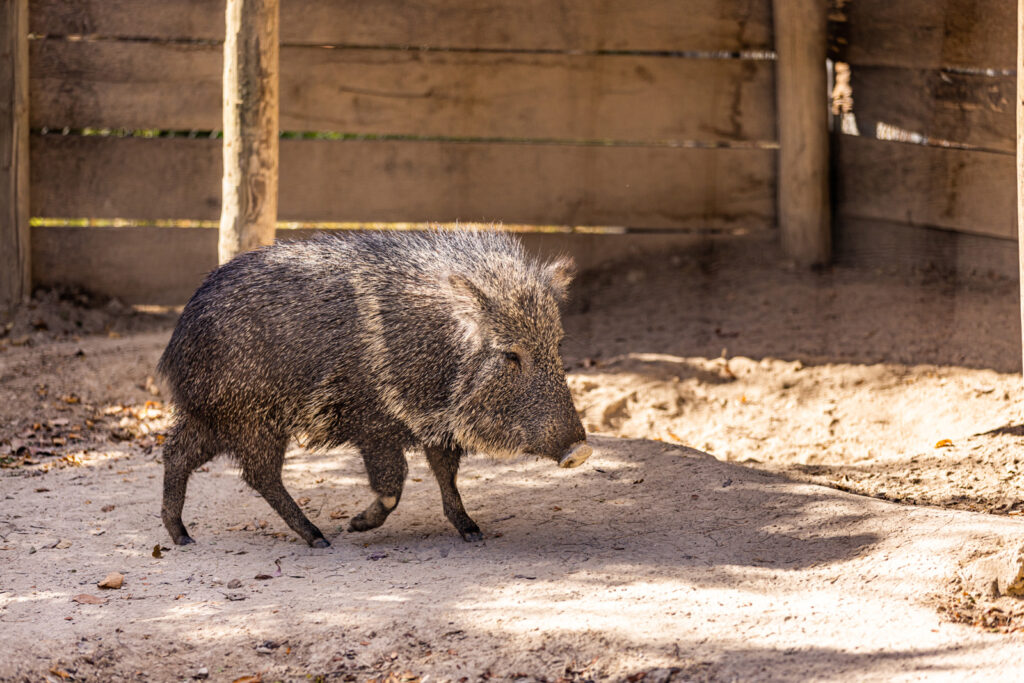
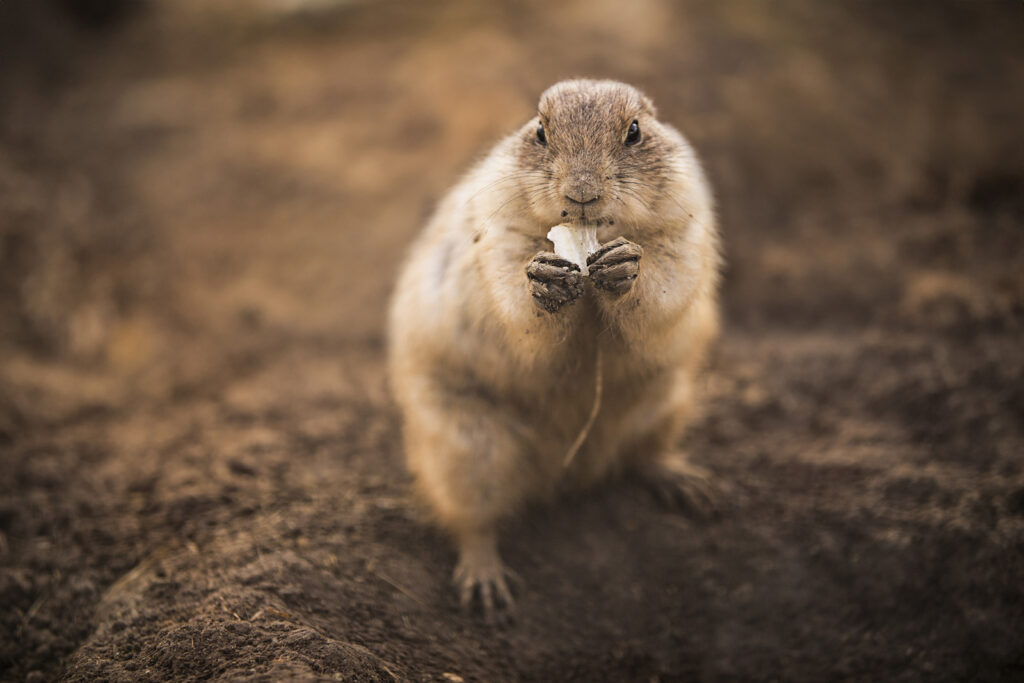
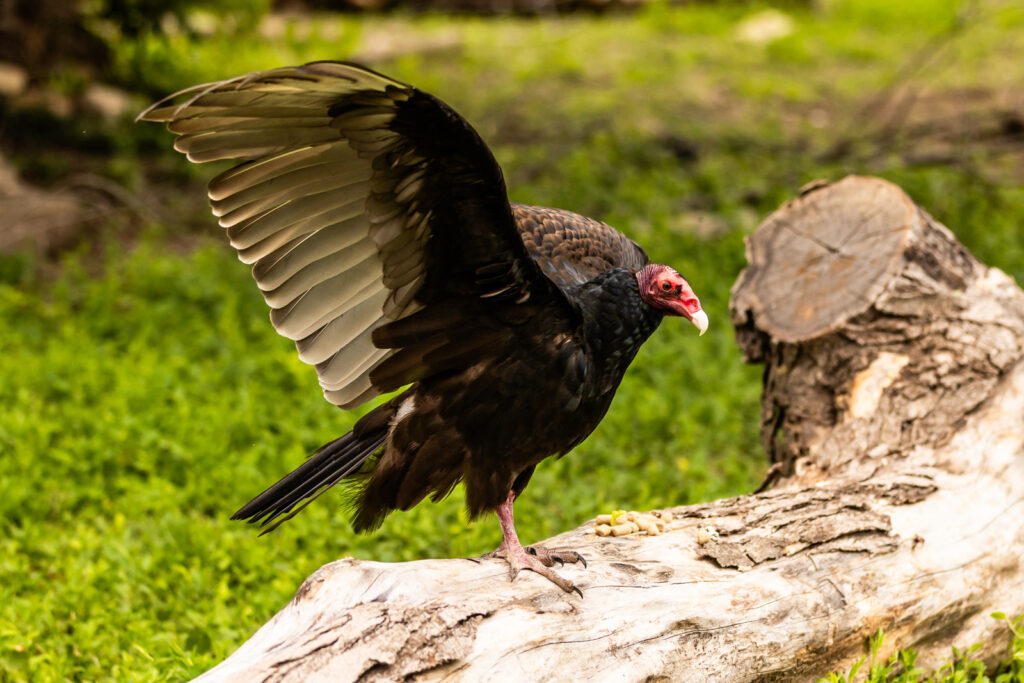
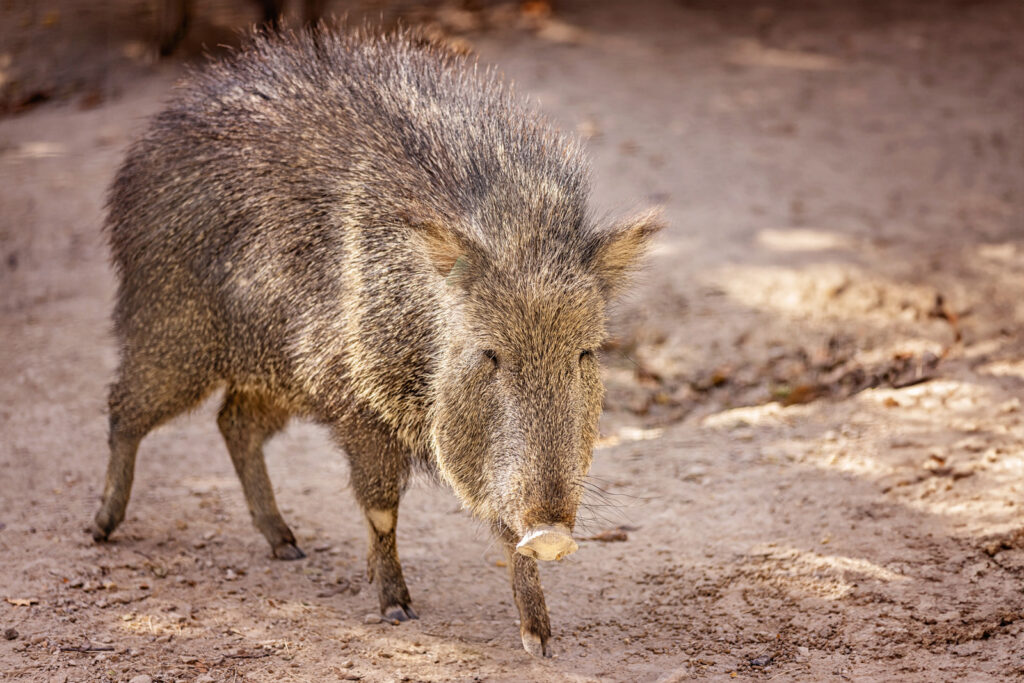
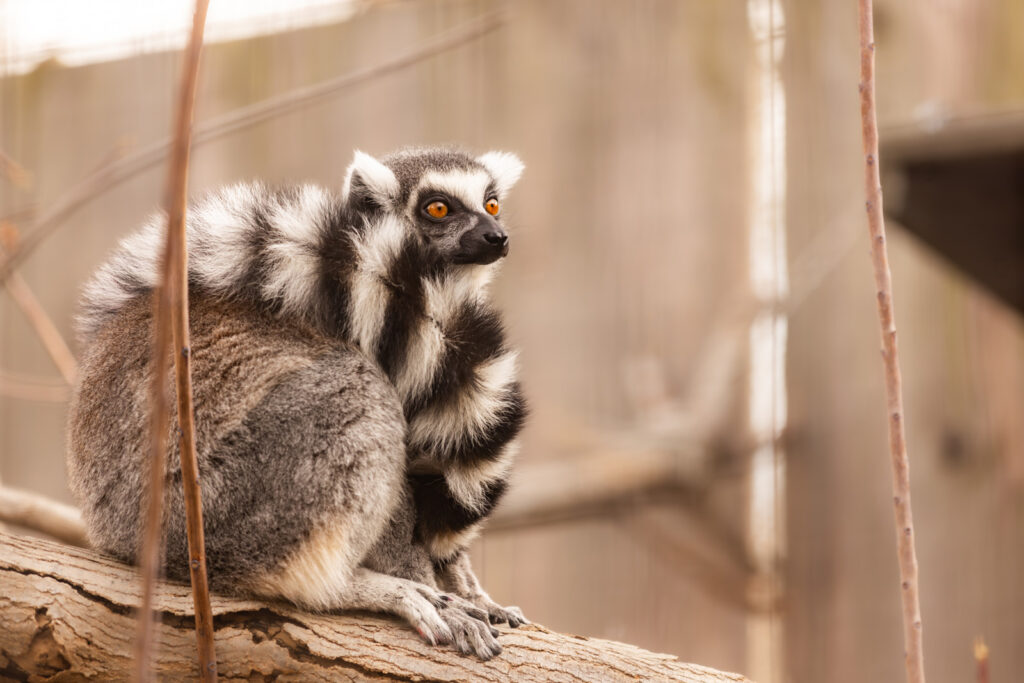
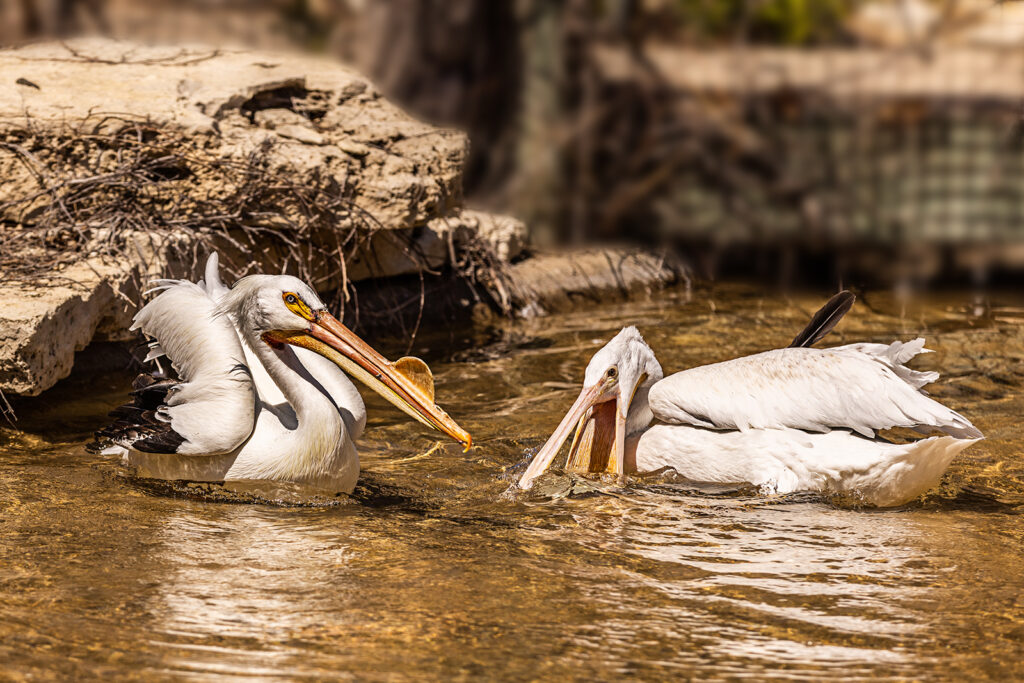
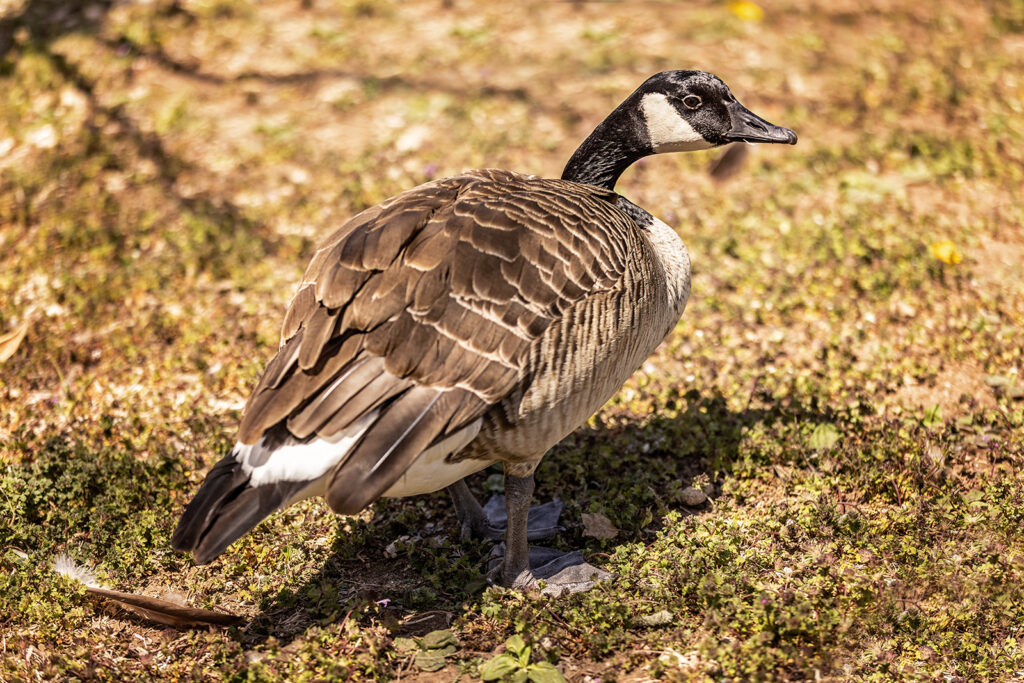
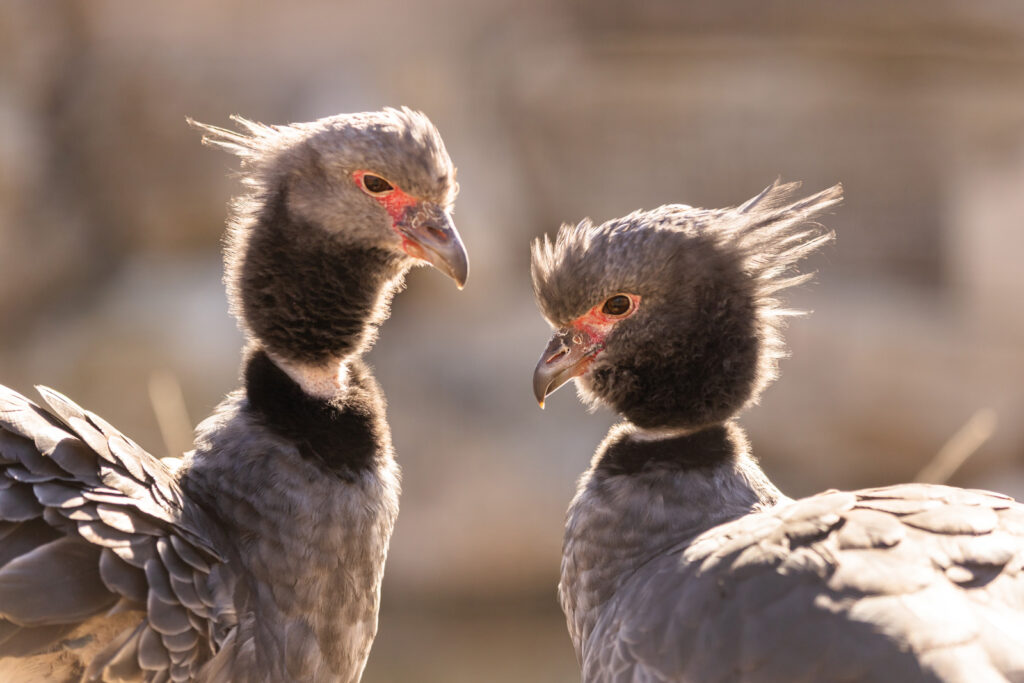
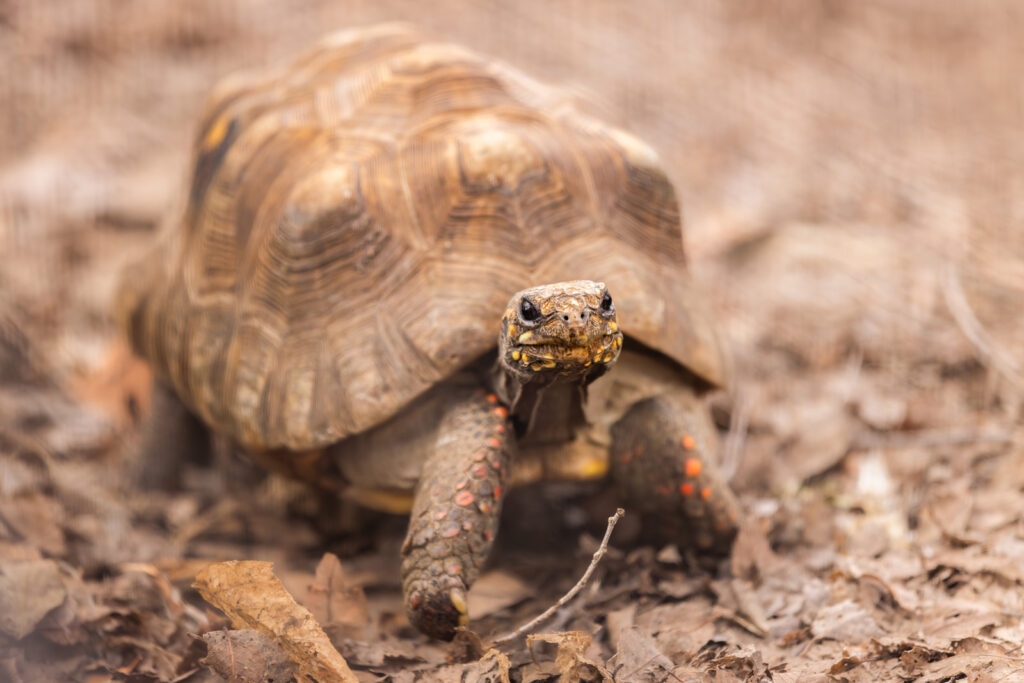
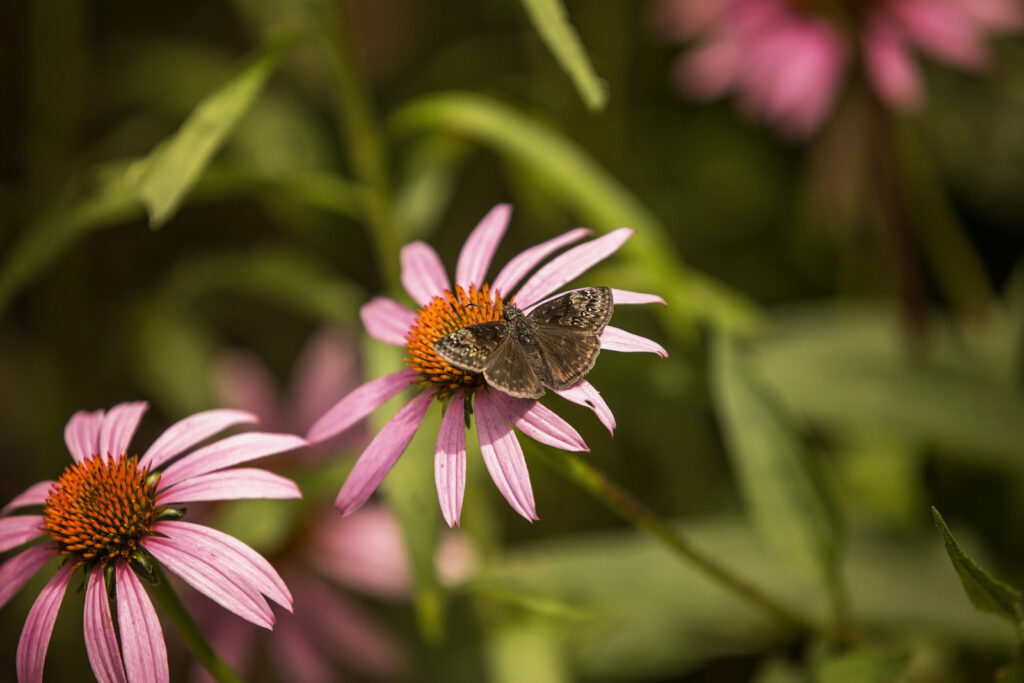
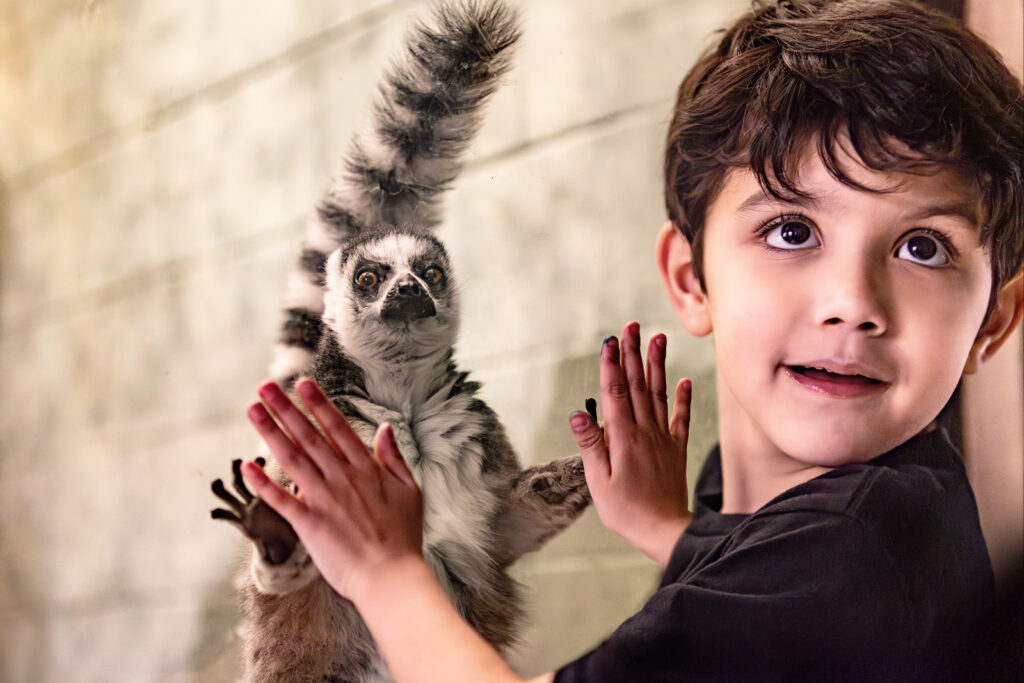
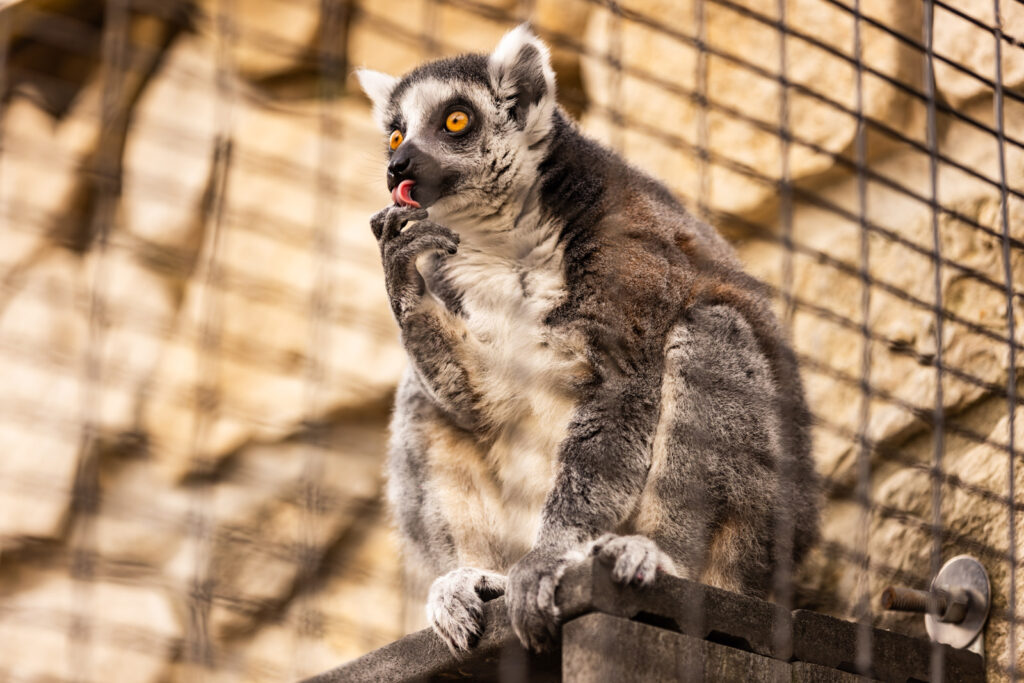
Also located on the American Trail are the Black-Tailed Prairie Dog, Turkey Vulture, Chacoan Peccaries, Ring-tailed Lemurs, Pelicans, Geese, and Crested Screamers, plus several impressive tortoises and the beautiful pollinator gardens.
Nature Exploration Center (N.E.C.)
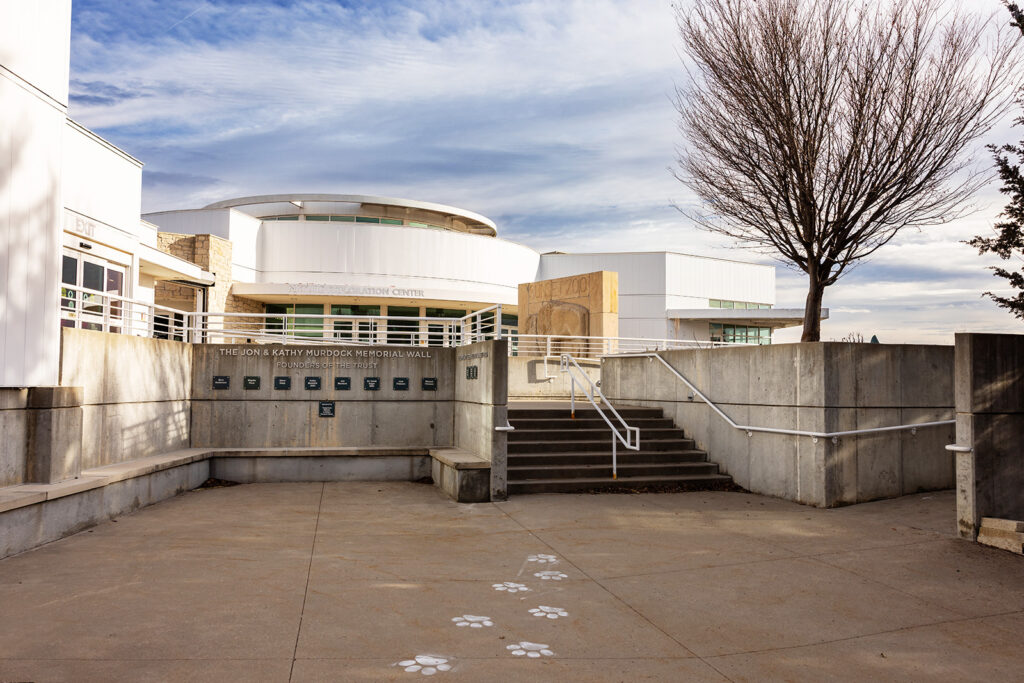
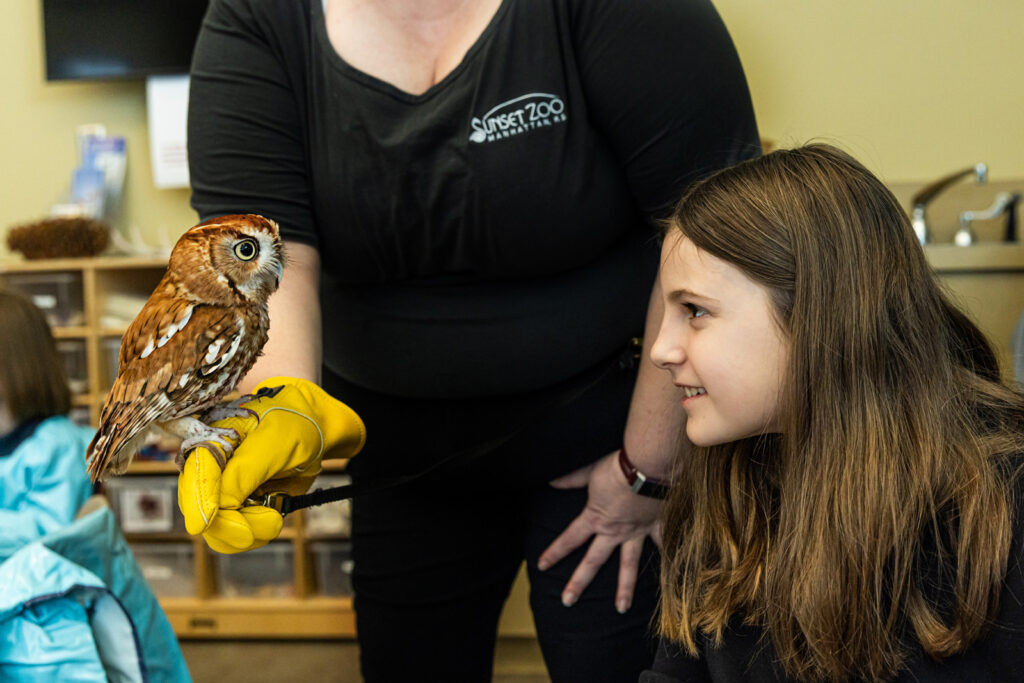
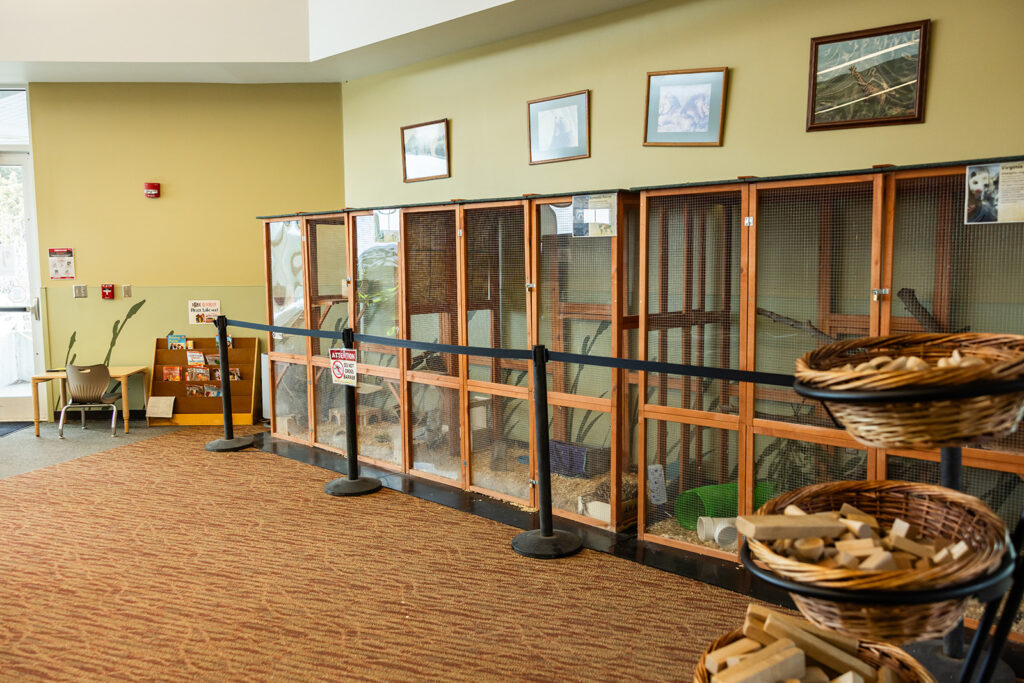
The Nature Exploration Center is a limestone-wrapped space that serves as a hub for events and indoor experiences. It’s a visually appealing setting on its own, with natural light that complement close-up photography or candid environmental shots.




Photographic Opportunities and Tips
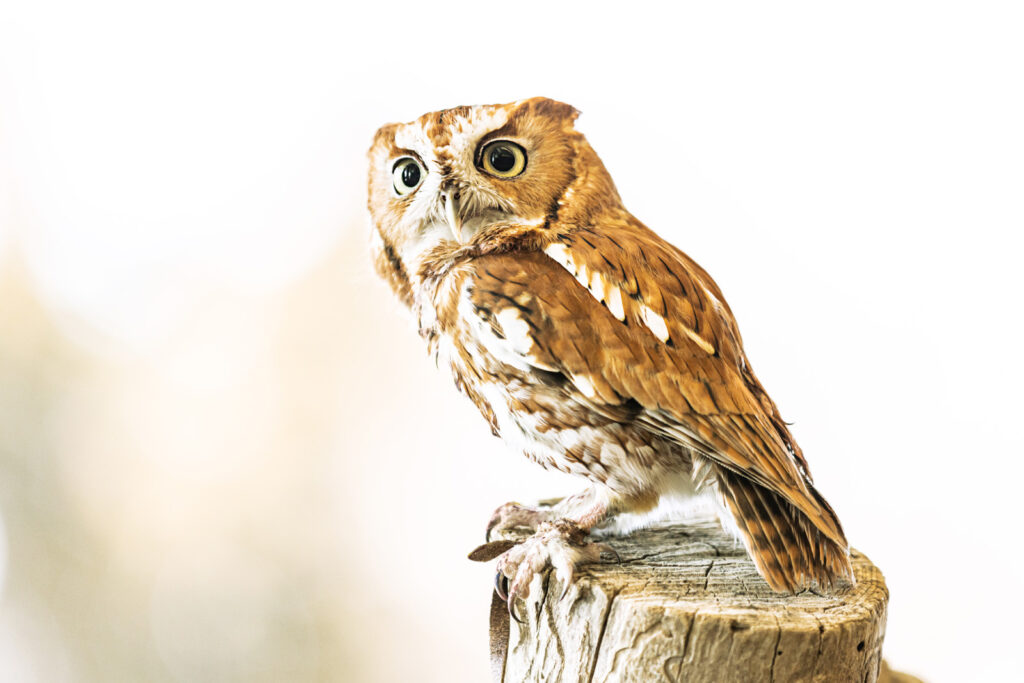
From wide scenic trails to intimate portraits of animal behavior, Sunset Zoo rewards photographers of all skill levels. Consider these guidelines and creative ideas:
1. Use Natural Light to Your Advantage
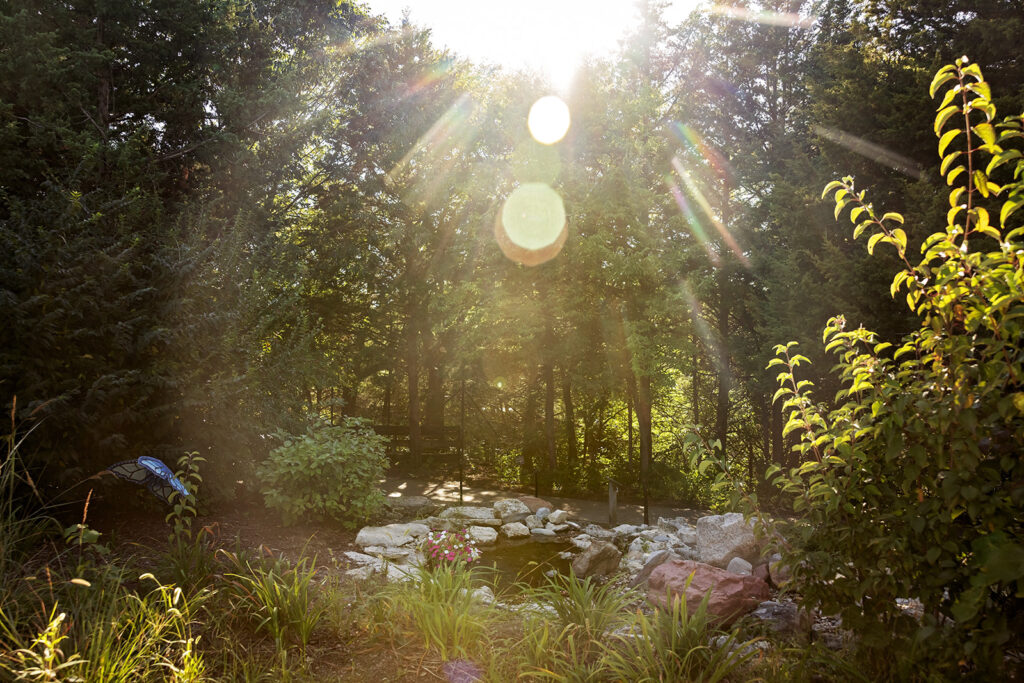
The zoo’s open-air habitats and hillside terrain mean light changes dramatically throughout the day. Midday sunlight is useful for vibrant colors and contrast. As the sun gets lower in the sky, look for that softer golden light for beautiful portraits and landscape photos.
2. Tell a Story With Your Shots
Capture moments of interaction, like a feeding station, a grooming session, an alert gaze, to give your photos narrative depth. Waiting quietly and observing animal behavior often yields richer visuals than constantly changing angles.
3. Consider Background and Context
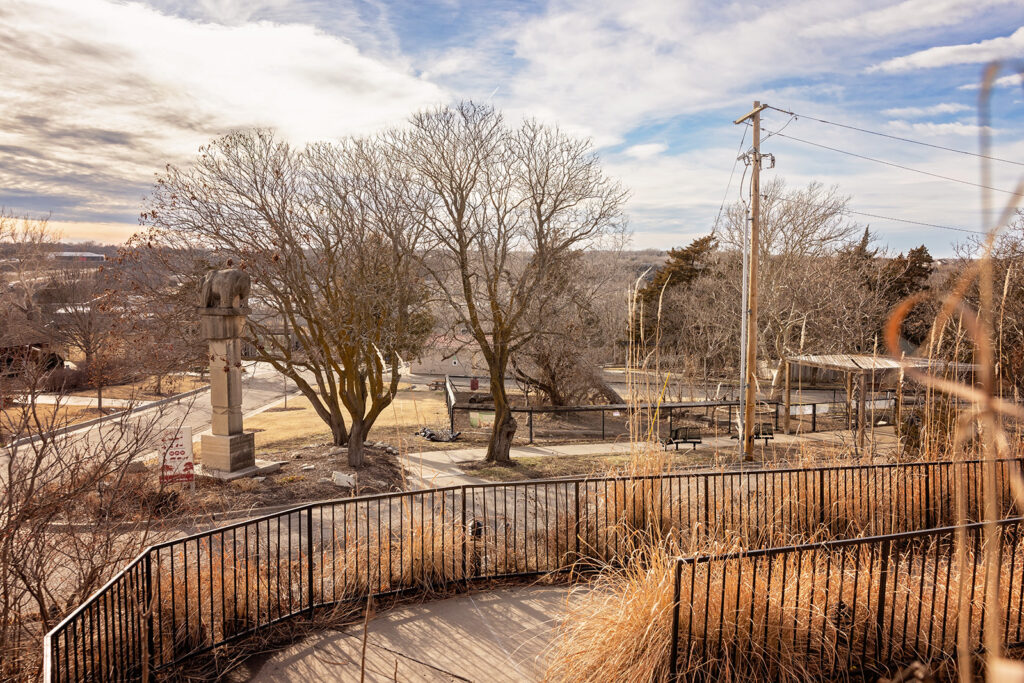
While close-up portraits are striking, don’t forget to place your subjects in their habitat context. Framing animals with foliage, naturalistic exhibit elements, or distant hills can lend a sense of environment and scale.
4. Mind Barriers and Reflections
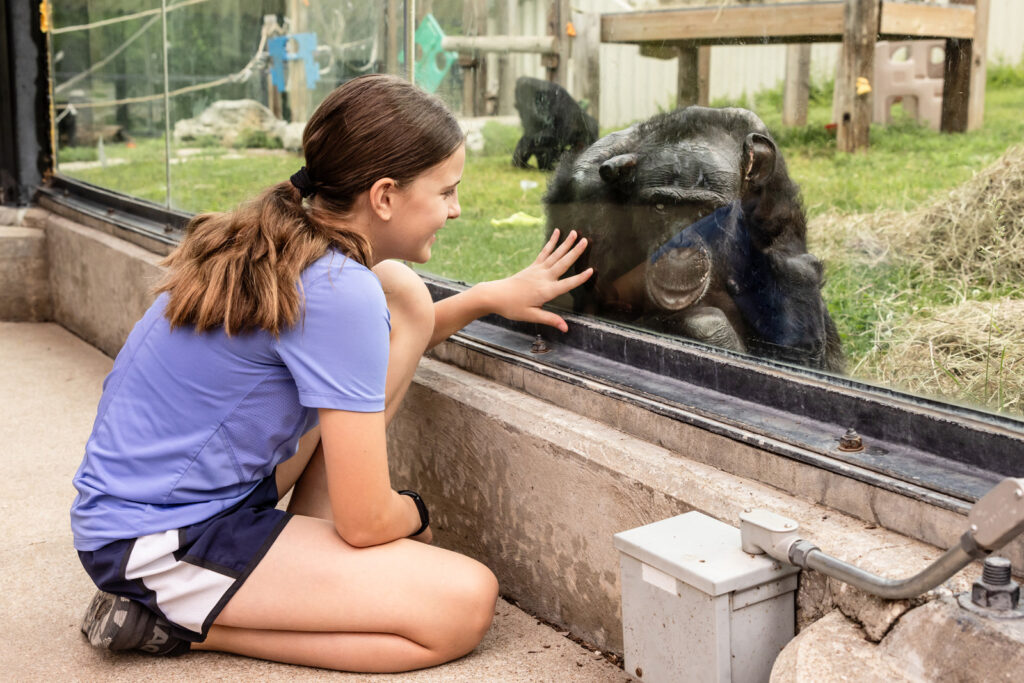
Many exhibits use glass or fencing for safety. When shooting through barriers, try to position your lens close to them and at a perpendicular angle. This will minimize glare and distortion from double-paned glass. Use the widest aperture that your lens allows (smaller f-stop) to help blur distracting elements in the foreground.
5. Embrace the Zoo’s Seasonal Character
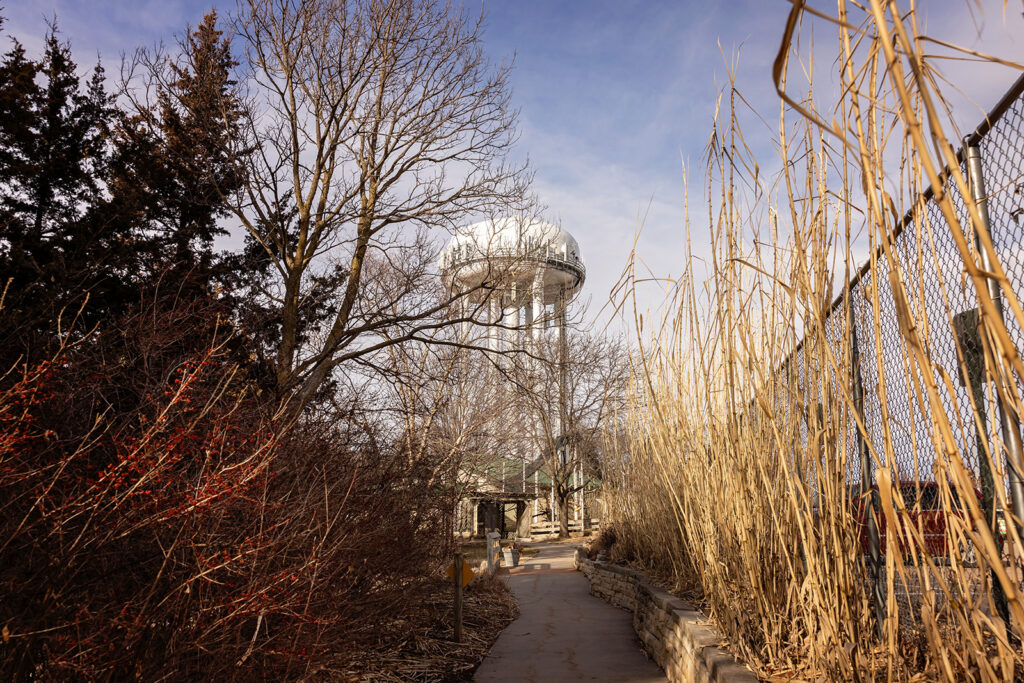
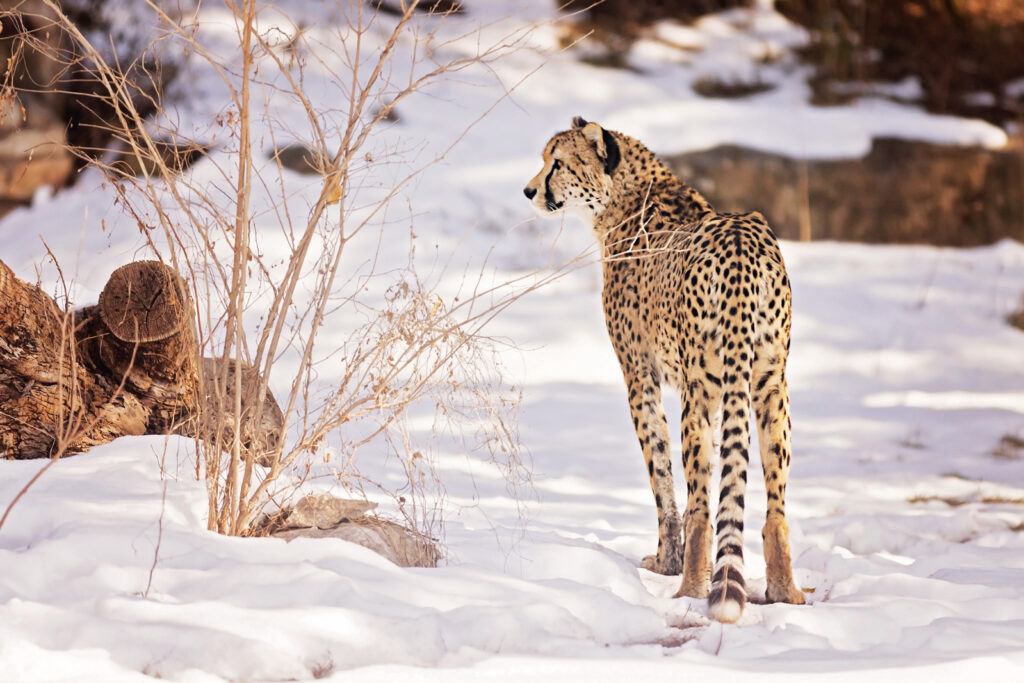
Each season brings something new. The lush greens of spring and summer, vibrant fall hues, or stark winter compositions with long shadows and architectural lines will have you planning zoo visits year round. Animals may alter their behavior and positioning with the weather, offering photographers varied subjects throughout the year, as well.
Special Experiences Worth Capturing
Sunset Zoo isn’t just a backdrop for wildlife. It is a place filled with events and educational programming that make great photographic moments:
- VIP and Animal Encounters: Pre-arranged encounters can offer rare close-ups with clear safety protocols in place.
- Seasonal Fundraisers: Events such as Brew at the Zoo or Wine in the Wild combine social moments with wildlife settings.
- Family and Community Programs: Activities like “Painting With the Animals” offer unique candid shots of visitors engaged with art and animals. You might be lucky enough to witness the zoo animals painting their own masterpieces. Stop by the Gift Store on your way out for an opportunity to purchase your very own Zoocasso Artwork!


Final Thoughts
For photographers, Sunset Zoo is a treasure trove of visual possibilities, from dramatic animal portraits to sweeping landscape compositions. Whether you’re chasing golden hour light or capturing a curious gaze from a beloved furry resident, it’s a place where every visit holds potential for a compelling image and an inspiring narrative.